
Aquatic Products and Fish Exports from Iran to Asian Countries
Abstract
Iran’s aquaculture industry and seafood exports have experienced remarkable growth in recent years. In the Persian calendar year 1403 (ending March 2025), Iran’s seafood exports grew by 29% in volume and 17% in value, reaching 196,000 tons worth $372 million. This report examines the role of aquatic products in Iran’s economy, analyzes target markets in Asia, and provides a practical operational roadmap for Iranian exporters.

1. Strategic Importance of Iran’s Aquatic Industry

1-1. Role in the Non-Oil Economy
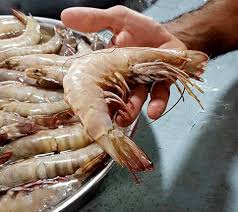
The aquatic industry is considered one of the key pillars of diversifying Iran’s non-oil economy. In 2023, Iran’s agricultural exports exceeded $5.2 billion, with seafood accounting for a significant portion of this sector. Shrimp, as a strategic product, exported over 37,000 tons in 2022, accounting for nearly 21% of the country’s total seafood exports and generating more than $180 million in foreign currency revenue.
1-2. Production Growth Trends
Iran’s farmed shrimp production is projected to reach 50,000 tons this year, showing a 20% growth compared to 40,000 tons in 2024. The total area of shrimp farming operations has expanded to over 16,000 hectares, with the provinces of Hormozgan, Bushehr, and Golestan recognized as the main production hubs.
Iran’s Fisheries Organization has set a long-term goal of achieving $1 billion in annual seafood export revenue and increasing total production to 2.6 million tons.
2. Analysis of Target Asian Markets
2-1. China: The Largest and Most Important Market
With a trade value of approximately $6,000 billion, China is the world’s largest seafood market. The country accounts for more than 50% of Iran’s shrimp exports.
Key China Market Indicators
Direct exports from Iran to China increased from 2,852 tons in 2019 to 3,435 tons in 2023. Additionally, exports of unconventional fish species (such as ribbonfish, moray eel, and squid) increased from 1,000 tons in 2019 to 32,500 tons, indicating successful diversification of the export portfolio.
2-2. Other Asian Markets
Based on comparative advantage and market risk indicators, the priority ranking of target markets for Iranian shrimp is as follows:
Neighboring countries including Iraq, UAE, Uzbekistan, Kuwait, Azerbaijan, Armenia, Turkey, Oman, Turkmenistan, Qatar, and Afghanistan collectively received 134,700 tons of Iran’s seafood exports, accounting for 48% of total exports.
2-3. Caviar: A High Value-Added Product
Iran’s caviar exports in the year ending March 2026 reached approximately $8 million, showing significant growth compared to $3.188 million in 2023, despite logistical disruptions caused by sanctions. Export volume during the 10-month period ending January 2026 reached 7,130 kg, representing a 14% growth compared to the previous year.

3. Main Challenges of Seafood Exports to Asia

Based on a comprehensive study of 36 factors affecting the development of shrimp exports to China, the most important identified obstacles are:
3-1. Banking and Financial Barriers (Top Priority)
– **Limited access to international banking services**: The most significant identified barrier
– **Restrictions on currency transfer for input procurement and capital repatriation**: The second most important barrier
– Chinese companies continue to refrain from transparent financial cooperation with Iran due to sanctions conditions
3-2. Weakness in Branding and Marketing (Third Priority)
– **Weak branding**: The third most important identified barrier
– **Low competitiveness of Iranian exporters in the Chinese market**
– **Lack of marketing knowledge**
– **Absence of an export consortium in the Chinese market**
3-3. Structural and Operational Barriers
– Misalignment between production and export strategies
– Limited financial and operational capacity of exporters
– Lack of coordination among export-related government bodies
– Exchange rate fluctuations
3-4. Logistical Challenges
– Dependence on direct air routes for sensitive products such as caviar
– Disruptions caused by flight suspensions and geopolitical tensions
4. Operational Roadmap for Iranian Exporters
Step One: Focus on Market Priorities
Based on comparative advantage and risk indicators, Asian markets are divided into four categories:
1. **Golden Markets (Low Risk, High Advantage)**: Hong Kong, UAE, Malaysia
2. **Strategic Markets**: China, Russia, Qatar
3. **Emerging Markets**: Vietnam, Thailand, Singapore, South Korea, Japan
4. **Neighboring Markets**: Iraq, Uzbekistan, Kuwait, Turkey, Oman
**Recommendation**: Exporters should adopt a step-by-step approach, starting with low-risk markets and gradually entering larger markets.
Step Two: Establish an Export Consortium
The formation of an Iranian Seafood Export Consortium is essential with the following objectives:
– Offering products under a unified brand with consistent quality
– Reducing individual marketing costs
– Increasing bargaining power in negotiations with foreign buyers
– Facilitating company registration in customs systems of target countries
Step Three: Strengthen Branding and Marketing
– **Production under a shared brand**: Creating a unified identity for Iranian seafood products in Asian markets
– **Participation in specialized exhibitions**: Planning for participation in 10 specialized international exhibitions in target countries
– **Digital marketing**: Establishing online platforms for direct product introduction to Asian buyers
Step Four: Manage Currency and Financial Risk
– **Diversification of financial channels**: Utilizing alternative financial corridors, such as cooperation with third-country banks
– **Leveraging BRICS capacity**: With Iran’s membership in BRICS, access to financial resources from the New Development Bank (NDB) for investment in aquaculture infrastructure has become available
– **Negotiating bilateral currency agreements**: Engaging with target countries to facilitate currency exchanges
Step Five: Develop Production and Processing Infrastructure
– **Farm modernization**: Implementing smart feeding and water monitoring systems
– **Packaging industry development**: Investing in advanced processing and packaging units
– **Increasing production**: Targeting a 20% increase in fish and shrimp farming capacity through modernization of existing farms and construction of new complexes in southern provinces
Step Six: Upgrade Standards and Traceability
– **Implementing traceability systems**: To comply with stringent health standards in China and other Asian markets
– **Obtaining international certifications**: Such as ISO, HACCP, and environmental certifications
– **Compliance with quarantine standards**: Utilizing existing memoranda of understanding between Iran’s Veterinary Organization and target countries
Step Seven: Manage Logistical Risk
– **Diversification of transport routes**: Reducing dependence on direct air routes through alternative land and sea corridors
– **Establishing distribution centers in third countries**: Using the UAE or Turkey as redistribution hubs
– **Investment in the cold chain**: Ensuring product quality preservation throughout the transport route
Policy Recommendations for the Government
Based on research findings, the government can play an effective role in developing seafood exports through the following measures:
1. **Financial support for producers**: Providing low-interest facilities for farm modernization and processing equipment
2. **Improving international relations**: Facilitating banking and trade negotiations with target countries
3. **Customs regulation reform**: Reducing administrative procedures and streamlining export processes
4. **Supporting research and development**: Allocating 60% of public R&D budget to fisheries and marine technology sectors
5. **Developing economic diplomacy**: Organizing specialized exhibitions and trade delegations to Asian countries
Conclusion
Iran’s aquatic industry, despite sanctions and structural challenges, has significant potential to become one of the main pillars of non-oil exports. Asian markets—especially China, the UAE, Russia, and Southeast Asian countries—offer unique opportunities for expanding Iran’s seafood exports.
Success in this endeavor requires a systematic and coordinated approach including: establishing an export consortium, strengthening branding, managing financial and currency risks, developing production and processing infrastructure, and upgrading quality standards. By implementing this roadmap, Iran can significantly increase its share in the large and growing Asian seafood market and achieve the $1 billion revenue target.
For more info call us in our websites
Nonadshop.com

Parvisico.com


بدون دیدگاه