

Salmon-Dependent Food Industries
Abstract
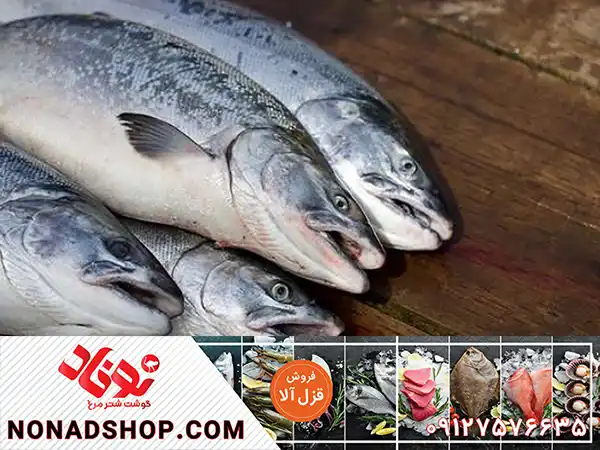
In recent decades, salmon has transformed from a luxury product into one of the main pillars of the global seafood industry. This transformation is owed to the remarkable growth of aquaculture, the development of processing technologies, and changes in consumer preferences toward foods rich in protein and omega-3. This article provides a comprehensive review of salmon-dependent food industries, from the supply chain and farming to processing, packaging, distribution, and environmental challenges.
1. Introduction
The salmon industry is today considered one of the most important and dynamic sectors of the global food industry. The global market value of salmon in 2025 is estimated at about $15 billion and is projected to reach $19 billion by 2032, representing a compound annual growth rate of 3.4%. This growth is due to factors such as increased consumer awareness of salmon’s health benefits, innovation in processed products, and the expansion of global supply chains.
2. The Salmon Value Chain: From Farm to Table
2.1. Farming and Aquaculture
Salmon farming is a complex, multi-stage process that begins with egg production in freshwater, continues with the rearing of smolt, and ultimately culminates in grow-out in marine cages. Norway, as a leader in this industry, has seen the share of aquaculture grow from about 0.5% of GDP in 2012 to about 1.5% in recent years, with the value added of the sector increasing from NOK 8 billion to NOK 47 billion.
2.2. Processing and Production of Value-Added Products
Salmon processing covers a wide range of products: from fresh and frozen fillets to smoked, marinated, canned, and ready-to-eat products. Companies such as Iceland Seafood buy fresh whole salmon from farmers, process it according to customer needs, and turn it into smoked, marinated, and frozen products.
2.3. Packaging and Preservation Technologies
Appropriate packaging plays a vital role in preserving salmon quality. Technologies such as modified atmosphere packaging (MAP), vacuum packaging, and soluble gas stabilization (SGS) are among the innovative methods for increasing shelf life and maintaining product quality. In the SGS method, salmon fillets are exposed to 100% carbon dioxide for 18 hours to extend their shelf life.
2.4. Distribution and Cold Chain
The salmon supply chain is heavily dependent on cold logistics. Fresh salmon fillets are usually packed in EPS boxes with ice to maintain the product’s core temperature between 0 and +2°C. International collaborations such as Mowi’s partnership with CP AXTRA in Thailand are an example of creating an integrated supply chain from farm to retail.

Key Industry Players
3.1. Major Producers
Norway, with companies such as Mowi, SalMar, and Lerّy Seafood Group, is the world’s largest producer of Atlantic salmon. SalMar, as the world’s second-largest producer, has based its strategy on reducing waste, modern technology, and expansion into specialized markets. In Chile, companies such as Blumar and Salmones Blumar are active in the production of Atlantic and coho salmon.
3.2. Processing and Distribution Companies
Companies such as Iceland Seafood, with brands such as Oceanpath and Ahumados Dominguez, are present throughout the salmon value chain and supply their products to retailers, the food service sector (HORECA), and end consumers.
4. Global Market and Consumption Trends
4.1. Market Size and Growth Forecast
The global salmon market is growing steadily. According to various reports, the market value will rise from about $15 billion in 2025 to $19 billion by 2032. Some reports even forecast faster growth, estimating the market value at about $48.96 billion by 2034, with a compound growth rate of 9.6%.
4.2. Consumer Preferences
Today’s consumers have turned to salmon for health reasons. Salmon is known as a rich source of omega-3, high-quality protein, and vitamins, and demand for it is increasing, especially among millennials and Generation Z. A major part of this demand relates to fresh and chilled salmon, which is used in sushi, sashimi, and grilled dishes.
4.3. Innovative Products
The salmon industry is witnessing significant product innovations. For example, Blumar has produced an innovative product from salmon paste (processing leftovers) that is processed into tempura strips and offered in recyclable packaging. This product won third place at the Latin American Seafood Innovation Exhibition in 2025.
5. By-Products and Circular Economy
Salmon processing produces significant amounts of by-products: about 10% heads, 13% viscera, and 14% backbone and trimmings. The industry is moving toward the optimal use of this waste. For example, the dark meat along the lateral line that is removed during smoked salmon processing can be turned into a product such as omega-3-rich salmon jerky. This approach not only creates added economic value but also helps reduce waste and support environmental sustainability.
6. Sustainability and Environmental Challenges
6.1. Feed and Carbon Footprint
Feed is the main contributor to about 65% of the carbon footprint of salmon production. The salmon industry has traditionally relied on wild fishmeal and fish oil, which puts pressure on marine stocks. However, progress has been made: the use of fishmeal in salmon feed has decreased by 64%, and alternatives such as algal oil and plant proteins are being developed.
6.2. Sustainability Certifications
About 65% of the production of members of the Global Salmon Initiative (GSI) is certified by the Aquaculture Stewardship Council (ASC) standard, which is recognized as a global benchmark for environmental and social performance.
6.3. Health and Antibiotic Challenges
The aquaculture industry faces criticism regarding the use of antibiotics and chemicals. However, reports show that antibiotic use in some regions has decreased by up to 50%, and mortality has reached 15%.
7. Socio-Economic Impacts
The salmon industry has a significant impact on employment and the economy of coastal regions. In Norway, in 2022, 11,175 direct jobs were created in production, 8,500 jobs in processing and sales activities, and 38,000 jobs among suppliers and service providers, totaling 57,800 jobs across the entire industry. This employment is mainly dispersed in coastal communities, although as the value chain moves downstream, employment becomes concentrated in larger cities.
8. Conclusion and Future Outlook
Salmon-dependent food industries are at a turning point in their evolution. Growing demand for healthy and sustainable proteins, along with technological innovations in processing and packaging, provides significant opportunities for the development of this industry. However, sustainability challenges, especially dependence on wild fish feed and carbon footprint, require investment in sustainable alternatives and new technologies. The salmon industry will experience average annual growth of 3% between 2024 and 2029 and is expected to continue its growth path by focusing on transparency, traceability, and sustainability certifications.
For more info call us in…
Nonadshop.com

Parvisico.com



بدون دیدگاه