
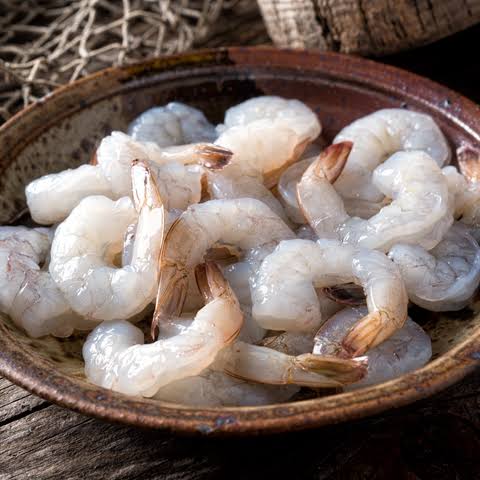
Shrimp aquaculture includes larval production and rearing in earthen ponds or super-intensive systems
New technologies such as recirculating aquaculture systems (RAS), water quality sensors, and automatic feeding systems have helped improve survival rates and reduce environmental footprint.
Processing and Value-Added Products
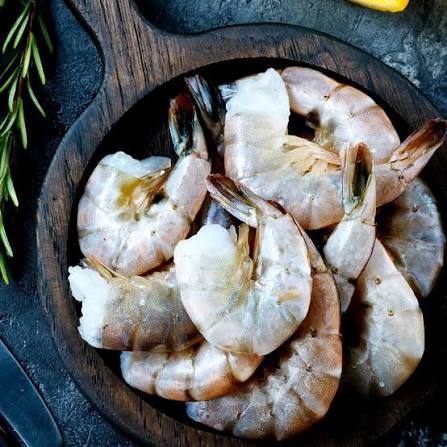
The shrimp processing industry offers a wide range of products: from frozen and peeled shrimp to ready-to-eat products such as breaded shrimp, tempura, and marinated shrimp. Leading companies such as Thai Union Group, CP Foods, and Minh Phu Seafood are moving toward higher value-added products.
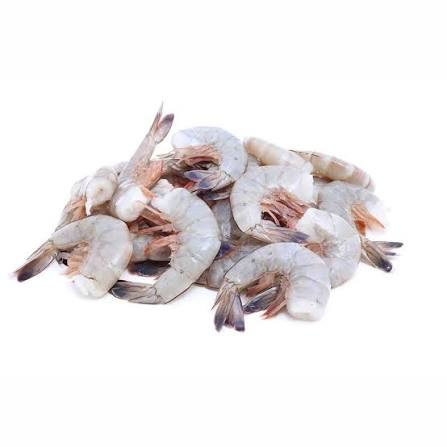
Packaging and Cold Chain
The shrimp supply chain is heavily dependent on cold logistics. Frozen shrimp is classified under HS code 030617, and processed or canned shrimp under HS code 160521. The use of vacuum packaging and modified atmosphere packaging helps preserve quality and extend product shelf life.
6. Circular Economy and By-Products
6.1. Processing Waste as a Source of Value
About 40–50% of shrimp weight is separated as waste during processing—heads, shells, and other residues that were traditionally treated as a disposal problem. More than 800,000 tons of residual material from farmed shrimp processing are produced globally each year, rich in protein, minerals, carotenoids, and chitin.
6.2. Innovative Applications
These materials are now being converted into high-value products:
· Shrimp powder: as a high-quality raw material in aquafeed with high digestibility and palatability
· Hydrolyzed shrimp protein: peptides and amino acids with high bioavailability that improve feed absorption
· Chitin and chitosan: used in biodegradable packaging, water treatment, and pharmaceuticals
· Pet food: hydrolysates as functional nutrition and natural flavoring
The report “100% Shrimp: Full Utilization,” published by the Global Shrimp Forum, shows how the shrimp industry can eliminate waste by converting processing by-products into high-value inputs for feed, dietary supplements, and other downstream applications.
7. Sustainability and Environmental Challenges
7.1. Carbon Footprint and Feed
Feed and farm energy have been identified as critical hotspots in the shrimp industry’s life cycle assessment (LCA). The shrimp industry can improve its environmental performance by replacing fishmeal and soybean meal in feed with more sustainable options.
. Integrated Multi-Trophic Aquaculture (IMTA)
Integrated multi-trophic aquaculture (IMTA) has been proposed as an alternative to traditional shrimp farming. This system can remove excess nutrients, balance nutrient levels, and reduce farm carbon emissions. Economically, IMTA also increases farmers’ profits compared with traditional production systems.
7.3. Deforestation and Pollution
The shrimp industry faces criticism regarding the reduction of mangrove forests, freshwater consumption, and pollution from farm effluent. The accumulation of uneaten feed and shrimp metabolic waste in water leads to increased concentrations of dissolved nitrogen and phosphorus.
8. Socio-Economic Impacts
8.1. Employment and Livelihoods
The shrimp industry supports livelihoods, food security, and economic growth in more than 40 producing countries. In Cameroon, the shrimp value chain is worth more than USD 30 million annually and employs about 1,800 people—mainly young people.
8.2. Skills Development Programs
In the Philippines, a joint initiative between the government, industry, and the International Labour Organization (ILO) led to the training of 58 people (including 38 women) in a 90-day skills apprenticeship program. These trainees helped double shrimp production from 50 to 100 tons, and 24 of them were hired as regular employees.
9. Consumption Trends and Product Innovation
9.1. Ready-to-Eat Products
Demand for value-added and ready-to-cook products such as cooked shrimp is increasing. Shrimp is now found in meal kits, frozen dinners, and pre-cooked meals. Innovative products such as shrimp burgers have also entered the market
for more info in export shrimp caLL US
in
nonadshop.com
parvisico.com


بدون دیدگاه