
Diseases That Threaten Iranian Caviar Production and the Measures Producers and Exporters Should Take to Protect Product Quality
Introduction
Iranian caviar is one of the country’s most valuable non-oil export products and is internationally recognized as a symbol of premium quality, authenticity, and excellence. As global demand for farmed sturgeon caviar continues to grow, maintaining the health of sturgeon stocks has become a critical factor in ensuring sustainable production and preserving Iran’s reputation in international markets.
Disease outbreaks in sturgeon farms can significantly reduce production, affect caviar quality, increase operational costs, and undermine the confidence of international buyers. Consequently, Iranian producers, traders, and exporters must adopt comprehensive health management strategies and preventive measures to safeguard product quality and maintain the competitiveness of Iranian caviar in global markets.
The Importance of Sturgeon Health in Caviar Exports
The quality of caviar is directly linked to the health and welfare of broodstock. Healthy sturgeon produce caviar with superior texture, flavor, appearance, and shelf life. In addition, many importing countries require exported caviar to comply with strict veterinary, food safety, and traceability standards.
Maintaining healthy fish populations is therefore one of the most important factors in achieving long-term export success.
Major Diseases Affecting Sturgeon
-
Bacterial Diseases
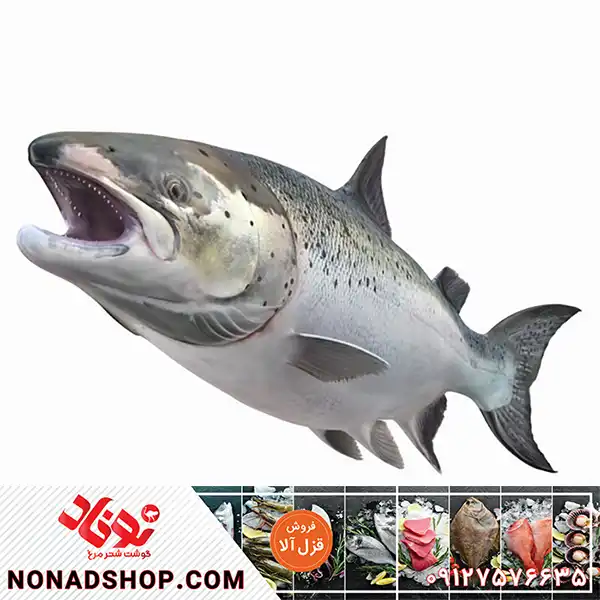
Bacterial infections are among the most common health problems in sturgeon aquaculture. They may cause skin ulcers, gill infections, internal hemorrhaging, reduced growth, and increased mortality. Poor water quality, excessive stocking density, and environmental stress can significantly increase the risk of bacterial outbreaks.
Preventive measures include:
-
Continuous monitoring of water quality.
-
Regular disinfection of equipment and facilities.
-
Maintaining appropriate stocking densities.
-
Quarantining newly introduced fish.
-
Implementing veterinary-supervised health management programs.
-
Fungal Diseases
Fungal infections typically develop after physical injuries or under poor environmental conditions. They can reduce fish health and negatively affect production performance.
Recommended preventive actions include:
-
Minimizing physical injuries during handling.
-
Maintaining optimal water quality.
-
Prompt removal of infected fish.
-
Routine sanitation of ponds, tanks, and equipment.
-
Parasitic Diseases

External and internal parasites can weaken fish, reduce growth rates, increase stress, and make sturgeon more susceptible to secondary infections.
Effective management strategies include:
-
Regular health inspections.
-
Monitoring incoming water sources.
-
Strict quarantine procedures.
-
Periodic laboratory testing.
-
Viral Diseases
Although viral diseases are less common, they can cause severe economic losses if introduced into aquaculture facilities. Because treatment options are limited, prevention remains the most effective strategy.
Key preventive measures include:
-
Purchasing juvenile fish only from certified hatcheries.
-
Implementing comprehensive biosecurity protocols.
-
Restricting unnecessary movement of people and equipment into production facilities.
-
Conducting regular health surveillance and diagnostic testing.
Environmental Factors Affecting Fish Health
Many health problems in sturgeon farming are associated with environmental conditions rather than infectious agents alone.
Critical environmental factors include:
-
Poor water quality.
-
Low dissolved oxygen levels.
-
Sudden temperature fluctuations.
-
Excessive stocking density.
-
Nutritional deficiencies.
-
Stress caused by handling and transportation.
Proper environmental management significantly reduces the likelihood of disease outbreaks.
The Role of Producers in Protecting Caviar Quality
Producers play the primary role in maintaining fish health and ensuring high-quality caviar production. Their responsibilities include:
-
Implementing comprehensive biosecurity programs.
-
Providing balanced, high-quality feed.
-
Monitoring water quality on a daily basis.
-
Maintaining detailed fish health records.
-
Working closely with aquatic animal health specialists and veterinarians.
-
Training farm personnel in disease prevention and hygiene practices.
-
Following internationally recognized production and processing standards.
These measures help minimize losses while preserving the premium quality of Iranian caviar.
The Role of Traders and Exporters in Maintaining Iran’s Export Reputation
The responsibility of traders extends beyond marketing and sales. They also play an important role in protecting the international reputation of Iranian caviar by sourcing products from reliable producers and ensuring quality throughout the supply chain.
Recommended practices for exporters include:
-
Partnering with certified and reputable aquaculture farms.
-
Verifying health records and product traceability.
-
Maintaining uninterrupted cold-chain logistics.
-
Using export-grade packaging that meets international standards.
-
Conducting independent laboratory testing before shipment when appropriate.
These practices increase buyer confidence and reduce commercial risks.
The Importance of Traceability and International Certification
Many international markets require complete documentation regarding product origin, fish health, processing methods, and food safety compliance.
Implementing traceability systems and obtaining internationally recognized certifications provide several important advantages:
-
Greater confidence among international buyers.
-
Easier access to premium export markets.
-
Lower risk of shipment rejection.
-
Stronger international brand recognition.
Traceability has become an essential requirement for competing in global luxury food markets.
Key Strategies for Reducing Disease Risks
To minimize disease-related risks and strengthen Iran’s caviar exports, the following practices should be prioritized:
-
Conduct routine health monitoring.
-
Continuously monitor water quality and nutrition.
-
Maintain strict biosecurity protocols.
-
Provide ongoing employee training.
-
Perform regular laboratory testing.
-
Implement comprehensive product traceability systems.
-
Follow international hygiene standards during processing, packaging, and transportation.
-
Encourage close cooperation among producers, veterinarians, researchers, processors, and exporters.
These integrated strategies improve production efficiency while protecting the long-term reputation of Iranian caviar.
Conclusion
The health of sturgeon is the foundation of producing premium-quality caviar and maintaining Iran’s leadership in international luxury seafood markets. Bacterial, fungal, parasitic, and viral diseases can significantly affect production efficiency, product quality, and export performance if not properly managed.
By implementing preventive health programs, maintaining high biosecurity standards, improving farm management practices, and ensuring strict quality control throughout the export supply chain, Iranian producers and exporters can substantially reduce disease risks. Continued investment in aquatic animal health, traceability systems, modern production technologies, and international quality standards will not only protect the reputation of Iranian caviar but also contribute to increased export revenues, stronger buyer confidence, sustainable aquaculture development, and the long-term growth of Iran’s non-oil export economy.
For more info and check our business sites check our web
Nonadshop.com


بدون دیدگاه