
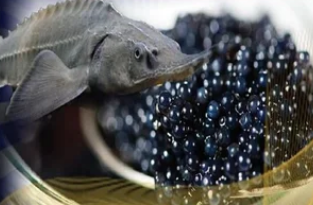
Characteristics and Principles of Beluga Sturgeon Farming in Saltwater
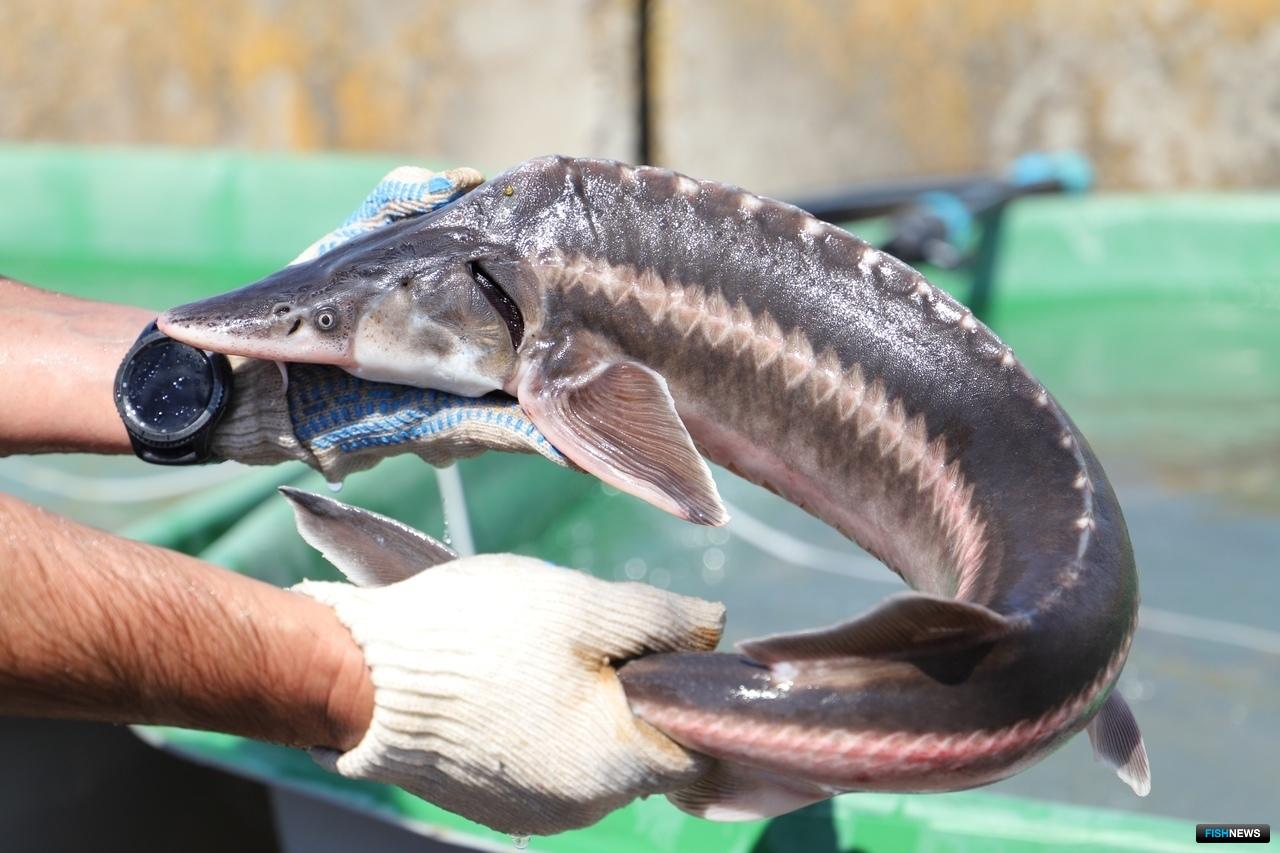
**Beluga sturgeon (*Huso huso*)** is one of the most valuable species of the sturgeon family. Due to its significant growth potential, high economic value, and association with premium Beluga caviar production, it has an important position in aquaculture. Although Beluga naturally spends different stages of its life cycle in freshwater and saline or brackish environments, farming it in saltwater requires careful management of salinity, temperature, dissolved oxygen, and overall water quality.
Biological Characteristics of Beluga Sturgeon
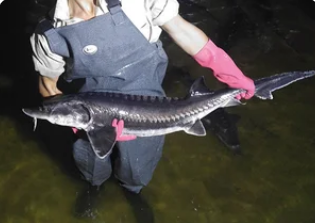
Beluga sturgeon, scientifically known as *Huso huso*, is one of the largest species of sturgeon. In its natural habitat, it is capable of adapting to different aquatic environments and is considered a migratory species that moves between freshwater and saline waters.
Some of the most important characteristics of Beluga sturgeon include:
* Long-term growth and the ability to reach a large size
* High economic value in international seafood markets
* Ability to produce highly valuable caviar
* Capacity to adapt to controlled changes in salinity
* High requirements for water quality and dissolved oxygen
* Sensitivity to sudden changes in temperature and water chemistry
An important point in **Beluga sturgeon farming in saltwater** is that salinity tolerance depends on the fish’s age, size, growth stage, physiological condition, and acclimation process. Therefore, a single fixed salinity level should not be considered appropriate for every stage of production.
Is Beluga Sturgeon Farming Possible in Saltwater?
From a biological perspective, Beluga sturgeon can tolerate saline and brackish environments. However, successful saltwater farming does not mean transferring fish directly from freshwater into highly saline water.
In aquaculture systems, salinity should generally be adjusted gradually to allow the fish to adapt to changes in osmotic conditions. This is particularly important for juveniles.
During the early stages of production, some farming programs may use freshwater or low-salinity water. As the fish grow, salinity can be adjusted under controlled conditions. The main objective is to minimize stress and maintain the fish’s physiological and osmotic balance.
Key Water Quality Parameters for Beluga Farming
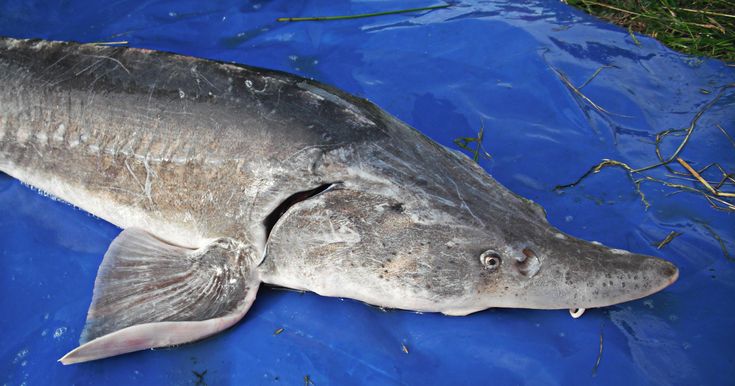
Water quality is one of the most important factors in successful Beluga farming in saline environments. Parameters such as **temperature, salinity, dissolved oxygen, pH, ammonia, nitrite, and suspended solids** should be monitored regularly.
. Water Temperature
Beluga sturgeon generally performs well in cool to moderate water temperatures. Excessively high temperatures can increase metabolic activity and oxygen consumption.
For this reason, temperature management is particularly important in intensive aquaculture systems. Rapid temperature fluctuations can also cause stress and reduce feeding activity.
. Water Salinity
Salinity is one of the most sensitive factors in Beluga farming. The species can adapt to saline environments, but **the appropriate salinity level should be determined according to the fish’s developmental stage and farming system**.
When salinity is increased, gradual acclimation is essential. Sudden changes can interfere with the fish’s osmotic balance and may result in reduced feeding, physiological stress, and increased susceptibility to health problems.
Dissolved Oxygen
Adequate oxygen supply is essential in intensive aquaculture systems. High stocking densities can significantly increase oxygen consumption and reduce water quality.
Proper aeration, continuous oxygen supply, and backup systems for emergencies are therefore important components of commercial Beluga farming.
pH and Nitrogen Compounds
Monitoring pH, ammonia, and nitrite is essential for maintaining fish health. The accumulation of metabolic waste in intensive or recirculating systems can rapidly deteriorate water quality.
In **Recirculating Aquaculture Systems (RAS)**, the proper operation of mechanical and biological filtration systems plays an important role in controlling these compounds.
Feeding Beluga Sturgeon in Saltwater
Feeding is one of the most important operating costs in Beluga aquaculture. The diet should be adjusted according to the fish’s age, body weight, water temperature, and activity level.
High-quality feed should provide appropriate levels of:
* Protein
* Lipids
* Essential amino acids
* Vitamins
* Minerals
* Digestible nutrients
Using high-quality feed can improve growth, reduce the feed conversion ratio, and support overall fish health.
In saline farming systems, feed management is also directly connected to water quality. Uneaten feed and metabolic waste can increase the organic load of the farming system and negatively affect water quality.
Acclimating Beluga Sturgeon to Saltwater
Acclimation to saline water should be carried out gradually. One of the most important principles is **progressive salinity adjustment combined with continuous monitoring of fish behavior**.
Signs such as reduced appetite, unusual swimming behavior, excessive restlessness, gathering in specific areas of the tank, or increased mortality may indicate unsuitable environmental conditions.
In commercial projects, it is advisable to test saltwater acclimation on a smaller group of fish before transferring the entire population to a new salinity level.
Suitable Systems for Beluga Farming
Several aquaculture systems can be considered for controlled Beluga farming in saline water. One of the most important options is the **Recirculating Aquaculture System (RAS)**.
In an RAS, water passes through mechanical and biological filtration processes before being returned to the fish tanks. This technology allows producers to maintain closer control over parameters such as:
* Temperature
* Dissolved oxygen
* Ammonia
* Nitrite
* Suspended solids
* Salinity
RAS technology can also reduce water consumption and may be particularly useful in areas where freshwater resources are limited.
Stocking Density and Tank Management
Excessive stocking density can increase stress, reduce water quality, and facilitate the spread of disease. Appropriate stocking density should be determined according to fish size, filtration capacity, oxygen supply, and the system’s ability to remove metabolic waste.
Beluga tanks should provide:
* Effective water circulation
* Adequate oxygenation
* Efficient removal of solid waste
* Easy cleaning and maintenance
* Easy observation and management of fish
Disease Management
Prevention is generally more important than treatment in Beluga aquaculture. Using healthy juveniles, quarantining newly introduced fish, disinfecting equipment, and maintaining good water quality are important biosecurity measures.
Saltwater should not be considered a substitute for proper disease prevention. Pathogens, poor water quality, environmental stress, and high stocking densities can still negatively affect fish health.
The Importance of Beluga in the Caviar Industry
One of the primary economic reasons for farming Beluga sturgeon is **Beluga caviar production**. Beluga caviar is recognized for its large eggs, distinctive characteristics, and high commercial value.
However, caviar production is a long-term process. The age at sexual maturity and reproductive performance of female sturgeon depend on factors such as genetics, nutrition, growth conditions, and environmental management.
For this reason, Beluga farming should be considered a long-term aquaculture investment rather than a short-term production project.
Challenges of Farming Beluga Sturgeon in Saltwater
The main challenges include:
1. **Precise salinity management and prevention of sudden changes**
2. **Providing sufficient oxygen at high stocking densities**
3. **Maintaining stable water temperature**
4. **High feed and equipment costs**
5. **Controlling ammonia and nitrite**
6. **Disease and stress management**
7. **The long period required for the fish to reach maturity**
8. **The need for specialized aquaculture expertise**
9. **High initial investment costs for RAS systems**
10. **Compliance with regulations governing sturgeon farming and trade**
Conclusion




بدون دیدگاه