
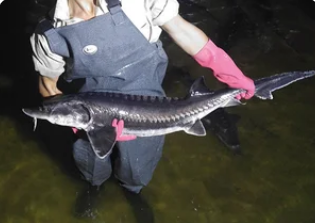
Iranian Beluga Sturgeon Export Outlook
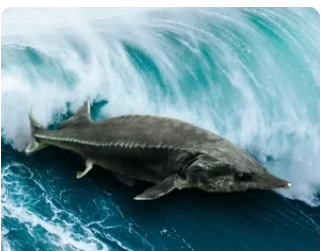
we explore the outlook for exporting Beluga sturgeon from Iran, market opportunities, competitive advantages, challenges, and key insights for export development
Iranian Beluga Sturgeon Export Outlook: A Unique Opportunity in the Luxury Aquatic Market
Introduction
The Beluga sturgeon is one of the most valuable and well-known aquatic species in the world, holding a special place in international markets due to its large size, meat quality, and association with Beluga caviar. In recent years, the outlook for exporting Beluga sturgeon from Iran has garnered increased attention, driven by the country’s strategic geographical location, its experience in aquaculture, and access to both regional and trans-regional markets.
With extensive coastlines in the north (Caspian Sea) and south (Persian Gulf and Oman Sea), Iran has significant capacity for developing aquatic farming and exports. Among these products, Beluga, as a high-value luxury item with substantial added value, can play a crucial role in generating foreign currency and expanding non-oil exports.
What is Beluga Sturgeon and Why Does It Have Export Value
Beluga belongs to the Acipenseridae family (sturgeons) and is primarily renowned for its extremely expensive caviar. However, Beluga fish meat also commands significant demand in certain markets. Due to its slow growth rate, high economic value, and limited global supply, Beluga is considered a premium and exclusive product.
Key reasons for Beluga’s export value include:
– High demand in luxury markets
– Favorable selling price compared to many other aquatic species
– High added value when processed and packaged to standard
– The appeal of the “Iranian product” brand in specific markets
## Outlook for Iranian Beluga Sturgeon Exports
The export outlook for this product can be analyzed from several perspectives:
Growing Demand for Luxury Seafood
In international markets, consumers—particularly in high-end restaurants, luxury hotels, and specialty stores—are seeking exclusive and premium products. Beluga fits into this category and can serve as a specialized export commodity for Iran.
### 2) Geographical Advantage and Access to Trade Routes
Iran’s access to open waters, proximity to major markets, and position along key transit routes provide a strategic advantage for aquatic exports. This geographical benefit can help reduce shipping costs and delivery times.
### 3) Capacity for Industrial Farming Development
Although farming Beluga requires technical expertise, investment, and time, the development of standard farms can create sustainable export production in the future, thereby strengthening the export outlook.
### 4) Potential for High Value-Added Production
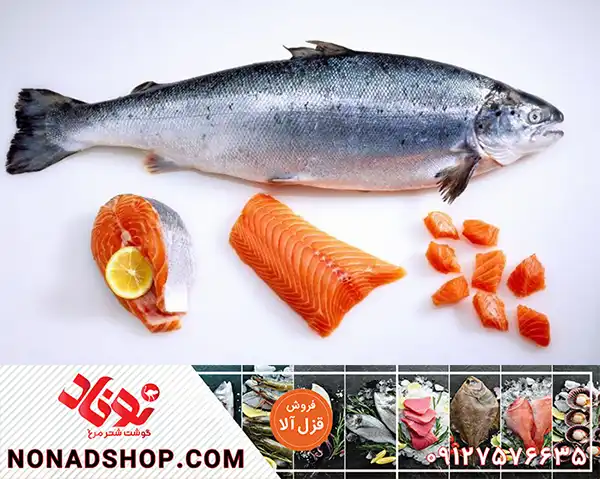
Beluga is not just a raw product; it can be offered in various formats, such as:
– Fresh fish
– Frozen fish
– Processed products
– Specialized export packaging
This versatility enhances the profitability of exports.
## Potential Target Markets for Beluga Exports
Understanding the target market is critical for export success. Some potential markets include:
### Gulf Cooperation Council (GCC) Countries
Due to high purchasing power, a presence of luxury restaurants, and a preference for premium products, GCC countries are among the most important target markets.
### European Countries
If full compliance with health standards, veterinary certifications, and packaging requirements is achieved, certain European markets can also be viable targets.
### East Asian Countries
In some East Asian nations, the consumption of luxury seafood holds a special place, making Beluga a potentially attractive product in these markets.
### Russia and Eurasian Countries
Due to geographical proximity and a history of aquatic product consumption, these markets can also play a role in Iran’s export strategy.
## Advantages of Exporting Beluga Sturgeon from Iran
Exporting this product can offer significant benefits to the national economy:
– Generation of high foreign currency revenue
– Increased value-added within the production chain
– Job creation in the aquaculture and processing sectors
– Strengthening of Iran’s export brand in niche markets
– Better utilization of fisheries and related industrial capacities
## Challenges of Beluga Exports
Despite its high potential, exporting this product is not without challenges. The main obstacles include:
### 1) Need for Strict Standards
Global markets have precise health and quality standards for importing aquatic products, especially exclusive ones.
### 2) High Initial Investment
Farming Beluga requires appropriate infrastructure, technical knowledge, time, and significant capital.
### 3) Environmental Restrictions and Permits
Exporting and even producing this species may be subject to environmental regulations and specific permits.
### 4) Global Competition
Other countries are also active in this sector. For success, Iran must focus on quality, packaging, branding, and supply stability.
## Strategies to Strengthen Beluga Exports
To improve the export outlook, the following measures can be considered:
– Investing in standard Beluga farming facilities
– Obtaining international health and quality certifications
– Developing cold chain logistics and specialized transportation
– Improving export packaging
– Targeted marketing in wealthy countries and niche markets
– Collaborating with experienced aquatic export companies
Conclusion
The outlook for exporting Beluga sturgeon from Iran can be very promising with proper planning. Due to its high value, global demand, and processing potential, this product represents a significant opportunity for developing non-oil exports. However, success in this field requires adherence to international standards, principled investment, and strategic selection of target markets.


بدون دیدگاه