
Can Iran Replace Russia in the European Salmon Market? A 2026 Analysis
-
Introduction
-
The Gap in the European Market and a Historic Opportunity
The European salmon market, one of the most profitable protein markets in the world, was valued at $6.26 billion in 2025 and is projected to reach $11.72 billion by 2034, growing at an annual rate of 7.84%. In the wake of Western sanctions against Russia, this product-hungry market is undergoing a major shift: a void created by the declining share of Russia. This void raises a key question for Iranian traders: Does Iran have the potential to capture Russia’s salmon market share in Europe?
-
Market Analysis: Why Has Russia’s Position Become Shaky?
Before the sanctions, Russia was a major, albeit indirect, player in the European salmon market. In 2022, Russian fish exports to the European Union surged by 18.7% to 198,800 tonnes, worth nearly €1 billion. Russia’s share that year accounted for 4.5% of the EU’s total imports of 4.4 million tonnes. However, with the continuation of the war in Ukraine, the rules of the game changed. From the beginning of 2024, the EU removed zero-rate preferential tariffs on Russian fish. Nevertheless, according to a Euractiv report, even with these restrictions, the EU still purchased €709 million worth of fish from Russia in 2024. Now, pressure is mounting for even tougher sanctions, including a complete ban on fish imports from Russia.
These escalating political pressures have dramatically heightened the risk of trading with Russia, pushing the European supply chain toward more stable and alternative sources. This is precisely the window of opportunity that has opened for Iran.

-
Iran’s Capabilities: A Ready Engine
The short answer to the central question is positive. Iran not only has the potential but also growing infrastructure to play a role in this market.
-
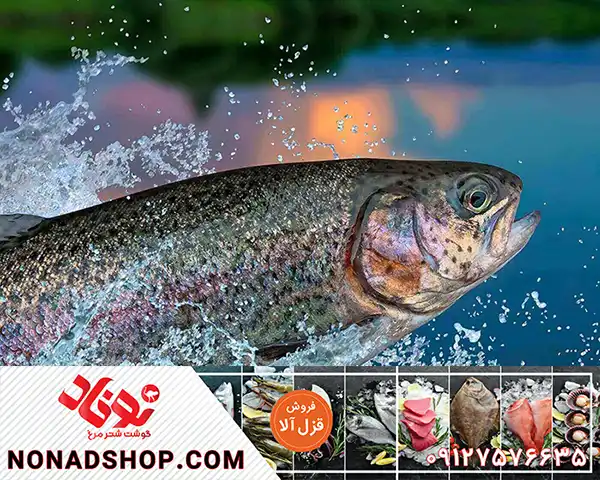
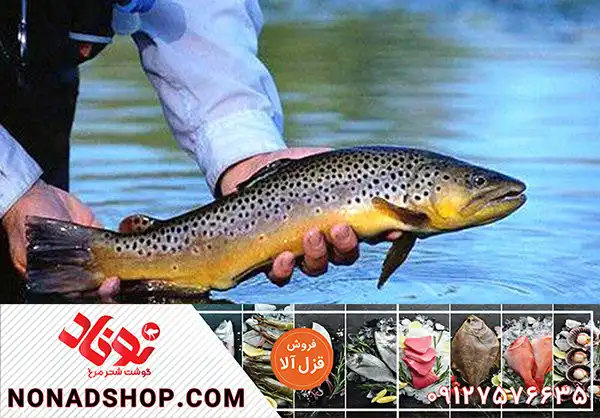
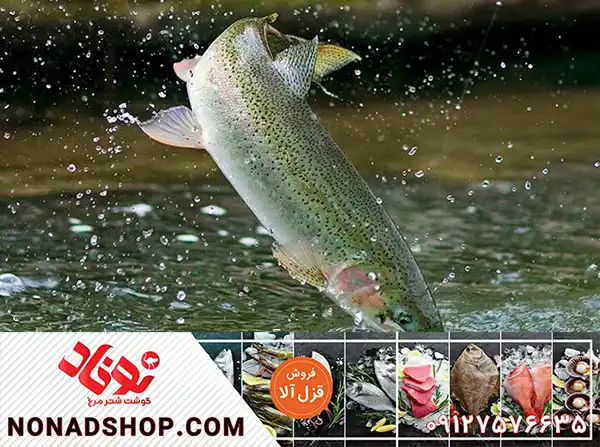
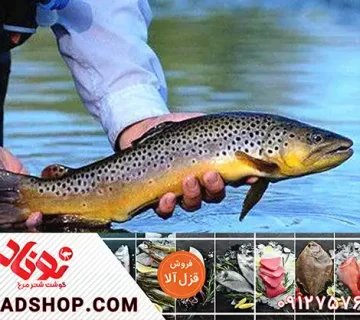
Stunning Production Capacity: With an annual production of 115,000 tonnes of trout (known as freshwater salmon in the market), Iran ranks first in freshwater production of this product globally. The key point is that Iran’s actual trout production capacity is estimated at 196,000 to 200,000 tonnes per year. This means Iran is currently operating at only 57% of its capacity and has enormous room for a rapid increase in production.
-
Superior Quality and New Markets: The high quality of Iranian fish has made it a popular product in export markets. Iran already exports to Persian Gulf countries and Russia and has recently conquered new markets such as China, South Korea, and the Eurasian Economic Union member states.
-
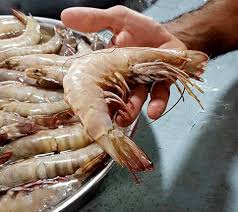
National Will for an Export Leap: The Iranian government’s development plans show a serious determination to become an export giant. The target is to increase total fisheries production from the current 1.4 million tonnes to 1.8 million tonnes by 2030. In line with this, Iran’s fisheries exports in the 7 months ending October 2025 grew by 30% to $450 million, with 80% of that (mainly shrimp) heading to European and regional markets.
-
Obstacles and Challenges Ahead (A Realistic View)
Despite the tremendous potential, the path to conquering the European market is not smooth.
-
The Main Challenge: Obtaining EU Health Certifications: The biggest hurdle is obtaining the strict health and standard approvals required by the European Union for fishery products. This is a time-consuming and costly process, but the good news is that Iran has started down this path. A significant milestone was receiving the ASC (Aquaculture Stewardship Council) certification for Iranian shrimp in cooperation with the Netherlands Embassy in Tehran, demonstrating Iran’s determination to align with global standards.
-
Scale of Production Against Competitors: Norway alone supplies about 75% of the EU’s needs. To compete at this level, Iran requires massive investment. Fortunately, 155 new fishery projects with an investment of $42.5 million are underway, which includes the development of cold-water fish farming. These projects are an important step toward increasing the scale of production.
-
Marketing and Branding: The “Iran Salmon Brand” is still unknown in the European market. Successful entry requires an aggressive marketing strategy, presence at international exhibitions (like IFEX 2025), and building direct relationships with European buyers.
-
Water Resource Constraints: The sustainable development of aquaculture requires intelligent management of water resources, which is one of the main domestic challenges.
-
Competition from Other Countries: Turkey is also vigorously developing its salmon exports. Turkish salmon exports rose by 13% in 2025 to $520 million. This shows that the competition to fill the void left by Russia will be tight.
-
Conclusion: A Historic Opportunity, but Conditional on Action
The answer to the main question is: Yes, Iran absolutely has the potential and ability to capture Russia’s share of the European salmon market. The ready production capacity, product quality, and national will to develop exports all support this claim. However, the realization of this is not an absolute “maybe,” but is tied to a strategic action plan. Removing legal and health barriers, targeted investment to increase production scale, and branding are the three golden keys to unlocking the doors of the lucrative European market. For Iranian traders, now is the time to study, plan, and take practical steps to enter this competitive and highly profitable arena.
NONADSHOP.COM
WITH HIS BENEFITS AND EXPERIENCE IN TRADE AND EXPORT SALMON TO NORTH PORT IN IRAN READY FOR TEAM MATE ACTION WITH OTHER TRADERS IN WORLD
http://parvisico.com
http://nonadshop.com


بدون دیدگاه