
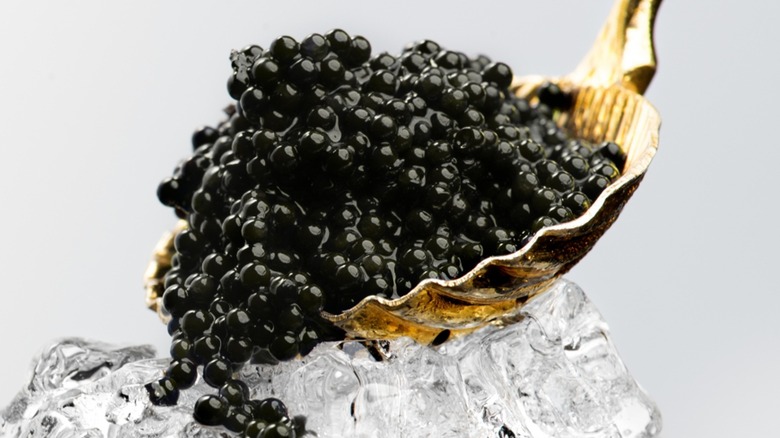
Which Countries Produce the Best Caviar in the World
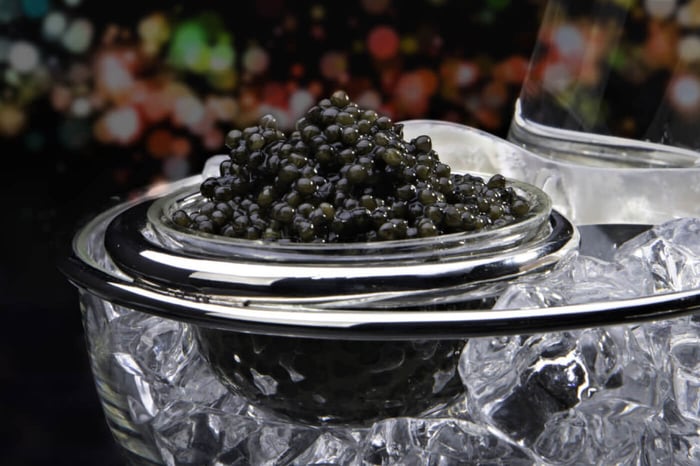
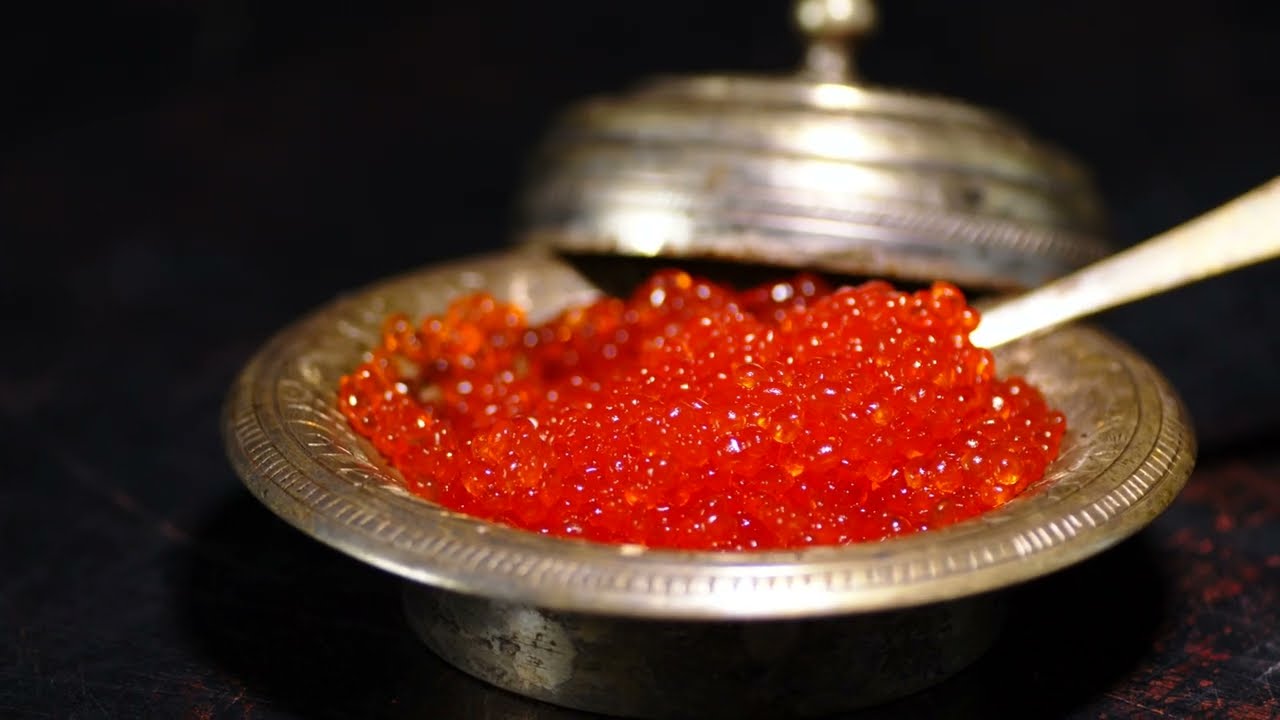
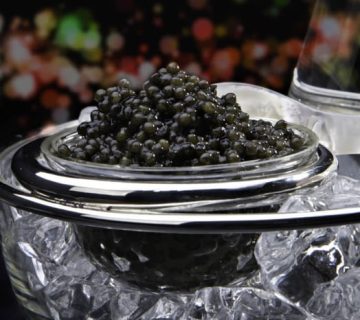
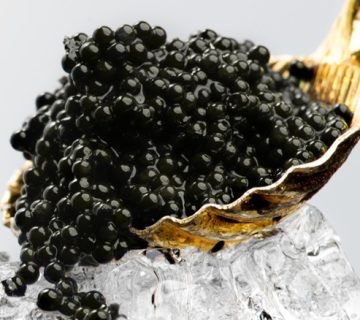
Caviar, these black and precious pearls, has long been a symbol of luxury, grandeur, and refined taste on the tables of the elite and in the world’s finest restaurants. But true caviar comes only from the eggs of sturgeon fish, and its quality depends heavily on the species of fish, habitat, processing method, and even salinity level. In this article, we examine which countries today produce the best caviar in the world and why certain regions still sit on the throne of this product.
The Heritage of the Caspian Sea The Original Birthplace of World Caviar
To judge fairly, the historical and natural birthplace of the world’s best caviar is the Caspian Sea. This vast inland sea, located between Iran, Russia, Kazakhstan, Turkmenistan, and the Republic of Azerbaijan, is the largest natural habitat of wild sturgeon in the world and has nurtured legendary species such as Beluga, Osetra, and Sevruga.
Iran; The Jewel of World Caviar
Without a doubt, Iran is the most famous and prestigious name in the world of caviar. Iranian caviar, especially from the southern region of the Caspian Sea, has been recognized for centuries as the finest caviar in the world.
Reasons for the superiority of Iranian caviar:
· Traditional fishing and processing method: Iranians use the “malossol” (low-salt) method, which preserves the natural and pure taste of the fish eggs.
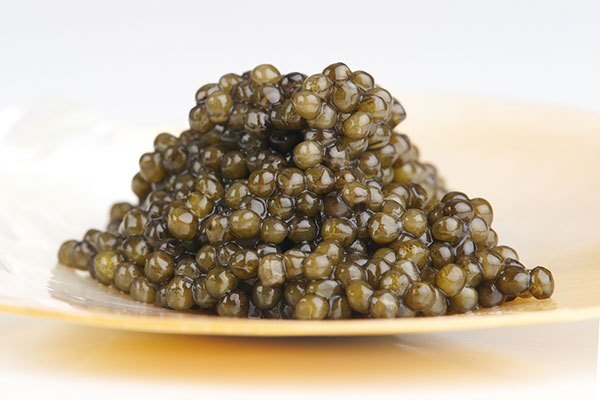
· Specific species: Iranian Beluga caviar, due to its large grains, pearl-gray color, and buttery, mild flavor, is known as the most expensive caviar in the world.
· Strict quality control: Reputable Iranian brands such as “Gharaburun Caviar,” “Iran Fisheries,” and “Golden Caviar” maintain extremely high standards.
Despite international restrictions on wild sturgeon fishing, Iran remains one of the few countries that harvests wild sturgeon under strict supervision, and its caviar is exported to European and Asian countries. Many experts consider Iranian Beluga caviar to be “the best caviar in the world.”
. Russia; The Historical EMpire of Caviar
Russia has also been one of the two main poles of world caviar production since ancient times. Russian caviar was harvested from the northern areas of the Caspian Sea and the Volga and Ural rivers. During the Soviet era, Russian caviar was considered a strategic export commodity.
However, after the collapse of the Soviet Union and overfishing, the wild sturgeon population of Russia drastically declined. Today, Russia focuses more on sturgeon farming, and brands such as “Russian Caviar House” and “Beluga Vodka’s Caviar” offer high-quality products. Russian Beluga and Osetra caviar still have many fans in the global market, but in terms of flavor delicacy, Iranian caviar is usually considered a cut above.
3. Republic of Azerbaijan, Kazakhstan, and Turkmenistan
These three countries, also bordering the Caspian Sea, are historical caviar producers. The Republic of Azerbaijan, especially during the Soviet era, was one of the important caviar processing centers. Kazakhstan and Turkmenistan also produced Ural and Beluga caviar, but due to weaker management and declining stocks, their share in the global market has decreased. Nevertheless, Azerbaijani caviar (especially the “Baku Caviar” brand) still maintains acceptable quality.
The Sturgeon Farming Revolution; Countries That Built the Future
Since the 2000s, due to international restrictions (CITES convention) aimed at protecting wild sturgeon, sturgeon aquaculture has grown significantly. Today, a large portion of caviar on the global market comes from farms. Some of these countries have managed to achieve quality close to wild Caspian caviar.
4. France; Master of Elegance and Flavor
France is one of the leading European countries in farmed caviar production. Brands such as Sturia, Caviar de Neuvic, and Kaviari produce caviar that is world-class in terms of flavor clarity, texture, and quality control. The French primarily farm the Siberian Sturgeon and Osetra species. French caviar has a delicate, buttery, and nutty flavor and is highly praised by European chefs due to its strict hygiene and processing standards.
5. China; The Emerging Giant of Caviar
You might be surprised to learn that China is currently the largest producer of farmed caviar in the world. The Kaluga Queen brand from China produces hybrid Kaluga and Beluga caviar, which is even served in first-class cabins of some prestigious airlines. The quality of Chinese caviar has greatly improved in recent years and, due to its competitive pricing, has captured a large share of the global market.
6. Italy and Spain; European Competitors
Italy, with the Calvisius brand, is one of the oldest and most reputable farmed caviar producers in Europe. Calvisius caviar is made from White Sturgeon and Siberian Sturgeon species and has a very balanced and pleasant flavor. Spain, with the Riofrío brand, also produces high-quality organic caviar.
7. United States and Uruguay; New Players
In the Americas, the United States (especially California and North Carolina) has modern sturgeon farming facilities. Brands such as Marshallberg Farm and Tsar Nicoulai offer high-quality white and Osetra caviar. Uruguay, with the Black River Caviar brand owned by Russian investors, produces farmed Beluga and Osetra caviar, which some consider the closest taste to wild Caspian caviar.
Which Country Truly Has the Best Caviar?
The answer to this question somewhat depends on your criteria:
· If you seek authenticity, tradition, and legendary flavor: Iranian caviar, especially Beluga caviar from the Caspian Sea, remains unmatched. No farmed caviar has been able to fully replicate the depth of flavor, grain size, and buttery softness of wild Iranian caviar.
· If you seek consistent and accessible quality: Farmed caviar from France and Italy is outstanding in terms of processing technique, cleanliness, and consistency.
· If price matters to you and you still want good quality: Chinese caviar is an economical option with rapidly improving quality.
· If you seek an experience close to wild caviar: Uruguayan caviar (Black River), produced from farmed Beluga species, has gained significant attention.
Conclusion
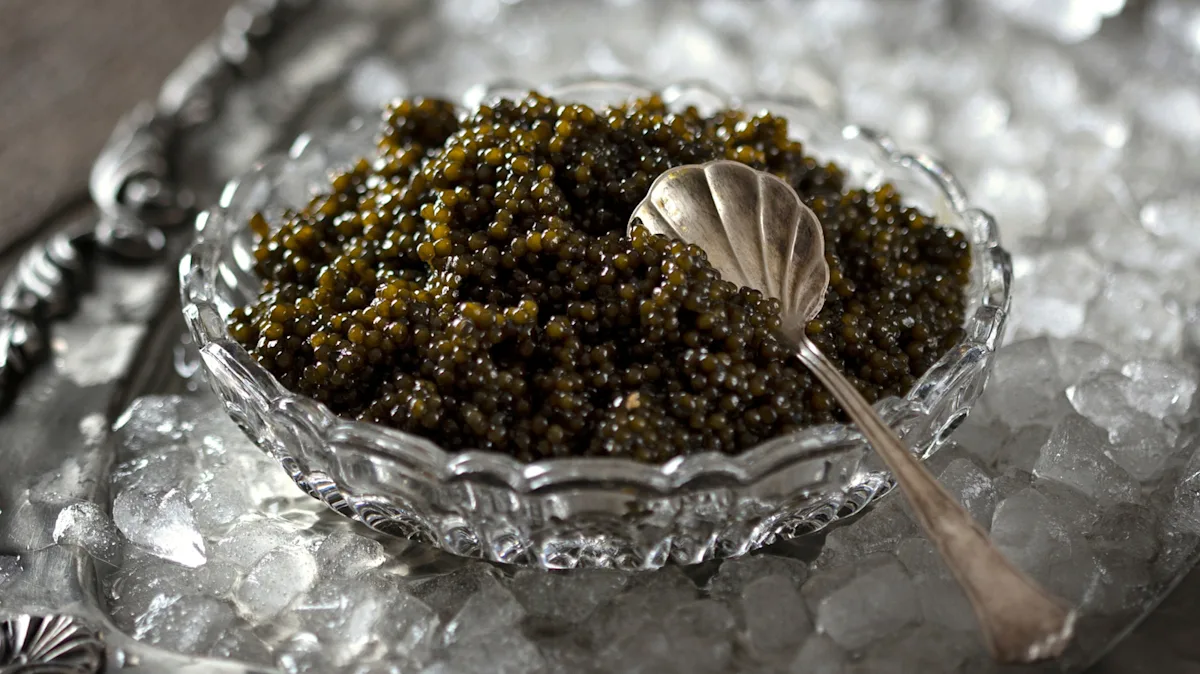
The best caviars in the world today fall into two main categories: wild Caspian caviar, led by Iran, and modern farmed caviar, in which countries like France, Italy, China, the United States, and Uruguay are pioneers.
However, if we were to name a single king of world caviar, that name would undoubtedly be Iran. A heritage spanning several millennia, unique sturgeon species, and the low-salt “malossol” processing method have kept Iranian caviar as the golden standard of quality in the global market. Alongside it, modern producers, through technology and precise management, are securing the future of this aristocratic delicacy.
FOR MORE INF CALL US IN
NONADSHOP.COM

PARVISICO.COM

بدون دیدگاه