
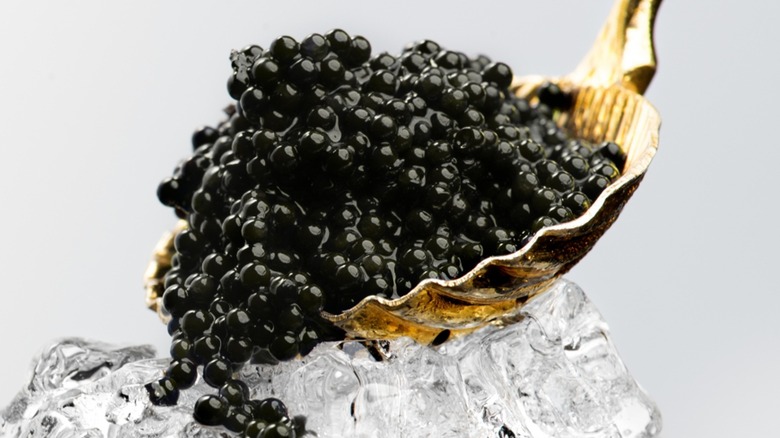
The History of Iranian Caviar Production and Export in the North and South
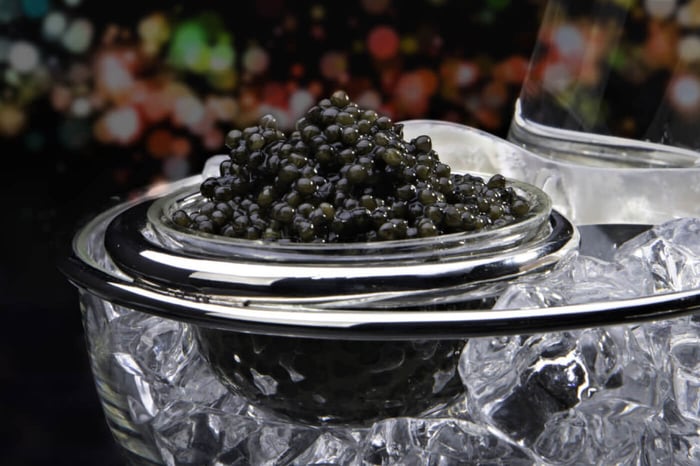
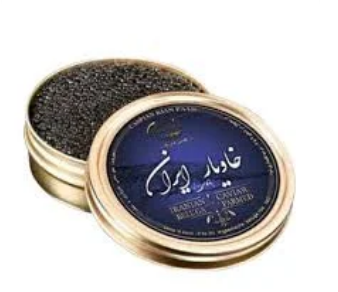
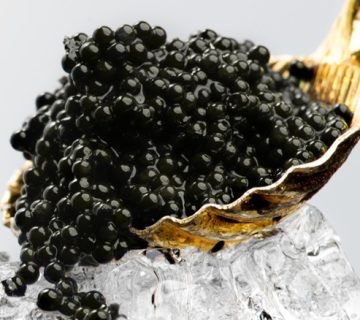
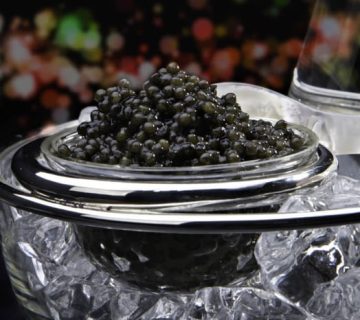
Caviar, this “black pearl” or “Caspian gold,” has for centuries been not only a strategic and economic product for Iran, but also an inseparable part of the country’s culture and history. Traces of this precious commodity can be followed from the magnificent banquets of the Achaemenid court to the luxurious tables of Europe. In modern times, the export of this luxury good has been one of the important sources of non-oil foreign currency earnings for the nation, playing a key role in foreign trade.
When Iranian caviar is mentioned, minds often turn to the lush green shores of the north and the Caspian Sea. But the story of the production and export of this strategic product is not limited to the northern strip of the country. In recent years, the tide has turned in favor of Iran’s central and southern regions as well. In this article, from the perspective of a commercial website and with a business and historical lens, we examine the eventful journey of caviar production—from the era of traditional fishing in the Caspian to the modern age of farming on the edge of the desert and the Persian Gulf.
Part One: The History of Caviar Production and Export in Northern Iran (The Vanguard of Tradition)
-
From Ancient Times to State Monopoly: The Formation of a Global Brand
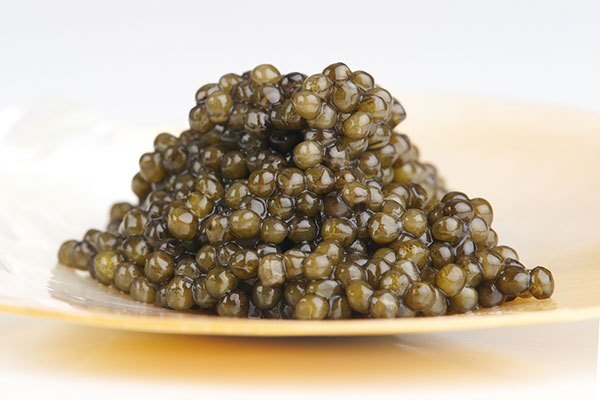
The history of caviar consumption dates back centuries. The earliest written records of sturgeon roe consumption point to the height of the Mongol Empire and the travels of Marco Polo, who mentioned these fish. But what made Iranian caviar global was the strategic location and God-given bounty of the Caspian Sea—the world’s largest source of sturgeon, which alone supplied over 90% of the globe’s caviar.
Iran’s entry into the international caviar trade is intertwined with the Qajar and subsequently the Pahlavi eras. Although precise catch statistics before the year 1307 SH (1928 AD) are unavailable, it was in that year that the process of officially recording catch data began.
A turning point in the commercial history of caviar in the north was the nationalization of the fishing industry in 1331 SH (1952 AD). With this move, caviar harvesting was freed from the monopoly of mixed foreign companies (mainly Russian), and an upward trajectory began. Between 1337 and 1347 SH (1958–1968 AD), the modernization of fishing methods dramatically increased caviar extraction. During this era, Iranian caviar became the exclusive brand of European royal courts and the Russian aristocracy, claiming a major share of the north’s fishery foreign currency income.
-
The Golden Age and the Fall (1350s to 1389 SH / 1971–2010 AD): From First Place to a Fishing Ban
The 1350s and early 1360s (1970s and 1980s) must be regarded as the “Golden Age” of northern caviar. As the world’s largest caviar exporter, Iran held a share of 450 tonnes from the Caspian Sea’s catch. But these glorious days were not to last. After the 1357 (1979) Revolution, a series of political and economic challenges gripped the industry:
-
Overfishing and smuggling: With the collapse of the Soviet Union in the 1990s, the Caspian Sea became a lawless arena. Overfishing and organized smuggling (dubbed the “caviar mafia”) pushed natural stocks to the brink of complete extinction.
-
International regulations: Pressure from environmental organizations, including the CITES convention, to control trade in endangered species intensified.
-
The fishing ban: Ultimately, the catastrophic decline in stocks led to a complete ban on commercial fishing of sturgeon from the Caspian Sea beginning in 2010 (1389 SH).
This massive shock marked the end of one era and the forced beginning of another.
-
The Silent Revolution on the Caspian Shores: The Transition from Fishing to Farming
With the fishing ban, Iran’s northern strip (Gilan, Mazandaran, and Golestan provinces) rapidly transformed into a hub for sturgeon farming. This strategic shift not only saved the species from the threat of extinction but also made the export path more transparent and lawful. Today:
-
Gilan: As the traditional hub, it still hosts the largest and oldest caviar farms.
-
Golestan: Has particularly shone in this arena and become one of the new poles of direct farmed caviar production and export. A significant portion of the country’s farmed caviar is produced in this province annually, and districts like Ashuradeh have become reputable brands in the field.
-
Mazandaran: By leveraging modern knowledge and private sector investment, it houses numerous farms.
This transition from “fishery” to “aquaculture” in the north turned Iranian caviar into a sustainable product in global markets. Currently, millions of sturgeon fingerlings are released into the Caspian Sea by Iran every year to help revive natural stocks.
Part Two: The Southern Surge; The Modern History of Caviar Production in Central and Southern Iran
If northern Iran is the heir to tradition, the central and southern regions symbolize modernity and ingenuity in the caviar industry. This part of Iran’s caviar history is much newer but equally astonishing.
-
From Idea to Action: When Caviar Came to the Desert and the Persian Gulf
At first glance, farming sturgeon (which is native to the cold and temperate waters of the Caspian) on the hot, arid edge of the central desert or the shores of the Persian Gulf might seem impossible. However, the reality is that limited water resources in the north and high global demand drove Iranian specialists toward a revolutionary idea: intensive, closed-system farming in non-coastal regions.
This concept, which took off seriously in Iran about two decades ago, was founded on two principles:
-
Environmental control: Creating indoor tanks with fully controlled temperature and water quality.
-
Use of unconventional waters: Utilizing well water, desalinated water, and even inland saline waters.
-
Leading Provinces: From Fars to Sistan and Baluchestan and Hormozgan
Today, contrary to popular belief, a significant portion of Iran’s caviar export basket is produced outside the northern provinces. Below, we take a look at the new players in this arena:
-
Fars: This province has become one of the largest producers of farmed caviar in Iran. Advanced farms in the region, utilizing German and Russian technology, have succeeded in producing a product that rivals the best global brands in quality.
-
Sistan and Baluchestan: Perhaps the most unexpected player. In January 2026 (Dey 1404 SH), the Director-General of the province’s Inland Waters Fisheries officially announced the development and expansion of sturgeon farming adapted to saline waters in this region. This initiative not only increases production but also reduces pressure on freshwater resources.
-
Hormozgan and the Southern Coasts: The high air temperature in these areas, rather than being a threat, has become an opportunity. The higher water temperature (within a controlled range) accelerates fish growth and shortens the farming cycle. This competitive advantage means a faster return on investment for producers.
-
Strategic Advantages of Production in the South and Center
From the perspective of a trader and business operator, the southern surge in caviar production represents a “revolution in the supply chain”:
Competitive Advantage Description
Sustainable and plannable production Unlike seasonal fishing, farming in the south is possible year-round.
Proximity to export hubs Compared to the north, southern and central farms are much closer to major air export customs (such as Imam Khomeini Airport) and southern ports (Bandar Abbas). This proximity sharply reduces logistics costs and lowers the spoilage risk for this sensitive product.
Biodiversity and lower risk Distributing production across diverse climates reduces the risk of widespread disease outbreaks.
Entering the market with a novel product The ability to market the product with a compelling story—“Desert Caviar” or “Persian Gulf Caviar”—which is highly exciting for foreign buyers.
Today, around 90% of Iran’s farmed caviar is exported directly to global markets, and the share of non-northern provinces in this export basket is increasing day by day.
Part Three: Challenges and Future Prospects for Iran’s Caviar Trade
The history of caviar production and export in Iran is a story of overcoming crises. From the extinction crisis in the north to the challenge of entering global markets with a farmed product.
-
Deterrent laws and sanctions: The biggest challenge remains international financial transactions and banking relationships. Strict customs regulations also sometimes cause shipments to be held up.
-
Smuggling and emerging rivals: The risk of counterfeit and smuggled caviar entering global markets, which targets the reputation of the Iranian brand, is serious. Additionally, the littoral states of the Caspian and China have become formidable competitors.
-
Development plans: Nevertheless, the outlook is bright. The Iran Fisheries Organization plans to increase the country’s caviar production to 140 tonnes by the end of the Seventh Development Plan, the vast majority of which will be realized through these very farms in the north and south.
Final Summary
The story of Iranian caviar is a tale of rebirth. From the ancient Caspian shores that gifted “black gold” to the world for centuries, to the advanced farms that stand tall today in the heart of the desert and on the shores of the Persian Gulf. Iran is now not just a traditional exporter, but a power of innovation in the field of modern aquaculture. For those active in the commercial sphere, understanding this historical and geographical transformation is the golden key to making a smart investment in one of the most profitable and sustainable luxury food supply chains in the world.
CAVIAR AS A IMPORTANT GOODS IN EXPORT FROM IRAN ROLE A IMPORTANT GAME IN TRADE PROCESS OF IRAN
NONADSHOP COMPANY

http://parvisico.com
WITH HIS EXPERIENCE IN EXPORT TO SOUTH AND NORTH COUNTRY FROM IRAN READY FOR HELP TO OTHER FRIENDS FOR START BUSINESS

بدون دیدگاه