
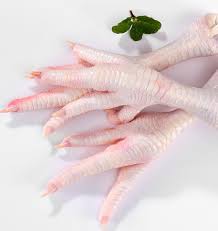
Sanitary and Medical Considerations for Chicken Feet Exports

Introduction
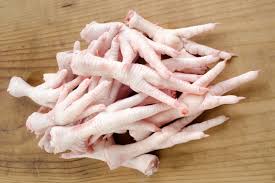
Chicken feet exports represent one of the most profitable segments of the poultry by-products trade, but succeeding in this global market is almost impossible without strict adherence to international medical and sanitary regulations. Due to its processed nature and high contact surface with environmental contaminants, chicken feet are considered one of the most sensitive poultry products from a sanitary perspective. Importing countries—especially China, the European Union, Japan, and South Korea—enforce rigorous regulations for accepting chicken feet shipments. In this article, we will examine, from an exporter’s practical viewpoint, all the global medical and sanitary requirements for chicken feet exports.
Global Framework of Sanitary Regulations for Poultry Products
Three main international bodies and agreements form the backbone of sanitary regulations for chicken feet exports:
1. Codex Alimentarius
The Codex Alimentarius sets international standards for food safety and quality. For chicken feet, Codex standards include maximum residue limits (MRLs) for veterinary drugs, microbial contaminants, and heavy metals. Exporters must produce and test their products in accordance with Codex standards.
2. World Organisation for Animal Health (WOAH, formerly OIE)
This organization develops standards for animal health and prevention of transmissible diseases. Diseases such as Avian Influenza and Newcastle Disease are among the most significant concerns related to chicken feet exports. The exporting country must prove that these diseases are absent or under control according to WOAH protocols.
3. WTO SPS Agreement (Sanitary and Phytosanitary Measures)
This agreement allows countries to apply sanitary and phytosanitary regulations to protect human, animal, and plant health, provided such regulations are based on scientific evidence and do not create unjustified discrimination. Exporters should be aware that any country may impose stricter requirements than international standards.

Main Medical and Sanitary Risks in Exported Chicken Feet
To understand the requirements, one must first recognize the main risks. Chicken feet are specifically exposed to the following hazards:
Risk Possible Source Consequence if Uncontrolled
Salmonella Contamination at slaughterhouse, wash water, improper storage Food poisoning, shipment rejection, export ban
E. coli Poor processing hygiene, residual feces Gastrointestinal illness, shipment refusal
Antibiotic and hormone residues Unauthorized use on farm, failure to observe withdrawal period Shipment rejection, removal from approved list
Heavy metals (lead, cadmium) Contaminated feed, water Long-term health risk, non-compliance with MRLs
Avian influenza virus Disease in source flock Complete export halt, destruction of shipment
Physical contamination (metal fragments, plastic) Processing line Consumer injury, complaints, product return

Key Sanitary Requirements for Chicken Feet Exports

All importing countries expect the exporter to implement a comprehensive food safety management system. The basic requirements include:
1. HACCP System (Hazard Analysis and Critical Control Points)
HACCP is a nearly universal requirement for poultry processing plants. The exporter must be able to provide complete HACCP documentation, including hazard analysis, critical control points (CCPs), critical limits, monitoring procedures, and corrective actions.
2. GMP Principles (Good Manufacturing Practices)
GMP compliance covers building hygiene, equipment, personnel, pest control, waste management, and water sanitation. Foreign inspectors typically evaluate GMP first.
3. Traceability
From farm to destination port, each shipment must be fully traceable. This includes farm registration, slaughter date, production line, batch number, expiration date, and container number. China and the EU prefer electronic traceability.
4. Unbroken Cold Chain
Frozen chicken feet must be stored and transported at -18°C or lower. Any temperature fluctuation (even for a few hours) can lead to microbial growth and shipment rejection. Temperature data loggers in the container are mandatory.
5. Biosecurity
The exporting country and supplying farms must have a robust biosecurity program to prevent avian influenza and other diseases. A veterinary health certificate is issued only if the source flock is disease-free.
6. Accredited Laboratory Testing
Microbial tests (Salmonella, E. coli), chemical tests (antibiotic residues, heavy metals), and in some cases viral tests must be performed in accredited laboratories (e.g., ISO 17025). Results must accompany the shipment.
Specific Requirements of Major Importing Countries
Each import market has its own requirements. Below are the most important chicken feet markets and their key requirements:
1. China – General Administration of Customs of China (GACC)
China is the world’s largest importer of chicken feet and imposes the strictest requirements:
· Plant registration on the GACC list: All foreign plants must be approved and registered by GACC. Registration is done through the Chinese embassy with complete documentation.
· Veterinary health certificate: The exporter must obtain an official certificate from the veterinary authority of the country of origin, in the format required by China.
· Mandatory testing: Salmonella, drug residues (nitrofurans, chloramphenicol, fluoroquinolones), heavy metals, and aflatoxin.
· Chinese packaging and labeling: The label must include product name, country of origin, plant registration number, production and expiration dates in Chinese.
· Disinfection protocol: During disease outbreaks, China may add container disinfection requirements and a certificate of non-contamination.
Practical note: GACC approval can take months. Exporters should apply well in advance and report any changes in the production line.
2. European Union (EU)
The EU is a small market for chicken feet, but some countries like the Netherlands act as re-export hubs. EU requirements include:
· Listing of approved countries: The exporting country must be on the EU list for poultry products.
· Residue control program: The country of origin must implement a residue monitoring program in accordance with EU directives.
· Sanitary packaging: Use of food-contact approved packaging materials (EU 10/2011).
3. United States – FSIS (Food Safety and Inspection Service)
The U.S. is both an exporter and importer of chicken feet. For re-export or imported products:
· FSIS inspection: Foreign plants must have a system equivalent to FSIS inspection.
· FSIS export certificate: For shipments from the U.S., an official FSIS certificate is issued.
· Labeling requirements: According to USDA regulations.
4. Japan and South Korea
These two countries also have strict regulations:
· Japan: Requirements of the Ministry of Health, Labour and Welfare (MHLW) include testing for drug residues and food additives. Products must come from countries free of avian influenza.
· South Korea: The Ministry of Food and Drug Safety (MFDS) has similar regulations to China and conducts periodic inspections of plants.
5. Islamic Countries – Halal Requirements
If the destination is an Islamic country (such as UAE, Saudi Arabia, Malaysia, Indonesia), in addition to sanitary requirements, a valid Halal certificate is mandatory. Chicken feet must come from poultry slaughtered according to Islamic law and must not come into contact with non-halal materials during processing, packaging, and transport.
Halal certification bodies must be recognized by the destination country.
Certificates and Documents Required for Chicken Feet Exports
An exporter of chicken feet must send a complete set of documents with each shipment:
1. Veterinary Health Certificate: Issued by the veterinary authority of the country of origin, in the destination country’s format.
2. Certificate of Origin: To determine tariff rates and prove the producing country.
3. HACCP and GMP Certificates: Confirmation of the plant’s food safety management system.
4. Microbial and Chemical Test Certificates: Results from an accredited laboratory.
5. Halal Certificate (if required): From a recognized body approved by the destination.
6. Bill of Lading and Commercial Invoice: Full shipment details, net weight, number of cartons, storage temperature.
7. Container Disinfection Certificate (if required): Especially for China during sensitive periods.
8. Traceability Certificate: Including farm code, production date, batch number.
Practical Checklist for Chicken Feet Exporters
Review this checklist before every shipment to ensure compliance with all medical and sanitary considerations:
Before Production:
☐ Is the plant registered on the destination country’s approved list (e.g., GACC for China)?
☐ Are HACCP and GMP systems up to date and documented?
☐ Does the source flock have a health certificate and is free of avian influenza?
☐ Has the antibiotic withdrawal period been observed?
During Processing:
☐ Is the water tested and free of contamination?
☐ Are washing and storage temperatures within standards?
☐ Are chicken feet separated without contact with feces and contamination?
☐ Is packaging hygienic and made of approved materials?
After Production and Packaging:
☐ Has freezing reached -18°C and is it stable?
☐ Have microbial and chemical tests been performed with negative results?
☐ Is labeling in the destination country’s language and includes all mandatory information?
During Transportation:
☐ Is the refrigerated container sound, and is temperature recorded throughout the journey?
☐ Has a container disinfection certificate been obtained?
☐ Are all documents accompanying the shipment?
Upon Arrival:
☐ Do customs inspections in the destination country proceed without problems?
☐ If the shipment is rejected, is a corrective action plan ready?


بدون دیدگاه