
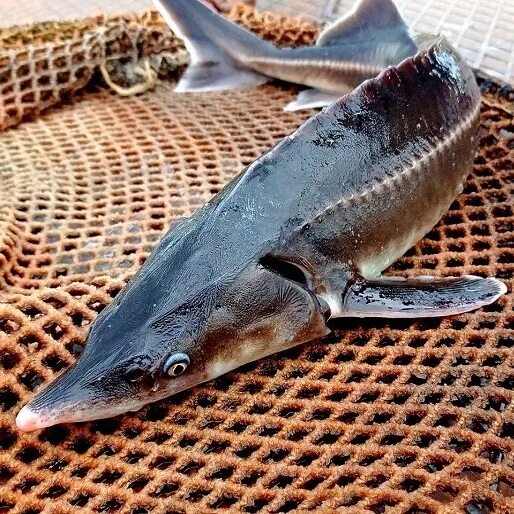
Iran’s Beluga Fish Meat Exports
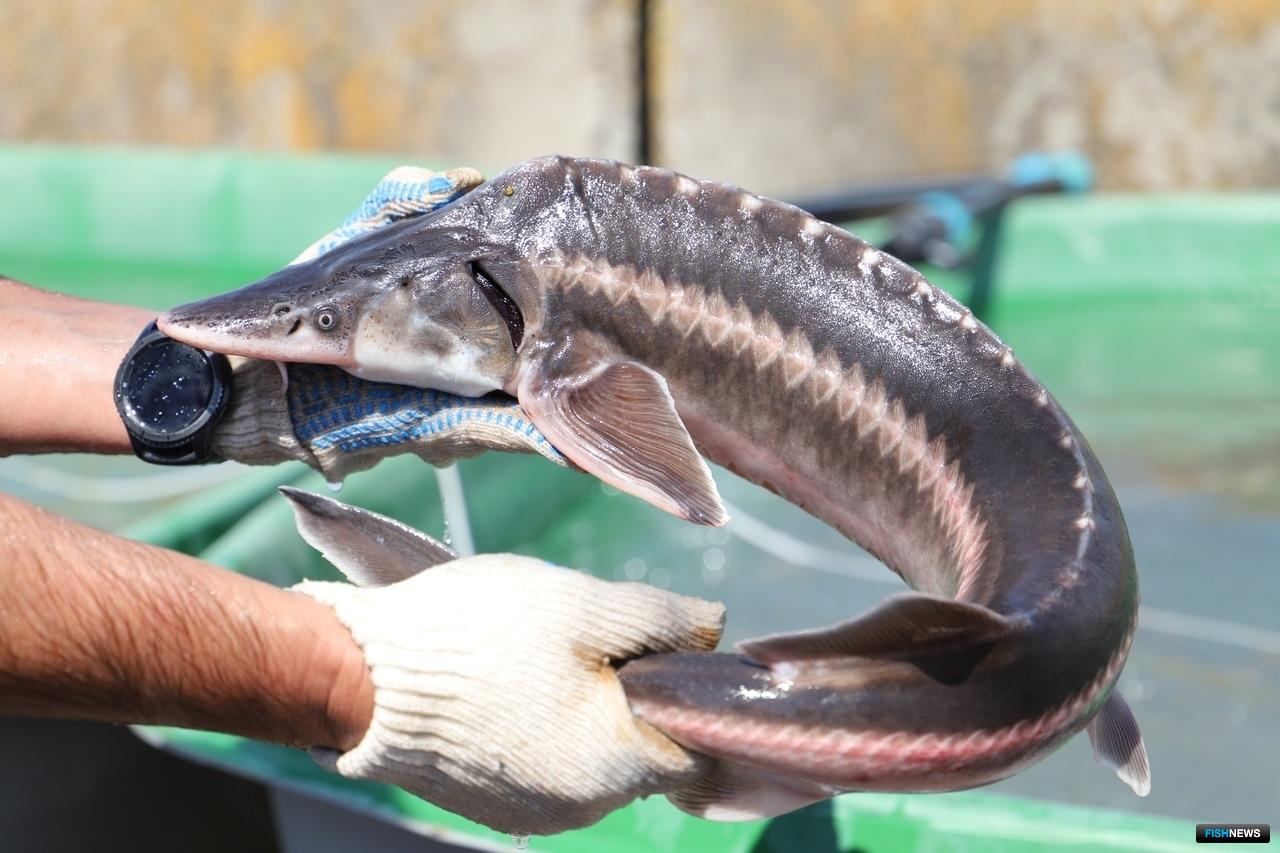
A comprehensive review of Iran’s beluga (Huso huso) fish meat exports, main destinations, nutritional value, health requirements, and competitive advantages of this luxury product in international markets.
Iran’s Beluga Fish Meat Exports: From Caviar Farms to Global Tables
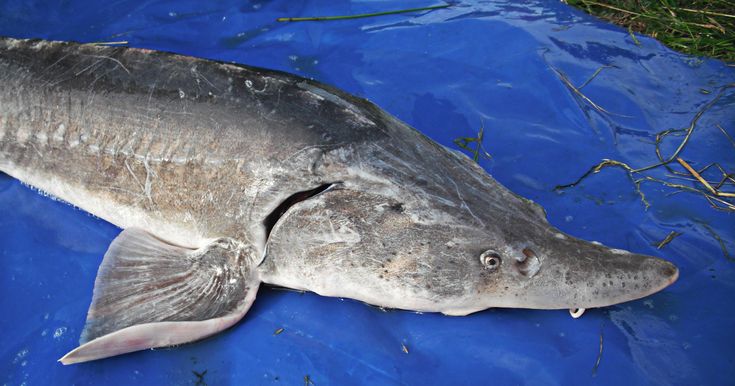
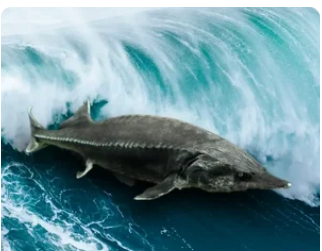
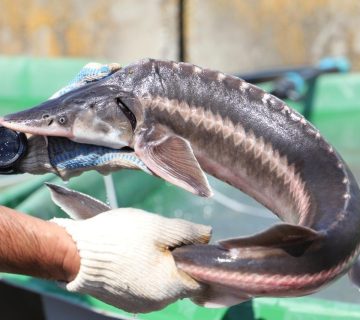
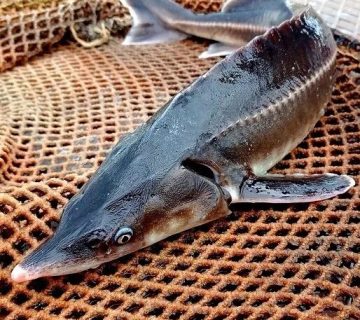
The beluga or giant sturgeon (Huso huso) is world-famous primarily for its precious caviar, but the meat of this large fish has also gained a special place in global trade as a luxury and sought-after seafood product. Iran, as one of the few countries with natural stocks and advanced beluga farming facilities, has significantly increased its exports of this fish’s meat in recent years.
Beluga meat, with its firm texture, light color, and mild flavor, has its own dedicated customers in luxury European restaurants, East Asian markets, and Caspian littoral countries. This article examines the various aspects of Iran’s beluga fish meat exports, from processing to final destinations.
Nutritional Value and Unique Features of Beluga Meat
Why is beluga meat expensive in the global market? The answer lies in its nutritional composition and texture quality:
· High Protein: Beluga meat is a rich source of easily digestible protein.
· Omega-3 Fatty Acids: Like other fatty fish, it contains significant amounts of omega-3, beneficial for cardiovascular health.
· Balanced Fat Content: Unlike some other sturgeon species, beluga fat is distributed in thin layers within the muscle, creating a delicate flavor.
· Boneless Texture: Beluga meat contains almost no small bones and is easily filleted, making it ideal for steaks and frying.
These characteristics place beluga meat in the premium fish category in global markets.
Export Processing and Packaging of Beluga Meat
To succeed in exports, beluga meat must be processed and packaged under strict standards. The most common export forms include:
1. Frozen Boneless Fillet – The most popular export form for restaurants and chain stores.
2. Steak Cut – Cross-sectional cuts of specific thickness for grilling and quick cooking.
3. Minced Meat or Frozen Blocks – For use in the food industry and production of luxury fish burgers.
4. Whole Gutted Fish – Primarily for traditional markets in Russia and CIS countries.
All these products must be stored and transported in a cold chain of -18°C. Exporters are required to obtain the following certificates:
· Veterinary Health Certificate from the country’s veterinary organization.
· HACCP Certificate for food safety management.
· CITES Certificate (Convention on International Trade in Endangered Species) confirming the fish comes from legal farming operations.
· Halal Certificate for Muslim markets (especially UAE and Arab countries).
Main Export Destinations for Iranian Beluga Meat
Beluga meat exports from Iran go to various destinations. The most important target markets are examined below:
1. Russia and Caspian Littoral Countries
Russia, Kazakhstan, and Azerbaijan, due to their shared food culture and historical familiarity with sturgeon, are among the primary buyers of Iranian beluga meat. In Russia, beluga meat is consumed as grilled steak, fish soup, and smoked fish. Geographic proximity and available land and sea transport routes reduce export costs to these countries.
2. United Arab Emirates (Dubai)
The UAE, as the region’s trade hub, is not only a final consumer of beluga meat in luxury restaurants and 5-star hotels but also acts as a re-export intermediary to other Arab countries such as Saudi Arabia, Qatar, and Kuwait. Demand for frozen beluga fillet in Dubai is steadily increasing.
3. European Union (Germany, France, Italy)
The European market, due to strict health and environmental standards, is challenging but highly profitable. European consumers seek sustainably farmed fish, and Iranian beluga meat produced in CITES-licensed farms can meet this demand.
In France and Italy, renowned chefs feature beluga meat in specialized seafood menus.
4. China and East Asia
China is rapidly becoming one of the largest consumers of sturgeon. Traditional Chinese medicine places high value on the meat and cartilage of sturgeon. Additionally, the affluent urban class in China, South Korea, and Japan shows growing interest in imported luxury fish. Beluga meat exports to China are usually in the form of frozen fillets or whole fish.
5. Domestic Market and Tourism (Indirect Exports)
A significant portion of beluga meat produced in Iran is consumed domestically, but sales to foreign tourists in international restaurants in Tehran, Kish, and Isfahan also constitute a form of indirect export and contribute to product branding.
Competitive Advantages of Iranian Beluga Meat
Why should global importers prefer Iranian beluga meat over products from other countries?
· Farming in Caspian Brackish Water: Iranian farms in Golestan, Mazandaran, and Gilan provinces use Caspian Sea water, which brings the meat flavor closer to the wild variety.
· Competitive Pricing: Production costs in Iran are lower than in Europe and America due to skilled labor and cheaper fish feed.
· Iranian Caviar Brand Reputation: The global fame of Iranian beluga caviar enhances the credibility of its by-products, including meat.
· Halal Production: The ability to obtain halal certification facilitates access to the large Muslim market.
Challenges Facing Beluga Meat Exports
Despite high potential, the export of this product faces obstacles:
· Economic Sanctions: Banking restrictions and currency transfer difficulties complicate transactions with many European and Asian buyers.
· Global Competition: Russia and China are rapidly expanding beluga farming and may threaten Iran’s market share.
· Logistics Costs: Cold chain transportation to distant destinations like Europe and East Asia is expensive.
· Insufficient Branding: Beluga meat is still not as well-known globally as caviar, requiring targeted marketing.
Conclusion
Iranian beluga fish meat is a luxury export commodity with high revenue potential. Focusing on standardized processing, digital marketing, participation in international seafood exhibitions, and developing a national brand can significantly increase Iran’s share of the global market for this product. Given the growing demand for healthy and sustainable marine proteins, the future of beluga meat exports looks promising.
Keywords used in the article:
Beluga fish meat, beluga export, giant sturgeon, sturgeon fillet, luxury fish, Iran aquatic exports, fish meat market, CITES, beluga farming, export to Russia, export to UAE.
FOR MORE INF CALL US IN
NONADSHOP.COM

PARVISICO.COM

بدون دیدگاه