
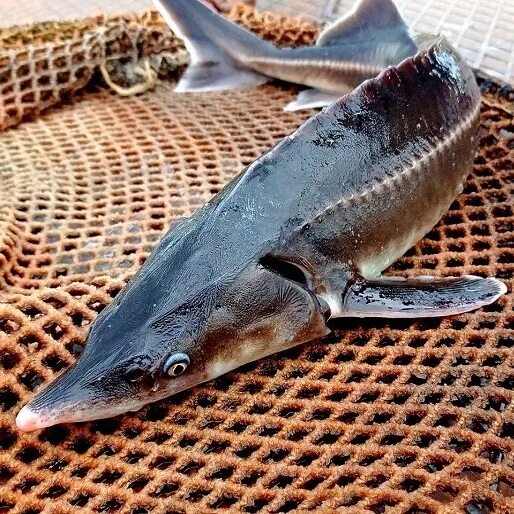
Exporting Beluga Fish Meat to Africa

Introduction
Iran is recognized as one of the largest producers of caviar and sturgeon meat in the world. While traditional European and Asian markets for Iranian caviar are saturated, Beluga fish meat (Huso huso)—as a luxury and healthy protein product—holds high potential for export to African countries. With the growth of the middle class and increasing demand for specialty seafood in Africa, now is an ideal time to market and export this strategic product.
Why Is Beluga Fish Meat Attractive to the African Market?
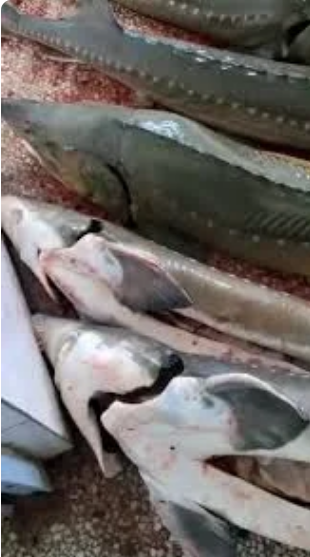
Beluga fish is not only famous for its caviar. Farmed Beluga meat is rich in protein, omega-3 fatty acids, and B vitamins. In African markets (especially in North African countries such as Egypt, Morocco, Tunisia, as well as South Africa and Nigeria), fish consumption is on the rise due to food culture and health recommendations.
Iran’s Competitive Advantage:
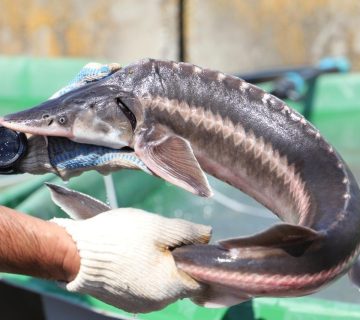
1. Farming Quality: Iranian Beluga meat, raised in standard recirculating aquaculture systems (RAS), is free from heavy metal contamination.
2. Halal Product: Given the significant Muslim population in Africa (especially in West and North Africa), halal certification is a unique competitive advantage for Iranian exporters.
3. Freshness and Processing: The ability to ship frozen and filleted makes transportation easier over long distances.
Analysis of African Target Markets for Beluga Meat
To succeed in exporting Beluga fish meat, markets must be segmented:
1. North African Countries (Egypt, Algeria, Morocco)
Due to their geographical proximity to Europe and the Middle East, these countries have a luxury-oriented palate. Five-star hotels and international restaurants in Cairo or Casablanca seek specialty fish for their seafood menus. Direct air cargo from Tehran to these destinations reduces logistics costs.

South Africa
This country has the most advanced cold storage and port infrastructure on the African continent. The South African market places great importance on organic and sustainable products. If you can provide EU health certification or similar standards, entering this market will be much easier.
Nigeria and West Africa
With a population of over 200 million, Nigeria is the continent’s largest economy. Although general purchasing power is limited, the affluent class (High Net Worth Individuals) in cities like Lagos and Abuja has a growing demand for imported and luxury seafood.
Logistics of Exporting Beluga Meat to Africa
One of the main challenges is maintaining the cold chain over long distances.
· Sea Freight: Cost-effective for large frozen shipments. Main destination ports include Durban (South Africa), Tema (Ghana), or Alexandria (Egypt).
· Air Freight: For fresh/chilled orders and smaller volumes. Using cargo flights from Imam Khomeini Airport to Johannesburg or Cairo.
· Packaging: Using vacuum-packed packaging with English and French branding (as these are official languages in many African countries) is essential.
Challenges and Solutions for Entering the African Market
Challenge 1: Pricing



بدون دیدگاه