
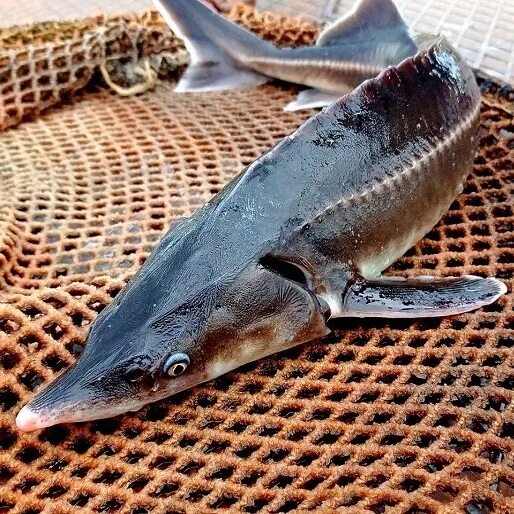
Export of Beluga Fish Meat to Caspian Sea Littoral Countries From Target Markets to Principles of Sea Freight
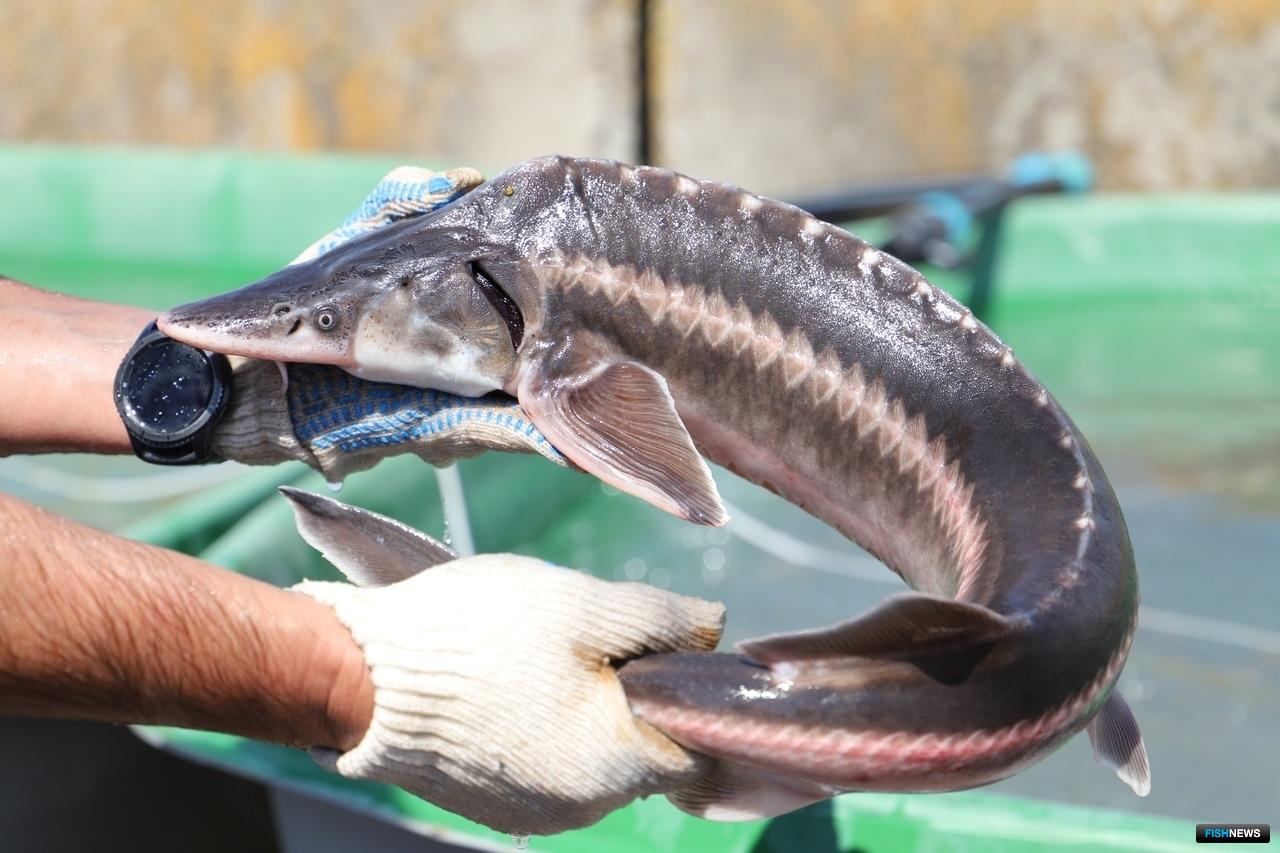
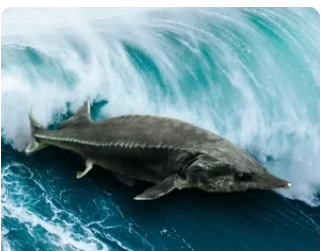
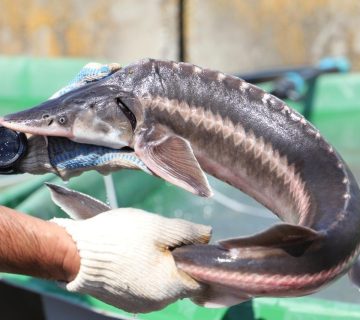
Beluga fish meat (Huso huso), as a luxury and high-demand aquaculture product, has gained a special position in regional trade among the Caspian Sea littoral countries in recent years. Geographic proximity, active northern Iranian ports, and growing demand in Russia, Kazakhstan, Azerbaijan, and Turkmenistan have made the export of this product one of the attractive economic options for Iranian producers and traders. In this article, we examine the export trend of beluga meat to the Caspian region and explain the practical principles of sea freight for this sensitive product.
Export Trend of Beluga Meat to Caspian Sea Littoral Countries
Main Target Markets in the Caspian Region
The Caspian littoral countries include Russia, Kazakhstan, Azerbaijan, Turkmenistan, and Iran. Among these, the main import markets for beluga meat are:
· Russia: The largest consumer of sturgeon products in the region. Cities such as Astrakhan and Makhachkala have a long history of trading caviar and beluga meat.
· Kazakhstan: Especially the coastal cities of Aktau and Atyrau, due to the growth of luxury restaurants and a culture of sturgeon consumption, are growing importers of this product.
· Azerbaijan: Baku, as a regional food and tourism hub, has a steady demand for fresh and frozen beluga meat.
· Turkmenistan: A smaller but developing market, particularly for frozen products at competitive prices.
Growth Drivers and Current Trends
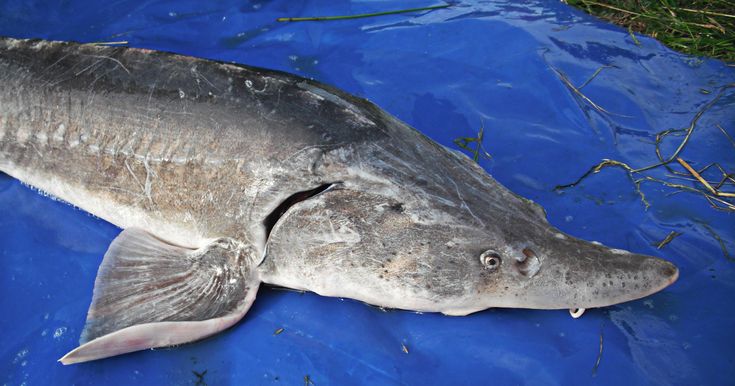
· Development of sturgeon aquaculture in Iran: Iran, with its numerous beluga farms, has established itself as a legal supplier of beluga meat and caviar.
· Wild catch restrictions: Wild beluga is listed as endangered under CITES, and commercial fishing is prohibited. Therefore, only meat from licensed farms can be exported. This gives Iranian farmed products a competitive advantage.
· Demand for luxury and healthy products: Beluga meat, with its white texture, low fat content, and mild flavor, has found a place in high-end restaurant menus and specialty stores in Caspian countries.
· North–South Corridor: The activation of combined transport routes and northern Iranian ports has reduced the cost and time of shipping to Caspian littoral states.
Legal and Commercial Challenges
· CITES permit: Each export shipment of beluga meat must have a CITES export permit obtained from the relevant environmental organization or national authority.
· Tariffs and sanitary regulations: Destination countries have strict rules regarding product health, packaging, and veterinary certificates.
· Competition with domestic producers: Russia and Kazakhstan have their own sturgeon farms; therefore, quality, price, and branding are crucial.
Principles of Sea Freight for Beluga Fish Meat

Sea transport of beluga meat to Caspian littoral countries, due to the perishable nature of the product, requires strict adherence to the cold chain, standard packaging, and legal formalities. Below we examine the most important principles.
1. Maintaining the Cold Chain and Choosing Freezing Mode
Beluga meat for sea freight is usually shipped frozen. Storage temperature must be at least −18 °C or lower to preserve quality, texture, and flavor. For very short routes (e.g., Anzali to Baku), a chilled state at 0–2 °C with gel ice can be used, but the risk of spoilage is higher.
2. Standard Export Packaging
· Meat must be vacuum-packed and then placed in hygienic cardboard boxes or food-grade plastic containers.
· Each package must have Persian and English labels including product name, weight, production date, expiration date, storage conditions, and traceability code.
· Use of wooden pallets with ISPM-15 certification is mandatory to prevent pest introduction into the destination country.
3. Use of Refrigerated Containers (Reefer)
A refrigerated container or Reefer Container is the most important tool for sea transport of frozen products. These containers must:
· Be pre-cooled to the desired temperature before loading.
· Be equipped with data loggers or continuous temperature recording systems.
· Remain connected to the ship’s power supply and have automatic internal temperature control throughout the journey.
· Be inspected for the integrity of the refrigeration system, insulation, and doors.
4. Loading, Unloading, and Port Handling
· Loading and unloading operations must be carried out in the shortest possible time and preferably in shaded or covered areas.
· Avoid prolonged stops of the container on the dock or at ports without power connection.
· If intermediate storage is needed, use port cold stores with appropriate temperatures.
5. Documents, Permits, and Customs Formalities
For legal export of beluga meat by sea, the following documents are essential:
Document Description
CITES Permit Mandatory for beluga species and must accompany the shipment.
Veterinary Health Certificate Issued by the veterinary authority of the country of origin to confirm product safety.
Certificate of Origin To benefit from preferential tariffs in some countries.
Bill of Lading Transport document issued by the shipping company.
Commercial Invoice and Packing List Including goods description, number of packages, weight, and value.
Destination Quarantine Health Permit May be required depending on the importing country’s regulations.
6. Marine Cargo Insurance and Risk Management
· Because of its high value and temperature sensitivity, beluga meat cargo must be covered by Marine Cargo Insurance of the All Risks type.
· Insurance coverage must include temperature fluctuations, delay in transit, theft, and physical damage.
· In the sales contract, specify international commercial terms (Incoterms) such as FOB, CIF, or CFR precisely to clarify responsibilities.
7. Route and Port Selection
Northern Iranian ports and main destinations in the Caspian region:
· Origin ports in Iran: Anzali, Amirabad, Nowshahr, Astara
· Destination ports:
· Russia: Astrakhan, Makhachkala
· Azerbaijan: Baku
· Kazakhstan: Aktau
· Turkmenistan: Turkmenbashi
Origin port selection should be based on proximity to production site, cold storage facilities, and regular shipping lines. The Caspian route is usually short—between 1 and 4 days depending on destination—but delays at ports can threaten the cold chain.
Conclusion
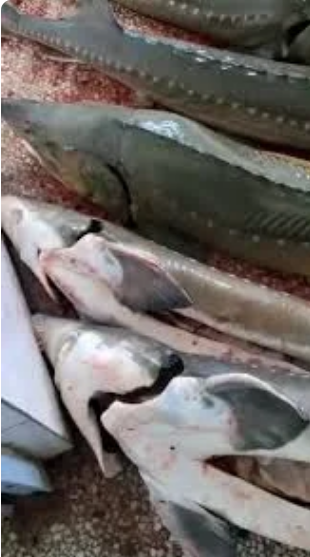
Exporting beluga fish meat to the Caspian Sea littoral countries is a growing commercial opportunity for Iranian producers, provided all legal, sanitary, and transport requirements are met. Current market trends show increasing demand for high-quality, CITES-licensed farmed products in Russia, Kazakhstan, Azerbaijan, and Turkmenistan.
The principles of sea freight for this product include maintaining the cold chain, standard vacuum packaging, use of refrigerated containers, rapid loading/unloading, complete documentation, and cargo insurance. By following these points, beluga meat can be delivered to Caspian target markets with minimal risk and maximum quality, securing a good share of this regional trade.
FOR MORE INF CALL US IN
NONADSHOP.COM

PARVISICO.COM


بدون دیدگاه