
Reasons for the Low Volume of Iran’s Chicken Paw Exports to Interested Countries
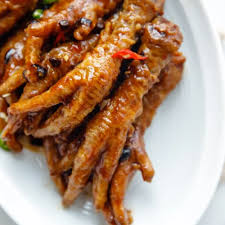
In a world where the trade of protein products is highly prosperous, Iran’s export of chicken paws faces numerous challenges despite international demand. Today, we will comprehensively examine the causes of the decline in exports of this product and explore potential solutions to overcome these obstacles.
One of the fundamental and primary shortcomings is the lack of sufficient information and the provision of materials tailored to enhancing the comprehensive knowledge of Iranian traders for entering the field of chicken paw exports.

NONADSHOP, aware of these issues and due to its extensive export experience and supply of high-quality export goods, seeks collaborative efforts to provide appropriate supply and cooperation in the field of Iran’s chicken paw exports. All aspects, from supply to logistics, food quality, and standards, are considered within the framework. The company, with its capacity to supply large tonnages of goods, can be introduced as an experienced trade partner.
- Transportation and Logistics Challenges

One of the main obstacles to exporting Iran’s chicken paws is international transportation problems. According to published reports, Iran’s transportation fleet faces major challenges. For example, the land fleet, due to its aging condition, is not permitted to enter the European Union, and visas are not issued for drivers. Additionally, in maritime transport, high costs must be incurred due to expensive marine insurance. Delays at borders caused by queues exceeding 15 kilometers reduce demand from target markets and lead to the loss of longstanding customers.
-
Limitations Due to Sanctions
International sanctions have significantly impacted the reduction of Iranian exports, including chicken paws. These sanctions have complicated monetary and banking transactions, resulting in many countries being reluctant to trade with Iran.
-
Domestic and Economic Issues

Iran’s domestic economic situation also plays a significant role in reducing chicken paw exports. Fluctuations in the exchange rate and its multi-tiered nature have made it difficult for exporters to accurately calculate production and export costs. On one hand, producers procure raw materials and necessary goods at the free market exchange rate, but they must return the export currency to the banking system at the Nemai rate, which reduces export profits. Furthermore, weak domestic purchasing power has led producers to focus more on meeting domestic needs rather than exports.
- Quality and Standardization Challenges
Non-compliance with international standards is another factor reducing chicken paw exports. Many importing countries impose strict standards for food products, and adhering to these standards requires investment in technology and production processes. Given the sanctions and financial limitations, Iranian producers may struggle to meet these standards easily.
-
Competition in International Markets
The global market for protein products is highly competitive, with other countries such as Brazil, the United States, and Thailand holding significant shares. These countries often benefit from export subsidies and government support, allowing them to offer their products at lower prices. In contrast, Iranian producers face high production costs and insufficient government support.
Solutions to Improve Chicken Paw Exports
-
Improving transportation infrastructure: Investing in modern transportation fleets and reducing logistics costs.
-
Removing banking obstacles: Establishing financial mechanisms to facilitate international monetary transactions.
-
Government support: Providing export incentives and reducing bureaucratic red tape.
-
Quality enhancement: Investing in technology and production processes to comply with international standards.
-
Developing new markets: Identifying and targeting new markets in countries less affected by sanctions.


بدون دیدگاه