
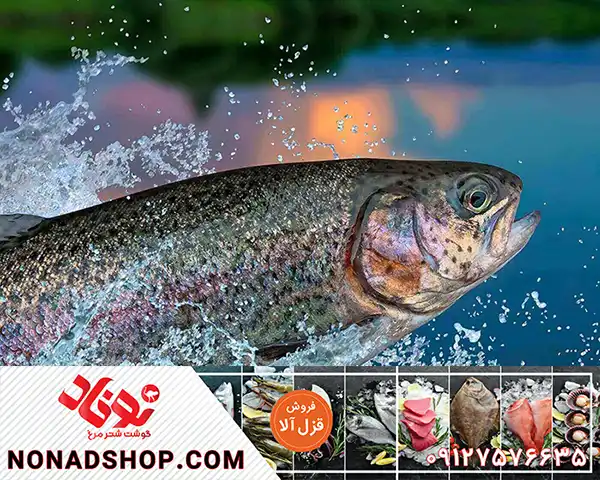
Trout reproduction strategy in nature

Not only growth but also successful reproduction of fish depends on their environment. For this reason, different fish species have evolved and developed different reproductive strategies, which are characteristic of each fish species, to ensure the production of successful offspring even under conditions of fluctuations in their environment. The reproductive strategy of fish includes the age of reproduction, age- and size-specific fecundity, egg size, reproductive behaviors and the number of spawnings that occur during the reproductive life of the female.
Reproductive age and number of spawnings during the life of trout broodstock In different fish species, the duration of sexual maturity of males and females may vary between several months and several years.
Sexual maturity of trout depends on the species, sex and environmental conditions (water temperature, nutritional conditions, etc.) in which the fish lives and grows (Table 1). Brown and lake trout in Iran generally do not reproduce and are only included for comparison with rainbow trout.

Trout fishing
Spawning fecundity in bony fish species depends on the size of the eggs produced and their care. Spawning in fish is expressed in two ways: absolute fecundity is the number and weight of eggs produced by a spawner, and relative fecundity is the number and weight of eggs produced relative to the weight of the spawner. A summary of the fecundity of trout species is presented in Table 2.
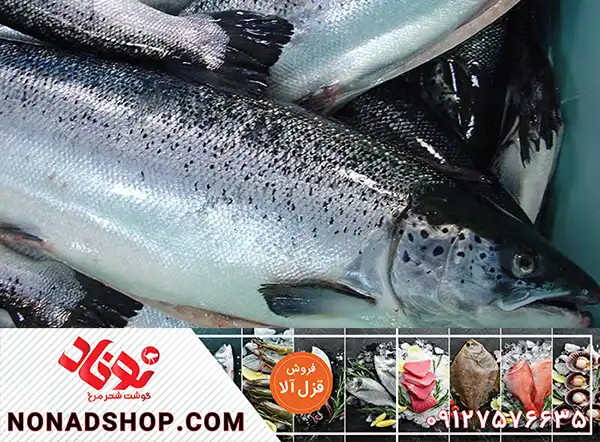
Size of trout eggs
The size of fish eggs and the size of the yolk sac indicate the developing embryo and the larva with the yolk sac (Figure 9). Salmon eggs are larger than those of other bony fish.
Their eggs range in size from 3.7 to 5.2 mm (32 to 100 mg). The eggs of small, young broodstock may be smaller than those of large, older broodstock. The eggs of 5- to 6-year-old broodstock are the largest, but the quality and quantity of food also affect their size, and 1,000 eggs may have a volume of 79 to 90 cubic centimeters. The large size of trout eggs is due to the long incubation period and the long larval period.
Figure 9: Stages of development of rainbow trout eggs from fertilization to fry at 10°C One – moment of fertilization Two – first blastula stage (7.5 hours) Three – last blastula stage (13.5 hours) Four – beginning of gastrula stage (3.5 days) Five – embryo about 3.1 mm and with rudimentary eyes (7.5 days) Six – embryo about 5 mm and heart begins to beat (12 days) Seven – embryo about 7.5 mm and eye pigments are formed (16 days) Eight – hatching when larva is 14-14.5 mm (34 days) Nine – larva about 18 mm and adipose fin is evident (day 42) Ten – 2/3 of yolk sac consumed and air swallowed from the atmosphere (day 52) Eleven – Larvae are about 21 mm long and the edges of the pectoral, pelvic and caudal fins are beginning to emerge (day 59) Twelve – Yolk sac almost completely blackened (day 70) Thirteen – Yolk sac completely consumed (day 85)

NONADSHOP GROUP with the best and highest ability for help to trader can become best teammate for your business




بدون دیدگاه