
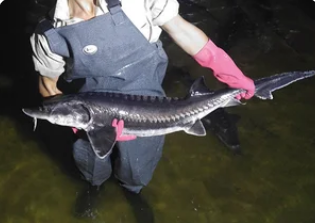
Comprehensive Checklist for Iranian Beluga Sturgeon Exporters: From Permits to Delivery
Introduction:The Achilles’ Heel of Beluga Export
The export of Beluga sturgeon and its derivatives (especially caviar) is one of the most profitable yet complex sectors of Iran’s fisheries industry. Many Iranian exporters face challenges rooted in a lack of awareness of precise international requirements or weaknesses in domestic documentation. Even with the highest quality product, a single error in paperwork can lead to shipment rejection, heavy fines, or cargo detention at the destination port.
This article serves as a strategic guide, detailing all the legal, hygienic, environmental, and commercial requirements that an Iranian exporter must verify before loading the container or air freight.
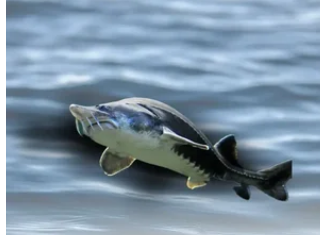
Legal and Environmental Requirements (The Most Critical Challenge)
Since the Beluga species (*Huso huso*) is endangered, its trade is under strict supervision.
1.1) CITES Convention (Convention on International Trade in Endangered Species of Wild Fauna and Flora)
Beluga is listed in Appendix I of this convention. This means:
* Dual Permits: To export to most countries, in addition to the export permit from Iran, you need an import permit from the destination country.
* Non-Natural (Farmed) vs. Natural Origin: It must be clearly specified whether the Beluga is farmed or wild-caught. Export of wild-caught Beluga is almost entirely banned in modern markets.
* Identification Code: Each shipment must have a unique tracking code demonstrating its farmed origin and health status.
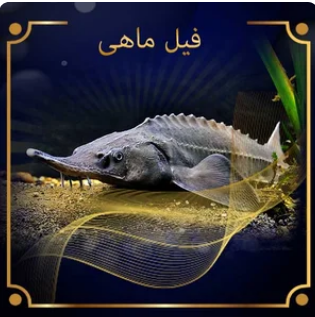
Domestic Permits (Ministry of Jihad Agriculture & Department of Environment)
* Aquatic Health Certificate: The exporter must obtain a health certificate from the Veterinary Organization or Provincial Fisheries Department confirming the absence of microbiological/chemical contaminants.
* Export License: Registration of the order and obtaining an export license from the Comprehensive Trade System (NTSW).
* Environmental Approval: Confirmation that the production source holds the necessary environmental permits.
Hygienic and Quality Requirements (Target Market Standards)
Each target market has its own specific standards. The two main markets are discussed below:
European Union (EU) Standards
Europe is the most stringent market for caviar and sturgeon products.
* Regulation EC No 70/2005: Strict restrictions on importing caviar from Iran due to animal diseases (such as avian influenza in certain regions). *Note: Check the latest status of EU restrictions before proceeding.*
* Antibiotic and Heavy Metal Control: Sampling of each shipment and sending laboratory results to EU-approved laboratories.
* Full Traceability: The ability to trace the fish from the farm to the store shelf.
2.2) Russian and Central Asian Standards
* Russian Veterinary Certificate (Vet Certificate): Must be issued and approved by the Iranian Veterinary Organization.
* Brand Registration: In some cases, registering the brand or product with Russian health organizations is required.
Packaging and Labeling Requirements
Beluga packaging must be protective and provide mandatory information in the destination country’s language.
### 3.1) Mandatory Label Information
According to international laws (FDA for the USA, EFSA for Europe), the label must include:
-
Product Trade Name (e.g., Beluga Caviar)
-
Scientific Name (*Huso huso*)
-
Country of Origin (IRAN)
-
Production Code (Lot Number) and Production/Expiration Date
-
Storage Conditions (e.g., Keep Frozen at -20°C)
-
Net Weight
-
Name and Address of Exporter/Manufacturer
-
CITES Logo (if applicable)
3.2) Packaging Materials
* Use of non-toxic (Food Grade) materials.
* In Europe, preference is given to recyclable or biodegradable materials.
* Packaging must be resistant to impact and extreme temperature fluctuations during transport.
Due to banking sanctions, this section is one of the most complex challenges
* Currency Transfer Methods: Use of reputable exchange houses, indirect bank transfers, or barter trade.
* Shipping Documents: Precision in the beneficiary’s name on commercial documents (Invoice, Packing List, Bill of Lading) to prevent funds from being blocked in intermediary banks.
* Cargo Insurance: Ensuring comprehensive insurance coverage for frozen and high-value shipments.
5) Logistical and Transport Requirements (Cold Chain)
Beluga sturgeon and caviar are highly sensitive to temperature.
* Reefer Containers: Setting the temperature to the precise required level (e.g., -20°C for frozen caviar).
* Data Loggers: Placing devices in the container to record temperature throughout the journey. Providing these data logs to the customer at the destination builds trust.
* Customs Clearance Speed: Coordiation with customs brokers specialized in perishable goods to prevent cargo stagnation at the port.
Final Checklist for Exporters (Before Loading)
| 1 | Obtaining CITES Permits (Export and Import)
| 2 | Veterinary Health and Laboratory Approval
| 3 | Order Registration in Comprehensive Trade System
| 4 | Design and Printing of Labels in Destination Language
| 5 | Final Quality Test and Precise Weighing
| 6 | Booking Reefer Container and Insurance
| 7 | Coordination with Buyer for Financial Documents
Conclusion
Exporting Beluga sturgeon from Iran, although accompanied by significant legal and environmental challenges, has very high revenue potential. The key to success lies in documentation accuracy, adherence to hygienic standards, and strategic selection of target markets. Iranian exporters can solidify their position in global luxury markets by becoming transparent and reliable suppliers who easily provide their documents.


بدون دیدگاه