
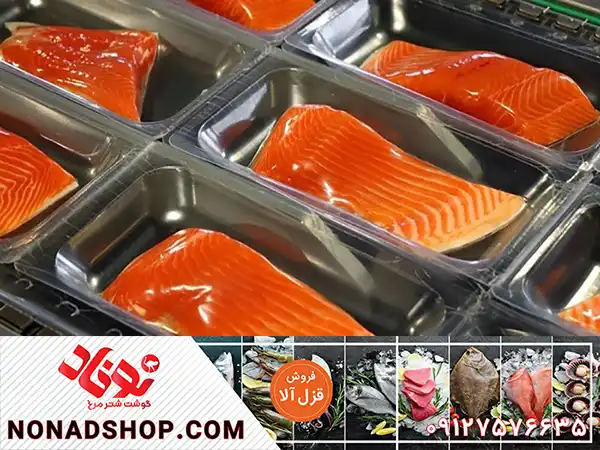
Iran Salmon Export to Southern Africa 2025 and Supply for the SADC Region
The New Seafood Corridor: Iran to the Heart of Southern Africa
The global seafood trade is undergoing a significant geographical shift, and at the heart of this transformation is the burgeoning export relationship between Iran and the Southern Africa region. In 2025, the export of sustainable salmon from Iran has become a critical and lucrative supply chain, feeding the growing demand for high-quality protein across Southern African countries. This essay explores the dynamics, opportunities, and future of Iran’s salmon export initiative to Southern Africa
Driving Forces: Why Southern African Demand for Iranian Salmon is Booming
Several key factors have converged to make 2025 a landmark year for this trade route

-
Rising Middle Class in the SADC Region: With increased urbanization and disposable income, consumers in nations like South Africa, Namibia, Botswana, Mozambique, and Zimbabwe are seeking diverse and nutritious protein sources. Salmon, rich in omega-3s, perfectly aligns with this demand.
-
Advancements in Iranian Aquaculture: Iran has invested heavily in its aquaculture sector, particularly along the Caspian Sea. Modern, biosecure farms now produce high-volume, quality-controlled salmon, making Iranian fish exports competitive on the global stage.
-
Supply Chain Diversification: Southern African importers, especially in South Africa as the regional hub, are actively diversifying their suppliers. Iran presents a reliable alternative to traditional salmon sources from Europe and the Americas.
-
Economic Synergy: Competitive pricing and favorable trade agreements have made the frozen salmon market in Southern Africa highly accessible for Iranian exporters, creating a win-win economic partnership.
Navigating the Logistics: Cold Chain and Market Access in Southern Africa
The success of Iran’s salmon exports to Southern Africa hinges on sophisticated logistics. In 2025, the cold chain infrastructure connecting the Caspian Sea to Southern African ports is more robust than ever:
-
Cold Chain Integrity: Immediately after processing at plants in Northern Iran, salmon is flash-frozen and transported via refrigerated trucks to major ports. State-of-the-art reefer containers ensure the product remains at optimal temperatures during sea transit to key Southern African ports such as Durban, Cape Town, Walvis Bay, and Maputo.
-
Key Southern African Markets: The primary entry points are well established. South Africa acts as the gateway to the entire SADC region, with product channeled through distribution hubs in Johannesburg to landlocked countries like Botswana, Zimbabwe, and Zambia. Namibia and Mozambique, with their own port access, form growing markets in their own right. Distributors in these hubs then direct the product to supermarkets, hotels, and restaurants across the region.
The 2025 Competitive Landscape and SEO Strategy for the Southern African Region
For an Iranian salmon exporter, a strong digital presence is no longer optional. In 2025, B2B buyers in Southern Africa use highly specific search terms. A successful SEO strategy must target phrases like:
-
“Buy bulk frozen salmon Iran for South Africa”
-
“Sustainable Caspian salmon suppliers for SADC region”
-
“Halal certified salmon exporters to Southern Africa”
-
“Price of Iranian salmon per ton 2025 Durban”
-
“Sea freight salmon Iran to Namibia and Mozambique”


بدون دیدگاه