

Shrimp-Dependent Food Industries
Abstract
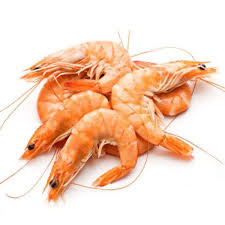
Shrimp, as the most valuable commercially traded aquatic product in the world, forms the backbone of extensive food industries in more than 40 countries. The global shrimp market was valued at approximately USD 78–130 billion in 2025 and is projected to reach about USD 135 billion by 2032. This article provides a comprehensive review of shrimp-dependent food industries, from aquaculture and processing to global trade, circular economy, and environmental challenges.
Introduction
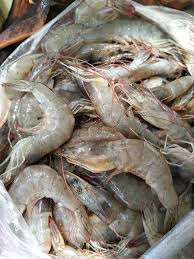
The shrimp industry is today considered one of the most dynamic sectors of the global food industry. Shrimp is not only the most valuable animal protein traded internationally, but it is also recognized as a flagship commodity for measuring countries’ economic performance. Shrimp aquaculture grew by 8.8% annually between 2000 and 2020, bringing global supply to 8 million tons. This growth is owed to rising demand for protein-rich foods, the development of farming technologies, and improvements in cold chain infrastructure.
Global Market Size and Growth Forecast
The global shrimp market is growing steadily. According to various reports, the market value will rise from about USD 78 billion in 2025 to USD 134.91 billion by 2032, representing a compound annual growth rate (CAGR) of 8.07%. The Asia-Pacific region, with a 43.8% share in 2025, is the largest regional market, while Europe will experience the fastest growth, with a CAGR of 7.41%.
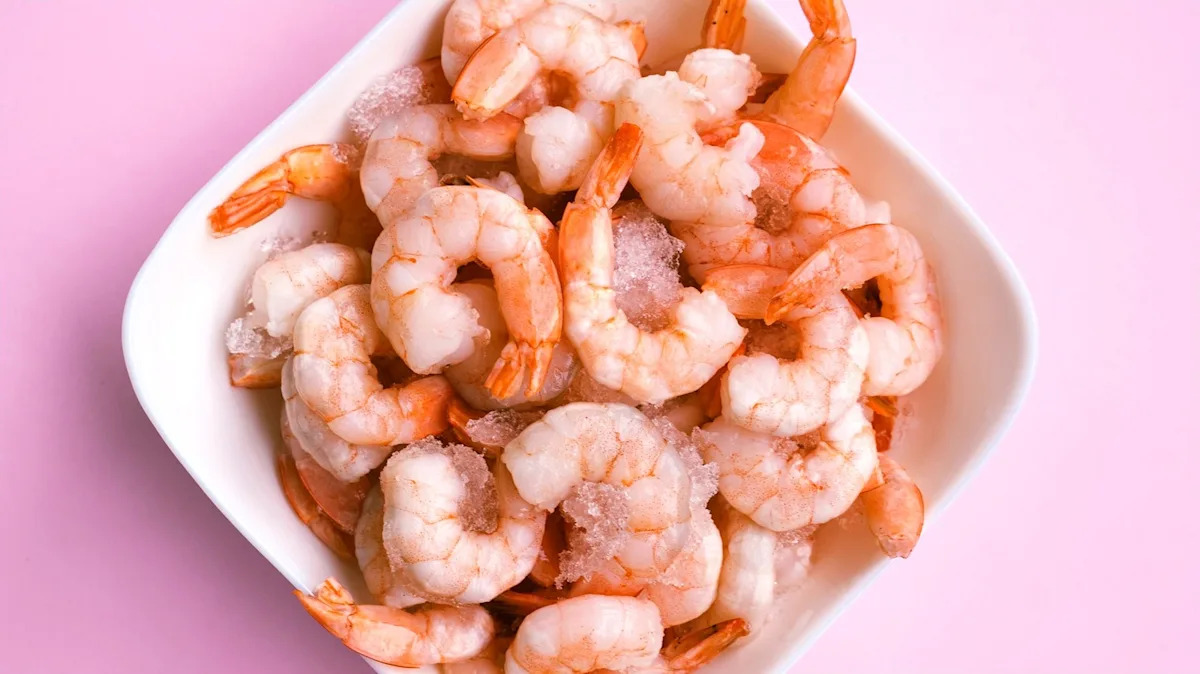
The frozen shrimp segment has the fastest growth among product forms and is expected to grow at a CAGR of 6.62% through 2034. Demand for ready-to-cook and processed products, especially in the food service and retail sectors, is the main driver of this growth.
3. Global Production and Leading Countries
3.1. Top Five Producers
Global farmed shrimp production was assessed positively in 2025. The top five producers are:
· China: 2.56 million tons (vannamei: 2.4 million tons; black tiger: 160,000 tons)
· Ecuador: 1.7 million tons (entirely vannamei)
· India: 1.05 million tons
· Vietnam: 800,000 tons
· Indonesia: 300,000 tons
Ecuador has performed more successfully than many Asian countries due to low stocking density and an increased number of annual production cycles. With 22,000 hectares of farming area and production of about 1.5 million tons, the country accounts for nearly one-third of global vannamei shrimp production.
3.2. Processing Hubs
India, with about 350 processing and export plants, mainly along the eastern coast, is recognized as one of the top five shrimp exporters in the world and has integrated capabilities from hatchery to export. China and Vietnam also have strong processing systems, but India has a significant competitive advantage in processed shrimp exports due to lower labor costs and established processing infrastructure.
4. Global Trade and Key Players
4.1. Leading Exporters
Global shrimp trade reached USD 23.5 billion in 2025, showing 10.3% growth compared with the previous year. The leading exporters are:
Country Export Value (2025) Growth
Ecuador USD 7.5 billion +23%
India USD 5.62 billion (frozen shrimp) Historic record
Vietnam USD 4.6 billion +19%
Indonesia ~USD 1.4 billion Decline due to U.S. tariffs
4.2. Leading Importers
The United States is the world’s largest shrimp buyer and imported about 795,641 tons of shrimp worth USD 7.0 billion in 2025. The European Union, Japan, and China are also major destinations for shrimp exports.
4.3. Impact of Tariffs on Trade
Tariffs imposed by the United States in 2025 have reshaped trade patterns. India, facing a 50% tariff, changed its marketing strategy and focused on exports to the Far East and Europe. Higher tariffs on Vietnam (46%) and Indonesia (32%) also increased global prices.
5. Shrimp Value Chain: From Farm to Table
5.1. Farming and Aquaculture
9.2. Health Orientation
Consumers have turned to shrimp for health reasons. Shrimp is recognized as a healthy dietary option and a source of low-fat protein, which further increases demand for it.
10. The Shrimp Industry in Iran
Iran, as one of the emerging shrimp producers in the region, saw a remarkable 37% growth in production in 2025. Farmed shrimp production increased from 45,000 tons to more than 62,000 tons, driven by better disease control and improved farm productivity. More than 80% of Iran’s shrimp production is exported to European and regional markets, and this industry is considered an important source for diversifying the country’s non-oil economy.
Conclusion and Future Outlook
Shrimp-dependent food industries are at a turning point in their evolution. Growing global demand for healthy and sustainable proteins, along with technological innovations in farming, processing, and packaging, provides significant opportunities. However, sustainability challenges—including the carbon footprint of feed, deforestation, and effluent management—require investment in new technologies such as IMTA and sustainable feed alternatives. Moving toward full utilization of shrimp (100% shrimp) and converting waste into value-added products not only helps improve industry profit margins but also supports environmental sustainability. The global shrimp market is expected to continue growing at a CAGR of 5.5% to 8% in the coming years, and producing countries that focus on transparency, traceability, and sustainability certifications will enjoy a greater competitive advantage.
For more info call us
Nonadshop.com
Parvisico.com




بدون دیدگاه