
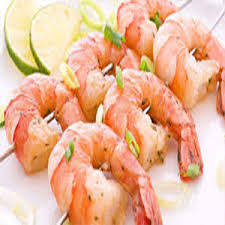
Differences Between Saltwater and Freshwater Shrimp
Keywords: saltwater shrimp, freshwater shrimp, difference between saltwater and freshwater shrimp, warm-water shrimp, cold-water shrimp, nutritional properties of shrimp, shrimp farming, buying and cooking shrimp
Meta Description: A complete review of the differences between saltwater and freshwater shrimp in terms of biology, nutritional value, taste and texture, market price, cooking methods, and farming challenges; a practical guide for better selection, purchase, and cooking.
One Name, Two Different Worlds
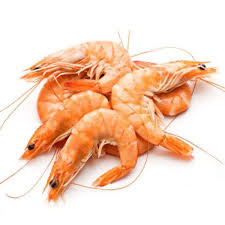
Shrimp is one of the most popular seafood items in the world, found in more than 2,000 species across the globe. But what appears to be a single product is actually divided into two completely distinct categories: saltwater (marine) shrimp and freshwater (inland) shrimp. These two groups differ not only in habitat and biology but also significantly in nutritional value, taste, texture, market price, and cooking methods. Understanding these differences is highly important for consumers, chefs, wholesale buyers, and food industry professionals.
1. Biological Differences: Adaptation to Water Salinity
Osmoregulation Mechanism
The most fundamental difference between saltwater and freshwater shrimp lies in their osmoregulation ability. Marine and estuarine shrimp of the genus Palaemon have highly advanced hyper- and hypo-osmoregulatory abilities within a moderate salinity range, while freshwater shrimp of the genus Macrobrachium have variable hyper-osmoregulatory capacity and cannot survive at high salinities. Unlike older freshwater crustaceans, freshwater shrimp do not produce hypotonic urine to conserve salt, and their blood osmotic values remain high.
Differences in Key Species
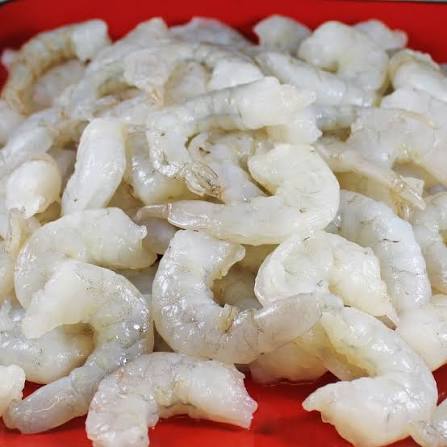
The most prominent commercial species of both groups are:
· Saltwater shrimp: tiger shrimp, white ocean shrimp, banana shrimp, pink shrimp, Pandalus borealis (northern cold-water shrimp), and black tiger shrimp.
· Freshwater shrimp: Macrobrachium rosenbergii (giant freshwater prawn), Japanese river shrimp, clawed shrimp, and freshwater crayfish.
Sexual Dimorphism in Freshwater Shrimp
One unique feature of freshwater shrimp is strong sexual dimorphism. Adult males appear in three different forms: blue-clawed males with large blue claws, orange-clawed males with orange claws, and small males that exhibit female-like behavior to avoid attack by dominant males. This phenomenon is very rare in saltwater shrimp and plays an important role in farm management.
2. Nutritional Differences: Protein, Fat, and Minerals
Protein and Fat
Scientific studies show that shrimp farmed in saltwater have higher crude protein, lower moisture, and higher meat pH compared with shrimp farmed in low-salinity water, although no significant difference has been observed in crude fat and ash. Comparative research between salt pan shrimp (farmed at salinity above 30 ppt) and freshwater shrimp shows that saltwater shrimp have higher protein and ash and lower fat.
Amino Acid Composition
Both shrimp groups contain 18 amino acids, with glutamic acid being the highest, followed by aspartic acid. The ratio of essential amino acids to total amino acids in both groups is above 35.38%, and the essential amino acid index is well above 100, indicating excellent amino acid balance and high nutritional value in both groups.
Minerals and Active Compounds
The most important nutritional difference is seen in mineral content and active compounds. Saltwater shrimp farmed at high salinity have significantly higher calcium, sodium, chloride, and magnesium than freshwater shrimp. Also, taurine and astaxanthin (a red antioxidant pigment) are much higher in saltwater shrimp than in freshwater shrimp.
Flavor Compounds
In terms of flavor compounds, saltwater shrimp have higher free amino acids (up to 3,119.88 mg per 100 g), and compounds such as betaine, tartaric acid, lactic acid, and succinic acid are more abundant in them. These compounds enhance the sweet and umami taste of saltwater shrimp.
3. Differences in Taste and Texture
Saltwater Shrimp
Saltwater shrimp are generally smaller and have a more delicate texture. Their taste is saltier and more umami, and sensorially they have higher umami, sweetness, and overall taste compared with freshwater shrimp, with less earthy-musty flavor detected. Research shows that saltwater shrimp have stronger umami, more sweetness, and superior overall taste and less earthy-musty flavor.
Freshwater Shrimp
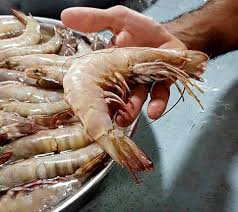
Freshwater shrimp are larger (sometimes up to 30 cm long) and have firmer, meatier flesh. Their taste is mild and slightly sweet, and some compare it to cooked lobster. In terms of texture, freshwater shrimp are meatier and more filling, and in some studies, their juiciness received the best evaluation.
4. Differences in Price and Market
Pricing Patterns
In general, the price of saltwater shrimp in the domestic market is higher than that of freshwater shrimp, because the cost of saltwater shrimp farming is higher and their quality and taste are also considered superior. However, this rule has important exceptions: large freshwater shrimp (such as Macrobrachium rosenbergii) can command a price equal to or even higher than marine shrimp in international markets. For example, in the Myanmar market, freshwater shrimp costs about US$17.49 per kilogram**, while Vannamei saltwater shrimp is about **US$10.20. Also, small freshwater shrimp (such as river shrimp) may be priced higher than large marine shrimp due to farming difficulties and high mortality.
Farming Cost Differences
Farming saltwater shrimp requires seawater or artificial saltwater, which is more expensive, while freshwater shrimp are farmed with dechlorinated municipal water. Freshwater shrimp also have specific challenges: during molting, cannibalism occurs and the survival rate decreases, which affects the final price.
5. Differences in Cooking Methods and Culinary Uses
General Cooking Principles
Freshwater shrimp cook faster than saltwater shrimp and should not be overcooked. Therefore, a shorter time should be considered when cooking them.
Freshwater Shrimp in Cooking
The large size and mild, sweet taste of freshwater shrimp make them ideal for dishes where shrimp plays the main role. These shrimp can be grilled with olive oil, combined with spices and bold flavors, or cooked in garlic butter. Their meaty texture and sweet taste also make them a budget substitute for lobster in recipes such as lobster rolls.
Saltwater Shrimp in Cooking
Saltwater shrimp are the best choice for dishes where you want a strong umami flavor. You can balance their saltiness with a little acid (such as shrimp scampi), or use their flavor in shrimp gumbo. Their smaller size also has a particular advantage: in dishes such as shrimp fried rice, where even distribution of shrimp is important, they are considered an ideal option.
6. Environmental Challenges and Sustainability
Saltwater Shrimp
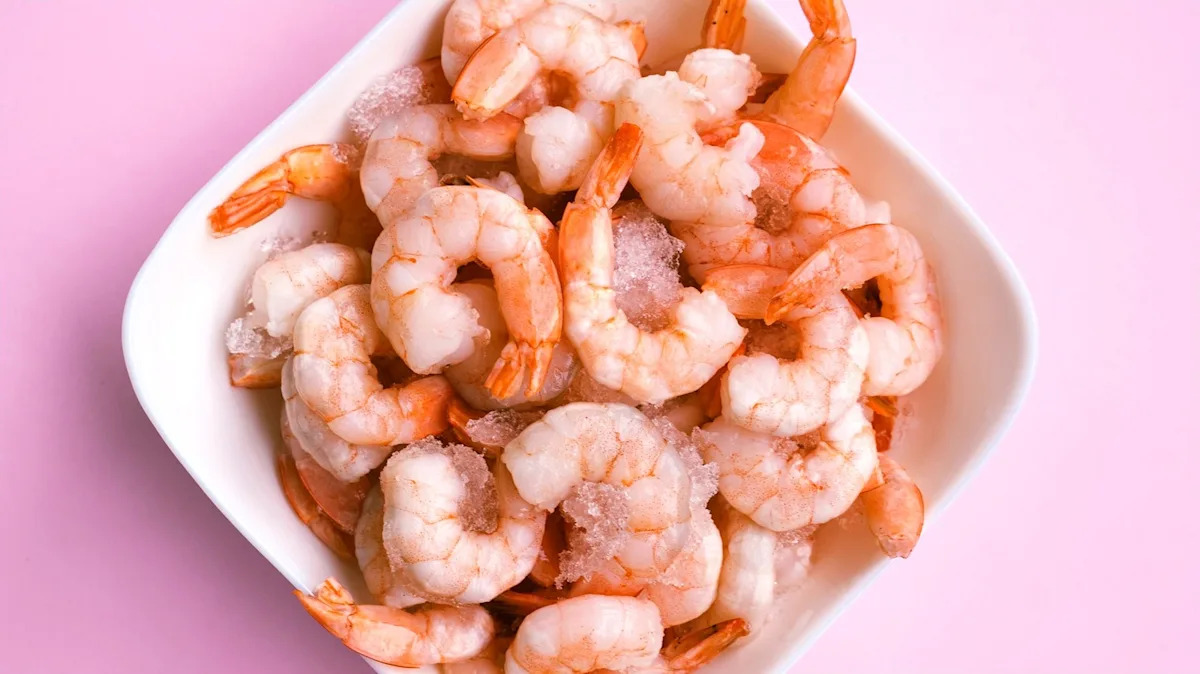
Commercial fishing of saltwater shrimp is usually done by trawling, which can be destructive to ocean habitats and endangered species. On the other hand, farming saltwater shrimp in sea cages also faces environmental challenges such as waste management and eutrophication.
Freshwater Shrimp
Freshwater shrimp are often the result of aquaculture, because many of their wild species are not edible and can survive in polluted waters. However, freshwater shrimp farming also has environmental benefits: reducing pressure on wild marine stocks and using inland water resources.
7. Buying Guide: How to Choose the Right Shrimp?
Signs of Fresh Shrimp
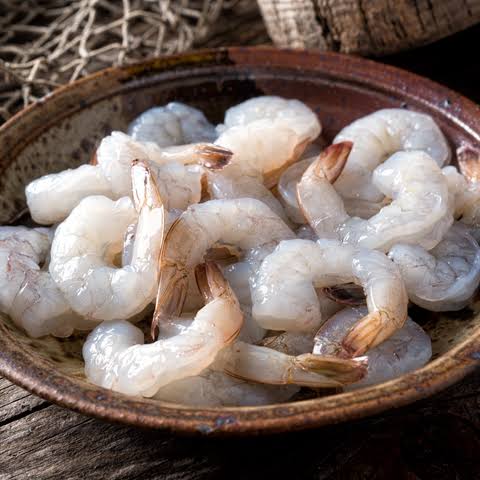
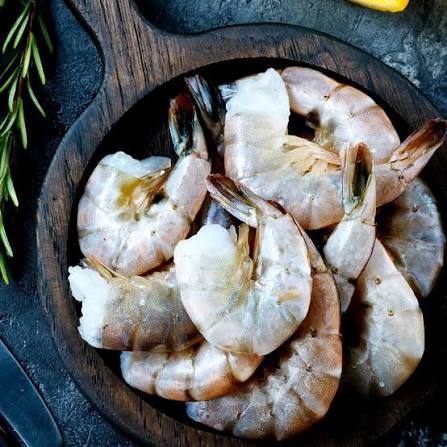
Fresh shrimp have fully attached body, head, and tail, a firm and curved body, and shiny and hard shells. The muscle and intestine of the shrimp should also be attached; if they separate, it is a sign of staleness.
Distinguishing Saltwater from Freshwater Shrimp
Saltwater shrimp appear stronger, have larger heads, and have darker color. In contrast, freshwater shrimp have more transparent and elongated bodies and lighter color. Wild shrimp have a stronger sea smell, while farmed shrimp have a milder smell.
Which Shrimp Should We Choose?
The choice between saltwater shrimp and freshwater shrimp depends on personal priorities, budget, and type of dish. If you are looking for strong umami taste, delicate texture, and higher nutritional value in terms of minerals and active compounds, saltwater shrimp is the superior choice. On the other hand, if large size, meaty texture, and mild, sweet taste matter to you — especially for dishes where shrimp plays the main role — freshwater shrimp will be the smarter choice. From the perspective of basic nutritional value, both groups have high protein, low fat, and excellent amino acid balance, and the final choice should be based on taste preferences, budget, and sustainability considerations.
For more info call us in
Nonadshop.com

Parvisico.com

بدون دیدگاه