Characteristics of Iran Export Vannamei Shrimp and the Most Important Global Target Markets
Introduction

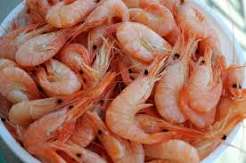
Vannamei shrimp (Litopenaeus vannamei) is now recognized as the primary farmed and export species of Iran. According to statistics from the Iran Fisheries Organization, more than 95% of the country’s farmed export shrimp consists of this species. The climatic conditions of Iran’s southern coasts—especially the Persian Gulf and the Sea of Oman—along with health management and the use of SPF broodstock, have enabled Iranian Vannamei shrimp to gain a respectable position in global markets in terms of quality, taste, and uniformity.

we first examine the most important characteristics of Iran’s export Vannamei shrimp and then introduce the countries that import the largest volumes of this product from Iran.
1. Physiological and Biological Characteristics of Iran’s Farmed Vannamei Shrimp

1.1. High Tolerance to Salinity and Temperature

Vannamei shrimp is a euryhaline species and can live and grow within a salinity range of 0.5 to 45 parts per thousand (ppt). Along Iran’s southern coasts, where the salinity of the Persian Gulf reaches 40–45 ppt in summer, this trait is a major competitive advantage. The optimal growth temperature for this species is between 28 and 32°C, which is well provided during spring and summer in the provinces of Hormozgan, Bushehr, Khuzestan, and Sistan and Baluchestan.

1.2. Rapid Growth and Low Feed Conversion Ratio

Under optimal farming conditions, Vannamei shrimp can reach market weight of 20–30 grams within 90–120 days. The feed conversion ratio (FCR) of this species is typically between 1.2 and 1.6, meaning that less than 1.6 kg of feed is consumed for every kilogram of weight gain. This high efficiency lowers production costs and enhances Iran’s export competitiveness.

1.3. Relative Disease Resistance

The use of SPF (Specific Pathogen Free) broodstock imported from reputable global centers, along with strict biosecurity practices on farms, has increased the resistance of Iran’s farmed Vannamei shrimp to dangerous diseases such as White Spot Syndrome Virus (WSSV), Acute Hepatopancreatic Necrosis Disease (AHPND), and Enterocytozoon hepatopenaei (EHP). Although challenges remain, the performance of leading farms in Iran demonstrates that losses can be minimized through proper management.

1.4. Size Uniformity and Carcass Quality

Thanks to global genetic improvement programs, Vannamei produces same-age populations with uniform growth. This uniformity is crucial in export processing and packaging lines because international buyers prefer a consistent size product with minimal waste. The pure meat yield of Vannamei is also high, and it develops an attractive pink-orange color after cooking.
 

 Qualitative and Commercial Characteristics of Iran’s Export Vannamei Shrimp

2.1. Common Export Sizes

Iran’s export Vannamei shrimp is classified into standard global sizes based on the number per kilogram:

· Size 16/20 (16–20 pieces per kg) – large, suitable for premium markets
· Size 21/25 – widely used in restaurants and retail
· Size 26/30 – the most in-demand size in China and Europe
· Size 31/40 and smaller – suitable for processed products and ready meals

2.2. Types of Export Processing

Iran’s Vannamei shrimp products are exported in the following forms:

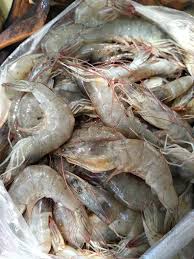
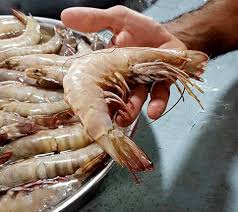
· HOSO (Head-On Shell-On): shrimp with head and shell – especially for the Chinese and Arab markets
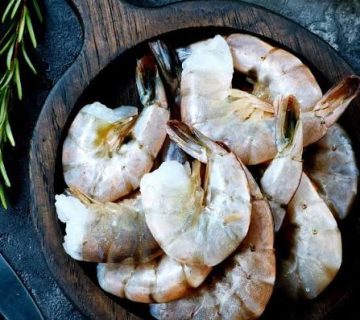
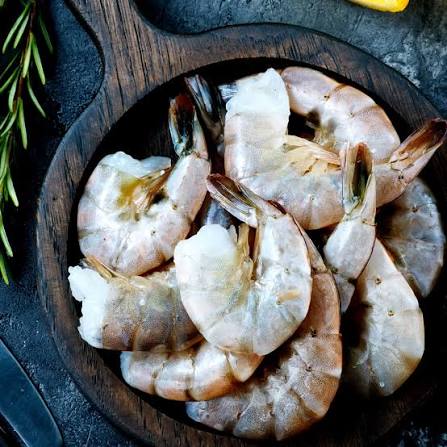
· HLSO (Headless Shell-On): headless shrimp with shell – popular in Europe and Russia
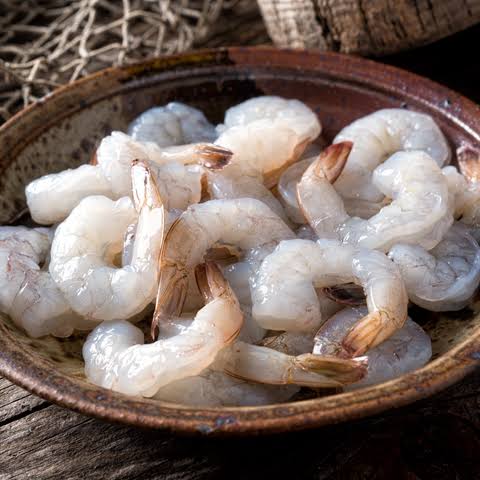
· PUD (Peeled Undeveined) and P&D (Peeled & Deveined): peeled and deveined shrimp – suitable for the food industry and restaurants
· Breaded shrimp and nuggets: value-added products for European and Middle Eastern markets

2.3. Taste, Texture, and Color
Because it is farmed in the natural brackish waters of the Persian Gulf and the Sea of Oman, Iran’s farmed Vannamei shrimp has a mild, sweet taste, firm and juicy texture, and a light color after cooking. These qualities are highly valued in East Asian and European markets.

2.4. Health Standards and Certifications

Many farms and processing plants in Iran have obtained international certifications such as HACCP, ISO 22000, Halal, and in some cases ASC and BAP. These certifications enable entry into sensitive markets like the European Union and Russia.

3. Countries with the Highest Import Volumes of Iranian Vannamei Shrimp

According to statistics from the Islamic Republic of Iran Customs Administration and reports from the Iran Fisheries Organization, the most important export destinations for Iran’s Vannamei shrimp are as follows:

Rank Destination Country Market Characteristics
1 China The largest direct buyer of Iranian shrimp; high demand for medium sizes and frozen HOSO
2 United Arab Emirates Regional trade hub and domestic consumption; part of shipments are re-exported from Dubai to other countries
3 Russia Growing market with high demand for HLSO and PUD; high sensitivity to health standards
4 Qatar and Oman Regional markets with steady demand for fresh and frozen shrimp
5 European countries (Spain, France, Italy) Smaller volumes but higher added value; requires strict certifications and modern packaging

Note: In recent years, the combined share of China and the UAE in Iran’s total shrimp exports has exceeded 70%. Russia and European countries have also gradually increased their share.

 Competitive Advantages of Iranian Vannamei Shrimp in Global Markets

· Geographic proximity to Persian Gulf and Central Asian markets: Reduced transportation time and cost preserve product freshness.
· Farming in natural brackish water: Better taste and texture compared to shrimp farmed in freshwater.
· Competitive pricing: Production costs in Iran are lower in some periods than in Ecuador, India, and Vietnam due to access to labor and suitable land.
· Ability to supply various sizes: Iranian farms can produce from size 16/20 to 41/50 depending on market demand.

5. Challenges and Specialized Recommendations for Export Development

Despite numerous advantages, Iran’s export shrimp industry faces challenges:

· Dependence on imported SPF broodstock: Currency fluctuations and international restrictions can disrupt production plans.
Recommendation: Invest in domestic breeding centers and produce resistant broodstock.
· Lack of national brand and modern packaging: Most exports are in bulk and under the foreign buyer’s brand.
Recommendation: Create a unified “Iranian Shrimp” brand and participate in global exhibitions such as Seafood Expo Global.
· Banking restrictions and sanctions: Money transfers with some countries are difficult.
Recommendation: Use barter arrangements and cooperate with reputable intermediary companies.
· Competition with major global producers (Ecuador, India): Need to reduce production costs and improve efficiency.
Recommendation: Develop intensive and super-intensive farming systems with modern technologies.

Conclusion

Iran’s export Vannamei shrimp, due to its unique physiological characteristics such as high tolerance to salinity and temperature, rapid growth, low feed conversion ratio, and size uniformity—combined with desirable meat quality—has become the country’s primary aquatic export product. The most important target markets for this product are, in order, China, the United Arab Emirates, Russia, Qatar, Oman, and some European countries. To maintain and increase Iran’s share in the global market, focusing on branding, obtaining international certifications, reducing dependence on foreign broodstock, and improving logistics infrastructure is essential.

FOR MORE INFO CALL US IN

NONADSHOP.COM


PARVISICO.COM

بدون دیدگاه

دیدگاهتان را بنویسید

نشانی ایمیل شما منتشر نخواهد شد. بخش‌های موردنیاز علامت‌گذاری شده‌اند *