
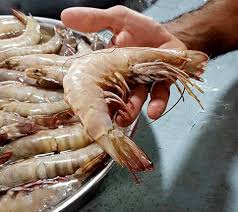
The Best Type of Shrimp for Export from Iran
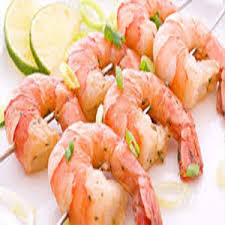
Introduction
Over the past two decades, Iran’s shrimp farming and export industry has become a key pillar of non-oil foreign currency earnings. Iran’s geographic location along the Persian Gulf and the Sea of Oman, access to warm and brackish waters, and a skilled workforce have created an exceptional capacity for producing export-grade shrimp. However, the key question for producers and traders is: What is the best type of shrimp for export from Iran? Answering this requires a simultaneous analysis of the physiological conditions of different shrimp species and the biological and ecological conditions of Iran. In this article, we will examine these two dimensions in a specialized manner to help you make the best choice for export.
1. The Most Important Shrimp Species in Iran (Native and Farmed)
Iran, in terms of shrimp biodiversity—both from marine capture and aquaculture—hosts several species. However, not all of them are suitable for large-scale commercial export. The most important species include:
1.1. Vannamei Shrimp (Litopenaeus vannamei)
The Pacific white shrimp, or Vannamei, now accounts for more than 90% of Iran’s farmed shrimp production. This species is native to the eastern Pacific Ocean but has been selected as the primary farmed species worldwide, including in Iran, due to its outstanding physiological traits.
1.2. Indian White Shrimp (Fenneropenaeus indicus)
A native species of the Persian Gulf and the Sea of Oman. This shrimp was historically the backbone of traditional capture and semi-intensive farming in Iran. It has high-quality meat and a desirable flavor, but shows slower growth and greater susceptibility to diseases.
1.3. Green Tiger Shrimp (Penaeus semisulcatus)
Another native species of the Persian Gulf, primarily supplied through wild catch. Its large size and attractive appearance are favored in European and Japanese markets, but supply is seasonal and limited.
1.4. Banana Shrimp (Penaeus merguiensis)
This species is also found in the southern waters of Iran and is farmed in some Asian countries, but its share in Iran’s production and exports is negligible.
2
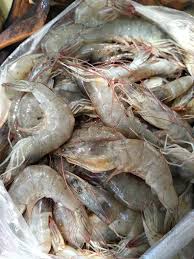
Physiological Conditions of the Best Export Shrimp
To select the best type of shrimp for export, we must evaluate the physiological characteristics of species from both commercial and biological perspectives. These characteristics include:
2.1. Tolerance to Salinity and Temperature Ranges (Euryhaline and Eurythermal)
Vannamei shrimp is a euryhaline species, meaning it can survive in a wide salinity range from 0.5 to 45 parts per thousand (ppt). This trait is a vital advantage along Iran’s southern coasts, where the salinity of the Persian Gulf—especially in summer—reaches 40–45 ppt. In contrast, Indian white shrimp has a narrower salinity tolerance and suffers stress under very high salinities.
Regarding temperature, the optimal growth temperature for Vannamei is between 28 and 32°C. Iran’s southern coasts provide these temperatures well during spring and summer, while in winter, water management or greenhouse systems can extend the culture period.
2.2. Growth Rate and Feed Conversion Ratio (FCR)
Under optimal conditions, Vannamei can reach market weight of 20–30 grams within 90–120 days. Its feed conversion ratio (FCR) is typically between 1.2 and 1.6, which is far more economical compared to Indian white shrimp (FCR around 1.8–2.2) and green tiger shrimp (higher FCR). This means more production with lower feed costs.
2.3. Disease Resistance
White Spot Syndrome Virus (WSSV), Acute Hepatopancreatic Necrosis Disease (AHPND), and Enterocytozoon hepatopenaei (EHP) are among the most significant threats to Iran’s shrimp industry. SPF (Specific Pathogen Free) broodstock of Vannamei imported from reputable centers exhibit relatively higher resistance to these diseases. Additionally, the high stocking density tolerance of this species in intensive and super-intensive systems allows for better biological control.
In contrast, Iran’s native species still lack coherent breeding programs and SPF production, and disease outbreaks are more frequently reported in their farms.
2.4. Size Uniformity and Processing Efficiency
Vannamei has been genetically improved to produce same-age populations with uniform growth. This uniformity is crucial in export processing and packaging lines because international buyers (especially in the EU and China) prefer a consistent size product with minimal waste. The carcass yield and meat percentage of Vannamei are also high, and it develops an attractive pink-orange color after cooking.
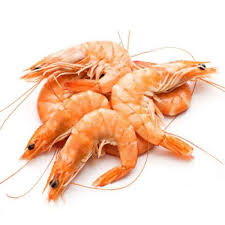
3. Biological and Ecological Conditions of Iran for Export Shrimp Farming
Geographically, Iran lies in a hot and arid region, but its southern coastal strip has unique features for shrimp aquaculture.
3.1. Water Temperature and Climate
The Persian Gulf and the Sea of Oman have surface water temperatures ranging from 30–35°C in summer to 18–24°C in winter. This temperature range is very suitable for farming Vannamei, particularly from April to December, allowing two to three production cycles per year. In the provinces of Hormozgan and Sistan and Baluchestan (Chabahar), due to proximity to the Indian Ocean, temperature fluctuations are smaller and the growing season is longer.
3.2. Salinity and Water Resources
The salinity of the Persian Gulf near the coast typically ranges between 38 and 42 ppt, and in estuaries and river mouths (such as Karun, Bahmanshir, Arvand) it can drop to 15–20 ppt. Shrimp farms in Khuzestan, Bushehr, and Hormozgan mainly use brackish water from shallow wells or river drainage. Vannamei’s ability to grow in high and fluctuating daily salinities makes it an ideal choice for these conditions.
3.3. Soil and Pond Bottom
Most shrimp farms are built on coastal lands with clay-sandy bottoms. These soils have suitable permeability and can stabilize pond water quality. However, in some areas, soil salinity is high, and water intake and exchange management is critical.
3.4. Biodiversity and Risk of Endemic Diseases
The southern waters of Iran host various shrimp pathogens. Taking in seawater without filtration can introduce disease agents into farms. Therefore, using SPF Vannamei broodstock, water disinfection, and strict biosecurity on farms are essential. In contrast, farming native species without a health program increases the risk of disease transmission from wild populations to ponds.
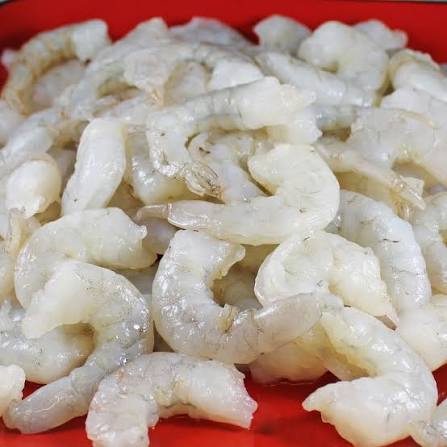
4. Why Vannamei Shrimp Is the Best Option for Export from Iran
Based on the analysis of physiological and biological conditions above, Vannamei shrimp (Litopenaeus vannamei) is considered the best type of shrimp for export from Iran for the following reasons:
· Perfect adaptation to the climatic conditions of southern Iran: Tolerance to high salinity and temperature enables production throughout the warm seasons.
· Broad global market: High demand from China, the EU, Russia, the UAE, and Southeast Asian countries for frozen and fresh Vannamei.
· High economic efficiency: Low feed conversion ratio, fast growth, high stocking density tolerance, and the possibility of two to three cycles per year.
· Acceptance under international standards: Health and quality certifications for Vannamei are easier to obtain, and it is better known in sensitive markets such as the EU.
· Uniformity and processing efficiency: Suitable for producing value-added products like headless shell-on (HLSO), peeled and deveined (PUD), and breaded shrimp.
Official statistics from Iran’s Fisheries Organization show that over 95% of Iran’s farmed shrimp exports consist of Vannamei. In recent years, Iran’s annual shrimp exports have ranged from 20,000 to 30,000 tons, mainly to China, the UAE, Russia, and some European countries.
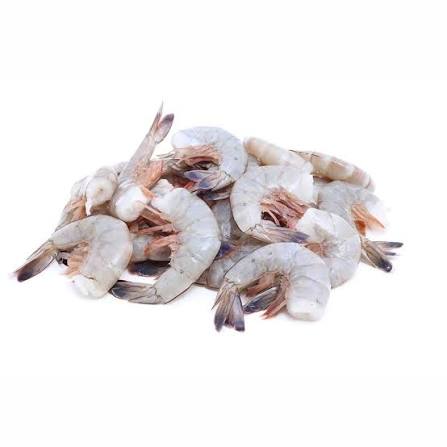
5. Export Opportunities for Native Species (Niche Markets)
Although Vannamei dominates bulk exports, Iran’s native species—including green tiger shrimp and Indian white shrimp—can be offered in niche markets at higher prices.
· Wild-caught green tiger shrimp from the Persian Gulf: Recognized in Japan and Europe as a high-quality wild marine product. If its catch is managed sustainably and MSC (Marine Stewardship Council) certification is obtained, its price per kilogram can be two to three times that of farmed Vannamei.
· Organic Indian white shrimp: Traditional, low-density farming of this species along the Makran and Khuzestan coasts can target the European market with organic certification.
· Limited supply: Production of these species is seasonal and variable, and the volume is insufficient for bulk export. Thus, these options complement Vannamei exports rather than replace them.
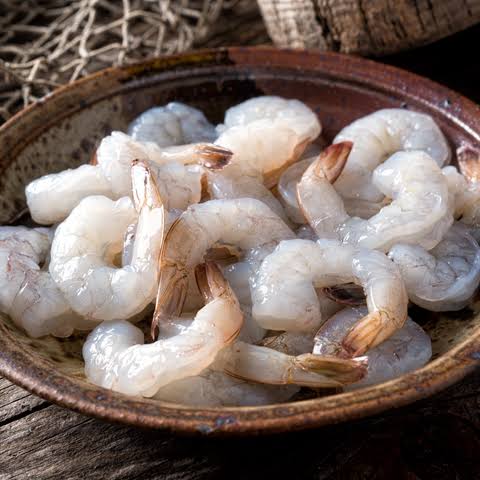
6. Challenges and Specialized Recommendations for Improving Exports
Despite the above advantages, Iran’s export shrimp industry faces several challenges:
6.1. Diseases and Shortage of Healthy Broodstock
Dependence on importing SPF Vannamei broodstock from abroad carries currency risk and limitations due to sanctions. Recommendation: Develop domestic multiplication and breeding centers with private sector participation, using disease-resistant genetic stocks.
6.2. Salinity Fluctuations and Freshwater Scarcity
In dry years, well salinity rises and pond water quality deteriorates. Recommendation: Invest in recirculating aquaculture systems (RAS) and small desalination units to adjust salinity during critical stages.
6.3. Effluent Management and Environment
Discharging farm effluent into the sea can degrade coastal ecosystems. Recommendation: Construct settling ponds and use natural biofilters (such as mangroves) to reduce organic load.
6.4. Marketing and Branding
Most of Iran’s exports are in bulk and unbranded. Recommendation: Create a national brand for Iranian shrimp emphasizing quality and safety, obtain international certifications (ASC, BAP, GlobalG.A.P.), and actively participate in global trade shows.
Conclusion
By examining the physiological characteristics of different species and the biological and climatic conditions of Iran, it can be concluded that Vannamei shrimp (Litopenaeus vannamei) is the best type of shrimp for export from Iran. This species, due to its high tolerance to salinity and temperature, rapid growth, low feed conversion ratio, relative disease resistance using SPF broodstock, and size uniformity, is fully compatible with Iran’s southern coastal conditions and enjoys stable global demand. At the same time, native species such as green tiger shrimp and Indian white shrimp can be offered as premium, high-priced products in luxury markets. To maintain and increase Iran’s share of the global market, investment in biosecurity infrastructure, genetic improvement, sustainable water management, and international marketing is essential.
FOR MORE INF CALL US IN
NONADSHOP.COM
PARVISICO.COM


بدون دیدگاه