
Unique Features of Iranian Export Beluga Fish Meat

Meta Description: A specialized review of the features of Iranian beluga fish meat, including nutritional value, texture, flavor, farming conditions in the Caspian Sea, and international export certificates. Why is this luxury meat unrivaled in the global market?

Unique Features of Iranian Export Beluga Fish Meat
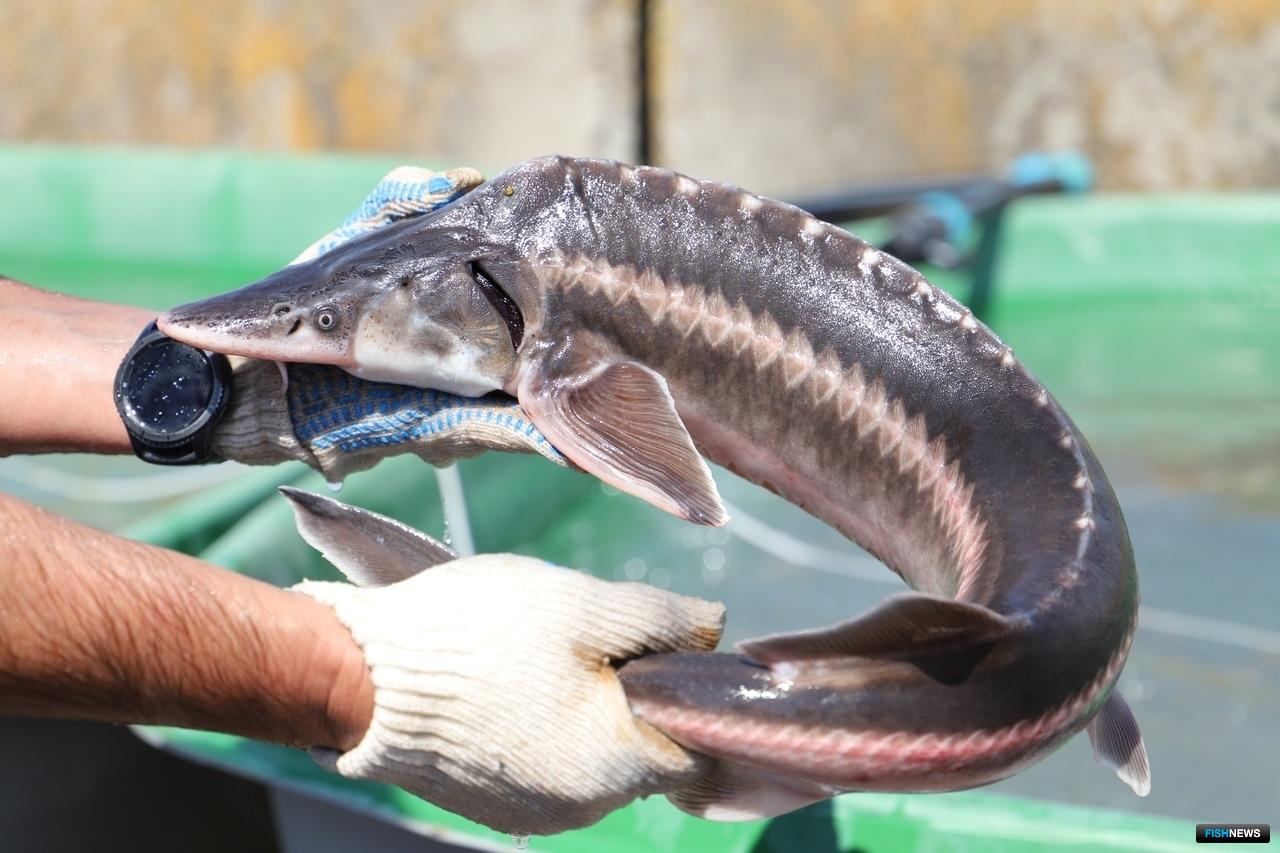
Beluga or giant sturgeon (Huso huso) meat is one of the most luxurious and nutritious marine proteins in the world. Iran, as the original habitat of this fish in the Caspian Sea, has succeeded in producing and exporting world-class quality meat by developing modern farming facilities. But what distinguishes Iranian export beluga meat from other sturgeon species and even farmed varieties in other countries? This article examines these features in detail.
Exceptional, Health-Oriented Nutritional Value
Beluga meat is a marine superfood. Its most important nutritional indicators include:
· Highly Digestible Protein (over 20%): The protein in beluga meat is almost completely absorbed by the body, making it ideal for muscle growth and tissue repair.
· Abundant Omega-3 Fatty Acids: Beluga meat is rich in EPA and DHA, which play a vital role in reducing inflammation, improving brain function, and supporting heart health. Its omega-3 content rivals wild salmon but with lower cholesterol.
· Rare Minerals: Selenium, phosphorus, potassium, and magnesium are found in abundance. Selenium, as a powerful antioxidant, strengthens the immune system.
· B Vitamins: Especially B12, which is essential for red blood cell production and nerve health.
· Balanced, Healthy Fat: Unlike red meat, beluga fat is predominantly unsaturated and is distributed in thin layers between muscles rather than as saturated fat deposits.
This combination makes beluga meat an ideal choice for luxury diets, professional athletes, and individuals with heart conditions.
Unrivaled Texture and Flavor Among Sturgeon
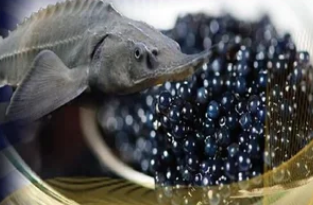
The sensory experience of consuming Iranian beluga meat is incomparable to any other fish:
· Firm yet Tender Texture: Beluga meat does not fall apart or dry out during cooking; instead, it retains a buttery, juicy quality characteristic of large sturgeon species.
· Absence of Small Bones: Beluga fillets are almost free of fine bones. This feature makes them highly suitable for thick steaks, frying, and sashimi.
· Mild, Unusual Flavor: Unlike oily fish that have a fishy smell, beluga meat has a clean, slightly sweet taste similar to premium white meat but more delicate. This flavor pairs well with various seasonings and suits many cooking styles (from Iranian kebabs to French sauces).
· Light, Appetizing Color: Raw beluga meat is cream to white, turning pearl-white after cooking, creating a luxurious visual appeal on the plates of Michelin-starred restaurants.
The Role of Farming Environment: Caspian Brackish Water
The main secret behind the quality of Iranian beluga meat lies in its farming environment. Leading farms in Golestan, Mazandaran, and Gilan provinces use natural Caspian Sea water or wells with similar salinity. These conditions result in:
· Less Environmental Stress: The fish grows in water similar to its natural habitat, leading to lower stress hormone levels and higher meat quality.
· Natural Muscle Activity: Large ponds with gentle water flow allow continuous swimming, resulting in firmer, more flavorful muscle tissue.
· Controlled Nutrition: Iranian export farms typically use extruded feed of marine origin, free from antibiotics and growth hormones. Some farms have also obtained organic certification.
This environmental combination makes Iranian beluga meat very close in taste to wild specimens while offering the safety and sustainability of farmed production.
International Health Standards and Export Certificates




بدون دیدگاه