
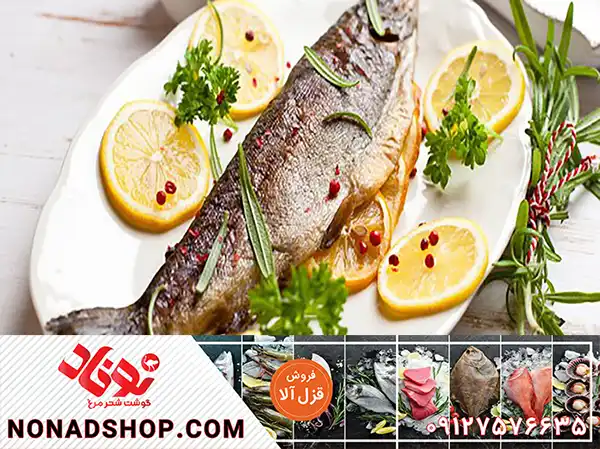
The Role of Iranian Salmon Exports in the Russian Diet and Seafood Market
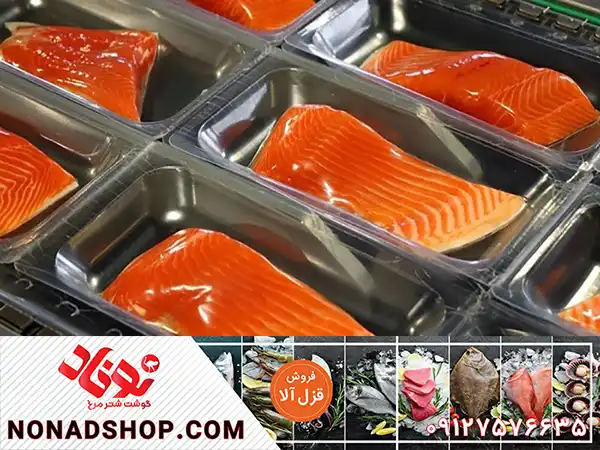
Russia is one of the important seafood markets in the region, with fish playing a significant role in the Russian diet. Although Russia has a large domestic fishing industry, it also relies on imports to supply consumer demand for certain fish and seafood products. In 2025, Russia imported approximately **718,000 tonnes of fish and seafood worth $3.5 billion**, demonstrating the continued importance of imported seafood in the domestic market. ([Федеральное агентство по рыболовству][1])
For Iran, this market represents an opportunity to expand exports of high-quality farmed fish. However, it is important to distinguish between **Iranian salmon and Iranian trout**: current trade data show that Iran’s established fish exports to Russia are primarily shrimp and trout rather than Atlantic salmon. In 2024, Russia imported about **1,800 tonnes of Iranian trout**, up 35% from the previous year. ([Interfax.ru][2])
Salmon-Type Fish in the Russian Food Basket
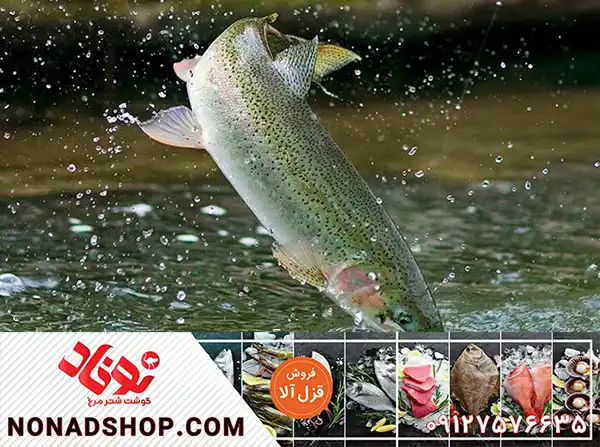
Fish is traditionally important in Russian cuisine, and salmonids have become an established part of the Russian seafood market. Research on Russia’s seafood trade shows substantial demand for farmed Atlantic salmon, while market studies have also identified salmonids as an important segment of imported seafood. ([Springer][3])
Salmon and trout are consumed in Russia in several forms, including:
* Fresh and chilled fish
* Frozen fillets
* Smoked products
* Salted and lightly cured fish
* Restaurant and catering products
* Ready-to-cook seafood
This diversity creates opportunities for exporters that can provide consistent quality, reliable cold-chain logistics, and competitive pricing.
Iran’s Opportunity in the Russian Market
Iran has already demonstrated that its aquaculture products can gain market share in Russia. In 2024, Iranian seafood exports to Russia reached around **20,000 tonnes and approximately $65 million**, representing a 25% increase in both volume and value compared with 2023. Iranian trout alone accounted for about 1,800 tonnes and $6.6 million. ([Interfax.ru][2])
These figures are particularly important because they show that Russian buyers are already familiar with Iranian aquaculture products. This commercial relationship could provide a foundation for expanding into other salmonid products if Iranian producers can develop competitive salmon production.
Contribution to the Russian Consumer’s Diet
The export of Iranian salmonid products can contribute to the Russian food basket in several ways. First, imported fish increases the variety of seafood available to consumers. Second, competition among suppliers can help Russian distributors maintain stable supplies throughout the year.
Iran’s geographical proximity to Russia can also be an advantage for certain supply routes. Existing Iranian seafood exports demonstrate that Iranian producers and Russian importers already have commercial and logistical connections.
However, Iranian salmon would need to compete with established suppliers and with Russia’s own large seafood industry. Therefore, success would depend on **price, quality, freshness, certification, packaging, and reliable delivery** rather than simply market availability.
Increasing the Value of Iranian Seafood Exports
Developing Iranian salmon exports could also increase the value added generated by Iran’s aquaculture industry. Instead of exporting only conventional products, Iranian producers could focus on higher-value products such as:
* Premium fresh salmonids
* Frozen fillets
* Smoked fish
* Vacuum-packed portions
* Retail-ready seafood
* Restaurant-grade products
Such value-added processing can make Iranian seafood more competitive and potentially increase export revenues per kilogram.
Challenges for Iranian Exporters



بدون دیدگاه