

The Impact of Iran-Russia Trade Cooperation on Enhancing Iranian Salmon Exports

Abstract
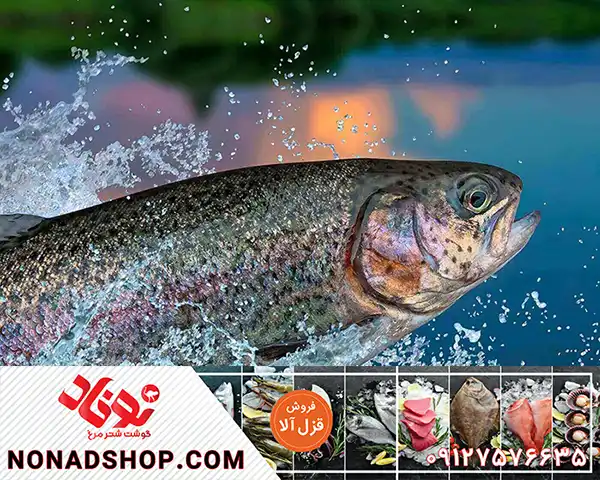
Iran-Russia trade relations have experienced unprecedented growth, with bilateral trade reaching approximately $5.8 billion in 2025—a 21% increase from the previous year. The signing and implementation of the Treaty on Comprehensive Strategic Partnership between the two nations in January 2025 has created a formal framework for cooperation spanning multiple sectors, including fisheries and aquaculture. This article examines how this burgeoning bilateral relationship is influencing Iran’s salmon export industry. Key findings include Iran’s growing role as a salmonid supplier to Russia—with exports increasing 40% to 2,000 tons in 2024—alongside the establishment of veterinary protocols, the opening of the Russian market to Iranian salmonid products, and the emergence of infrastructure developments such as the International North-South Transport Corridor that facilitate trade. While challenges remain, including veterinary compliance issues affecting some Iranian enterprises, the strategic partnership provides a foundation for significant expansion of Iranian salmon exports to the Russian market and beyond.

1-1. The Comprehensive Strategic Partnership Treaty
In January 2025, the presidents of Russia and Iran signed the Treaty on Comprehensive Strategic Partnership, a landmark agreement that was subsequently ratified by both nations . The treaty formally establishes cooperation in multiple sectors, including:
– Agriculture and fisheries
– Veterinary affairs
– Plant protection and quarantine
– Environmental protection and sustainable resource use
Article 7 of the agreement specifically emphasizes the development of cooperation “in the areas of agriculture, fisheries, veterinary, plant protection and quarantine, and seed production in order to expand mutual trade and access of agricultural products to the markets of the Contracting Parties and the markets of third states” . This legal framework provides the foundation for salmon trade development between the two countries.
1-2. Bilateral Trade Growth
Trade between Iran and Russia has shown consistent growth despite complex geopolitical conditions:
| Period | Trade Volume | Growth |
| 2025 (full year) | $5.8 billion | +21% |
| January-April 2026 | ~$1.9 billion | +2% |
| Persian year 1404 (Mar 2025-Mar 2026) – EAEU trade | $7.3 billion | +22% |
A critical driver of this growth has been the full implementation of the free trade agreement between the Eurasian Economic Union (EAEU) and Iran, which came into effect on May 15, 2025. This agreement has provided preferential trade conditions for approximately 87% of traded goods . Russia remains Iran’s most significant trading partner within the EAEU framework .
2. Iran-Russia Fisheries Cooperation: Direct Impact on Salmon Trade
. Formal Fisheries Cooperation
Beyond the general framework of the strategic partnership treaty, Russia’s Federal Service for Veterinary and Phytosanitary Surveillance (Rosselkhoznadzor) has established direct cooperation with Iranian authorities. The fisheries cooperation specifically addresses:
– Veterinary certification of seafood products
– Health and safety standards compliance
– Market access protocols
– Bilateral trade facilitation
In practical terms, Rosselkhoznadzor maintains a registry of third-country enterprises authorized to export controlled goods to the EAEU, including Iranian seafood producers .
2-2. Iranian Salmonid Exports to Russia: The Data
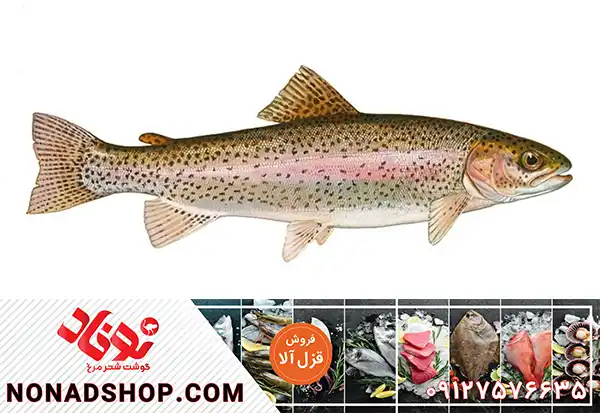
According to foreign customs data compiled by the Russian Fisheries Union Analysis Center, Iran’s trout exports to Russia increased by 40% in 2024, reaching 2,000 tons . This placed Iran among the top three suppliers of trout to the Russian market, alongside China and Turkey. Russia’s total trout imports exceeded 75,000 tons in 2024, growing by more than 25% compared to the previous year .
The growth in Iranian exports is attributed to two key factors:
1. Rising prices for chilled salmon in the Russian domestic market
2. Reduced Pacific salmon catches in the Russian Far East
2-3. Authorized Iranian Salmon Exporters
The Rosselkhoznadzor registry reveals that multiple Iranian enterprises are authorized to export salmonid products to Russia:
| Enterprise Name | Registration Number | Authorization Status | Product Types |
| Sanaye Ghazaei Shilan Salamat Maysa | IR-7088 | Authorized | Frozen salmon, Fresh/chilled salmon, Canned fish |
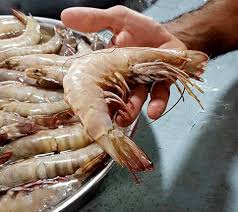
| Sourosh Salamat Nikan Fishery Products Co. (Sharin) | IR-7014 | Temporary Restrictions | Shrimp (with arsenic detection issue) |
| Pak samar | 937 | Temporary Restrictions | Fresh/chilled salmon, Frozen salmon, Salmon fillets |
The registry demonstrates a mixed picture: while some enterprises have full authorization (green status), others face temporary restrictions due to safety compliance issues, primarily involving detection of prohibited substances. For enterprise 7014, arsenic detection in shrimp products led to temporary restrictions effective February 2025 .
2-4. Value of Bilateral Seafood Trade
According to ITC Trade Map data, bilateral trade in fish and seafood products between Iran and Russia shows significant potential:
| Direction | Value (2024) | Value (2025) |
| Iran’s seafood imports from Russia | $6,341,159 | $5,869,801 |
| Iran’s seafood imports from World | $34,546 | $6,831 |
Overall seafood trade turnover between Russia and Middle Eastern countries increased 22% in value terms in 2025, reaching $107 million for 24,000 tons. However, Iranian seafood exports to Russia decreased by 20% in volume and 15% in value during this period, to 16,000 tons worth $53 million .

3. Key Mechanisms Enhancing Salmon Exports
3-1. The Eurasian Economic Union (EAEU) Free Trade Agreement
The EAEU-Iran Free Trade Agreement, effective May 15, 2025, is perhaps the most significant trade facilitation mechanism affecting Iranian salmon exports. Key features include:
– **Preferential tariffs**: Approximately 87% of traded goods receive tariff preferences
– **Simplified customs procedures**: The agreement streamlines border formalities
– **Expanded market access**: Iranian products gain easier entry to Russia and other EAEU markets
3-2. Veterinary Protocol Development
Russia has maintained a structured process for Iranian seafood imports:
1. **Enterprise registration**: Iranian producers must be listed in the Rosselkhoznadzor registry
2. **Compliance with EAEU standards**: Products must meet harmonized veterinary and safety requirements
3. **Laboratory control**: Products from certain enterprises may undergo enhanced laboratory control
### 3-3. Infrastructure: The International North-South Transport Corridor (INSTC)
The INSTC is a strategic multi-modal transport route linking Russia and northern Europe to the Indian Ocean and South Asia via Iran. This corridor is critically important for salmon exports because:
– It provides an alternative to longer sea routes
– It facilitates timely delivery of perishable seafood products
– It reduces transportation costs
Current INSTC performance indicators:
– Over 3 million tons of goods moving through the eastern branch (capacity: 15 million tons)
– 10 million tons handled through the central Caspian Sea route (capacity: 14 million tons)
– The Rasht-Astara railway section, critical for completion, is entering implementation phase
3-4. National Currency Settlement
Iran and Russia are actively discussing the use of national currencies in bilateral trade, which would reduce dependence on the US dollar. As Russia’s energy minister noted:
> “It is not Iran and Russia that are choosing to avoid the U.S. dollar; rather, both countries have been barred from using it. Many other countries around the world are now seeking to move away from the dollar in their transactions” .
This financial de-dollarization could facilitate more stable and predictable salmon trade transactions.

4. Challenges and Barriers
4-1. Veterinary Compliance Issues
Despite the positive trajectory, Iranian exporters face challenges related to veterinary compliance:
– **Temporary restrictions**: At least two Iranian enterprises have been placed under temporary restrictions by Rosselkhoznadzor due to detection of prohibited substances
– **Enhanced laboratory control**: Some products face mandatory testing for each export consignment
– **Arsenic detection**: Shrimp products from one enterprise were flagged for arsenic content, leading to restrictions that may extend to other seafood products
4-2. Declining Export Trends
Iranian seafood exports to Russia contracted in the most recent period:
– 20% decrease in volume (to 16,000 tons)
– 15% decrease in value (to $53 million)
This contraction highlights the need for more focused efforts to maintain and grow market share, particularly as competitors like China and Turkey are expanding their presence .
4-3. Logistical Challenges
Despite INSTC development, logistical bottlenecks remain:
– Limited refrigerated transport capacity
– Border terminal infrastructure weaknesses
– Distance from production centers to export routes
4-4. Russian Domestic Production Dynamics
Russia’s salmon import demand is partly driven by fluctuations in domestic Pacific salmon catches. When Far Eastern catches are reduced, import demand increases, presenting both opportunities and uncertainties for Iranian exporters .
6. Conclusion: The Strategic Opportunity
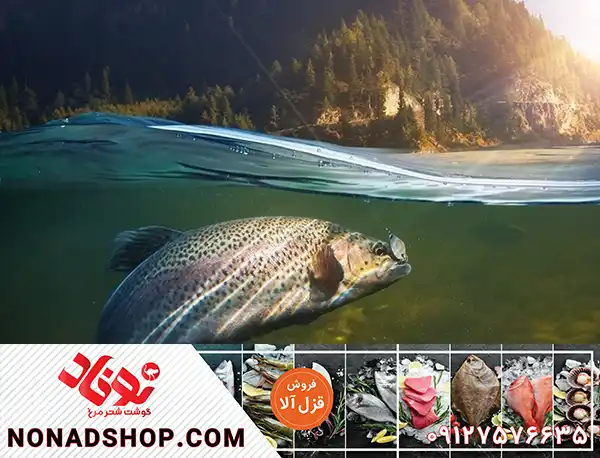
Iran-Russia trade cooperation, cemented by the Comprehensive Strategic Partnership Treaty and the EAEU free trade agreement, has created a favorable environment for expanding Iranian salmon exports. The data confirms a tangible impact: Iranian trout exports to Russia increased 40% in 2024, reaching 2,000 tons, establishing Iran as the third-largest supplier to the Russian market .
However, the opportunity is not without challenges. Declining seafood export values in the most recent period, veterinary compliance issues affecting specific enterprises, and intense competition from China and Turkey require strategic responses. The infrastructure developments underway—particularly the INSTC—will further facilitate trade, while financial de-dollarization may provide more stable transaction mechanisms .
For Iranian salmon exporters, the path forward requires maintaining rigorous quality standards to avoid regulatory restrictions, leveraging the EAEU trade preferences to enhance competitiveness, and building robust logistics through the INSTC. The strategic partnership between Iran and Russia provides the political and legal foundation for growth; the execution now depends on the capabilities and strategies of Iranian producers and exporters.
FOR MORE INFORMATION AND ESSAY TOUCH US IN
NONADSHOP.COM
PARVISICO.COM

بدون دیدگاه