
The Potential for Swedish Salmon Breeding and Healthy Growth in Iran

Introduction
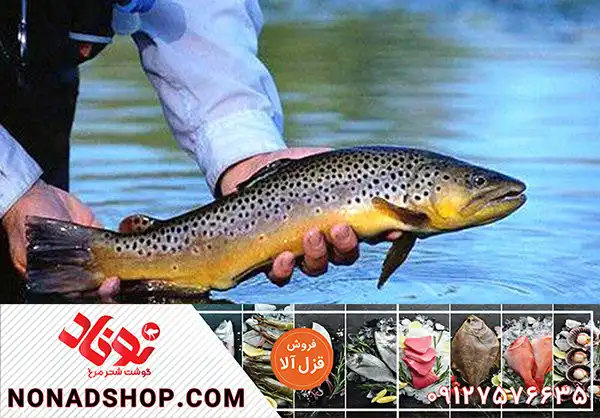
Iran has considerable experience in cold-water aquaculture, particularly trout farming. This experience, combined with the availability of cold-water resources in some mountainous regions, creates an opportunity to study the farming of **Swedish salmon**, particularly Atlantic salmon (*Salmo salar*).
However, commercial salmon farming in Iran requires careful environmental control because salmon are highly sensitive to water temperature, oxygen levels, and water quality.
Can Swedish Salmon Grow in Iran
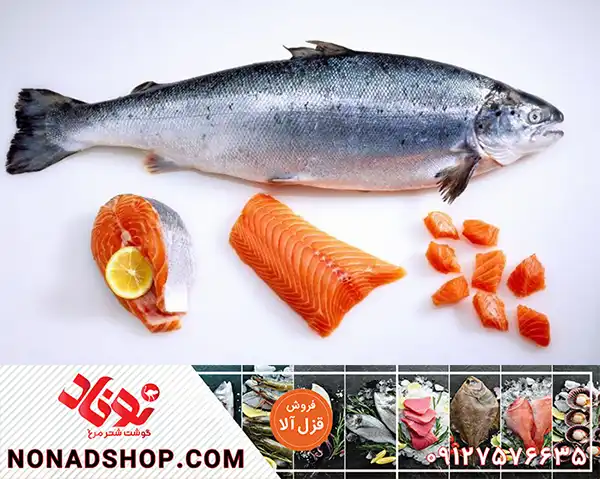
The answer is **potentially yes, but only under suitable conditions**. Salmon require relatively cold, clean, and oxygen-rich water. Regions with permanent cold springs, mountainous water resources, or modern water-cooling systems may be suitable for pilot salmon farming.
Water temperature is particularly important. Different life stages require different temperature ranges, while excessive temperatures can reduce appetite, growth, and overall fish health.
Possibility of Salmon Reproduction in Iran
Breeding Atlantic salmon in Iran is technically possible, but it requires specialized hatchery facilities. Successful reproduction depends on controlling:
* Water temperature
* Dissolved oxygen
* Water quality
* Light conditions
* Broodstock health
* Egg incubation conditions
* Disease prevention
Salmon spawning and egg development require significantly colder water than many conventional aquaculture systems in Iran can naturally provide during warmer months. Therefore, temperature-control technology may be necessary.
The Role of RAS Technology

**Recirculating Aquaculture Systems (RAS)** could be one of the most suitable technologies for salmon farming in Iran. RAS allows farmers to control temperature, oxygen, filtration, ammonia, and other important water-quality parameters.
This technology can reduce dependence on natural water conditions and make salmon production possible in locations where environmental conditions are not naturally ideal.
Suitable Areas for Salmon Farming
Potential locations should be selected based on actual water conditions rather than simply the name of a province. Mountainous areas of northern and western Iran, as well as locations with cold and reliable spring water, could be investigated.
Before investment, water temperature should be monitored throughout the year, particularly during the hottest summer months.
Main Challenges
The major challenges of developing salmon farming in Iran include:
* Maintaining suitable water temperature
* High energy costs for cooling
* Obtaining high-quality broodstock and eggs
* Specialized hatchery requirements
* Disease management
* Feed costs
* Skilled technical personnel
* Investment costs for RAS facilities
* Obtaining the necessary aquaculture permits
Economic Potential

The economic feasibility of salmon farming depends on production costs, feed prices, energy consumption, survival rate, growth performance, and market prices.
A **pilot-scale project** would therefore be a safer approach than immediately establishing a large commercial farm. Growth performance, feed conversion, mortality, energy consumption, and market demand should be evaluated before expanding production.
Conclusion
Iran has the basic potential to investigate Swedish or Atlantic salmon farming, particularly in areas with cold-water resources or through controlled RAS technology. However, successful commercial production and domestic reproduction require precise management of temperature, oxygen, water quality, nutrition, and fish health.
A practical strategy would be to begin with a **small pilot farm**, evaluate the biological and economic results, and then gradually develop commercial production and domestic salmon breeding capabilities.
FOR MORE INF CALL US IN
NONADSHOP.COM

PARVISICO.COM


بدون دیدگاه