
What is Tiger Shrimp
Among the numerous shrimp species in the world, Tiger Shrimp is a well-known and powerful name in the global seafood trade. This species, scientifically known as Penaeus monodon (Black/Giant Tiger Shrimp) and also Penaeus semisulcatus (Green Tiger Shrimp), is always at the top of the list for international buyers, luxury restaurants, and processing industries due to its large size, distinctive flavor, and striking appearance. If you are a trader or supplier looking for a product with a high profit margin and stable demand, understanding Tiger Shrimp is essential. In this article, we will fully introduce this valuable species, its technical specifications, diverse applications, and its strategic position in exports.
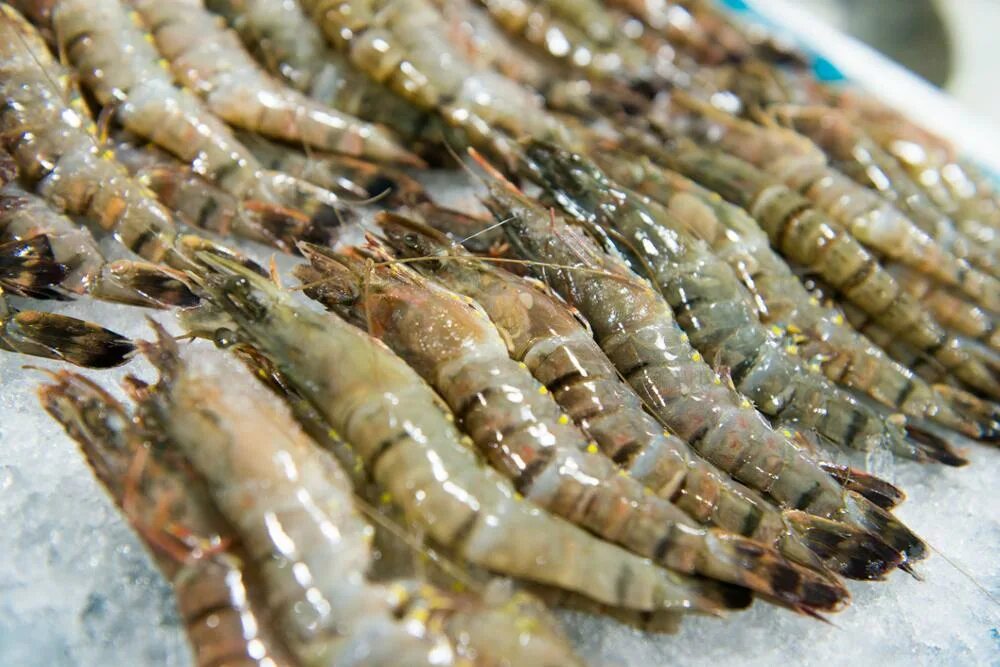
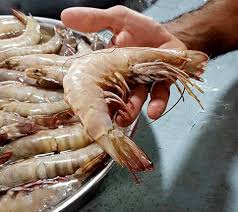
Tiger Shrimp refers to a group of large-sized shrimp from the Penaeidae family, whose main characteristic is the presence of transverse (striped) dark bands on the body and shell that closely resemble the stripes on a tiger. These bands are usually dark brown, black, or dark green on a lighter background, with color variations across different species.
The two main species traded under the name “Tiger Shrimp” in the commercial market are:
-
Black Tiger Shrimp (Penaeus monodon): The largest commercial shrimp species, native to the Indian Ocean and Western Pacific waters, and now mainly farmed in countries such as Vietnam, India, Indonesia, and Bangladesh.
-
Green Tiger Shrimp (Penaeus semisulcatus): A wild species native to the warm waters of the Persian Gulf, the Gulf of Oman, and parts of the Indian Ocean, where Iran is one of the primary fishing grounds in the world.
Technical and Quality Specifications of Tiger Shrimp
-
Size and Weight (Colossal Sizes)
The greatest commercial advantage of Tiger Shrimp is its large size. While other species are typically offered in sizes of 30 to 70 pieces per kilogram, Tiger Shrimp can easily reach sizes below 20 pieces per kilogram (U/10, U/12, U/15). Some wild-caught specimens even reach weights of 200 to 300 grams per piece. These large dimensions make it an irreplaceable option for whole plate presentation.
-
Unique Appearance and Presentation Value
-
Color and Stripe Pattern: The dark stripes on the shell are completely visible in the raw state, and after cooking, they turn into a deep red with white or orange stripes, creating a highly appetizing appearance.
-
Firm and Thick Shell: The carapace of the Tiger Shrimp is thick, providing better protection during transport and preventing the meat from falling apart during grilling and barbecuing methods.
-
Meat Texture and Flavor
-
Firm and Completely Meaty Texture: The flesh of the Tiger Shrimp is very dense and firm, offering a “bite-satisfying” and juicy texture after cooking, which is a gold standard in the restaurant industry.
-
Mild Sweet Taste with a Buttery Finish: Wild Tiger Shrimp (especially the Persian Gulf Green Tiger) has a sweeter and more delicate taste than farmed Tiger Shrimp. This rich flavor, resulting from natural feeding on the seabed and saline waters, reduces the need for heavy seasoning and makes it highly suitable for sushi, sashimi, and steaming.
-
Clearly Defined and Clean Dorsal Vein: The digestive vein in Tiger Shrimp is more visible due to the larger body size, making the deveining process easier for the professional consumer.
-
Nutritional Value and Health

Tiger Shrimp is an excellent source of lean protein, iodine, selenium, vitamin B12, and omega-3 fatty acids. Wild-caught specimens are free from antibiotics and growth hormones, and represent an inherent safety certificate for health-sensitive markets (such as the European Union and Japan).
Applications of Tiger Shrimp in the Food and Hospitality Industries
The variety of sizes and high visual quality make Tiger Shrimp suitable for a wide range of uses:
-
Fine Dining Restaurants: Grilled, barbecued, or fried Tiger Shrimp is served as a main course. Its large, majestic appearance turns the dinner plate into a work of art.
-
Sushi and Sashimi Industry: Raw or semi-cooked Tiger Shrimp (Ebi) is one of the most popular items on Japanese restaurant menus due to its sweetness and meaty texture.
-
Value-Added Processing:
-
Butterfly Shrimp: Due to its wide body and thick meat, it creates a very clean butterfly cut.
-
Tempura and Breaded Shrimp: Tiger Shrimp is large enough that a single shrimp can serve as a complete tempura portion.
-
Skewered Shrimp: Maintains its integrity on the skewer for seafood kebabs.
-
Catering and Airline Catering: Jumbo and Colossal sizes are the standard for the business and first-class menus of international airlines.
The Position of Tiger Shrimp in Exports and the Global Market
Tiger Shrimp is a luxury commodity in the seafood category, and its position in exports can be examined from several angles:
-
Stable Demand and High Prices in Target Markets
European Union countries (especially Spain, France, Italy), Japan, China, the United Arab Emirates, and Russia are the largest importers of Tiger Shrimp. Customers in these markets know well the difference between a wild Persian Gulf Tiger Shrimp and a regular farmed shrimp, and are willing to pay a significant premium for higher quality. The price per kilogram of large Tiger Shrimp (sizes U/10 to U/15) can be several times higher than medium-sized shrimp.
-
Iran’s Competitive Advantage in Wild Green Tiger Shrimp
Iran is recognized as one of the most important fishing grounds for Green Tiger Shrimp (Penaeus semisulcatus) in the world. The fishing of this species takes place in the waters of the Persian Gulf and the Gulf of Oman, and the label “Wild-Caught Persian Gulf Green Tiger Shrimp” is a credible and recognized brand in international markets. This product:
-
Is completely organic and wild-caught.
-
Has a unique identity in terms of color (greenish-gray with dark green stripes) and flavor.
-
Due to seasonal fishing restrictions and the ban on fishing during the spawning period, it is a relatively scarce and strategic commodity.
-
Flexibility in Export Packaging
For export, Tiger Shrimp can be offered in various forms, each with its own specific target market:
-
HOSO (Head-On, Shell-On): Popular in China and Southeast Asia.
-
HLSO (Headless, Shell-On): The best-selling form for Europe and Russia.
-
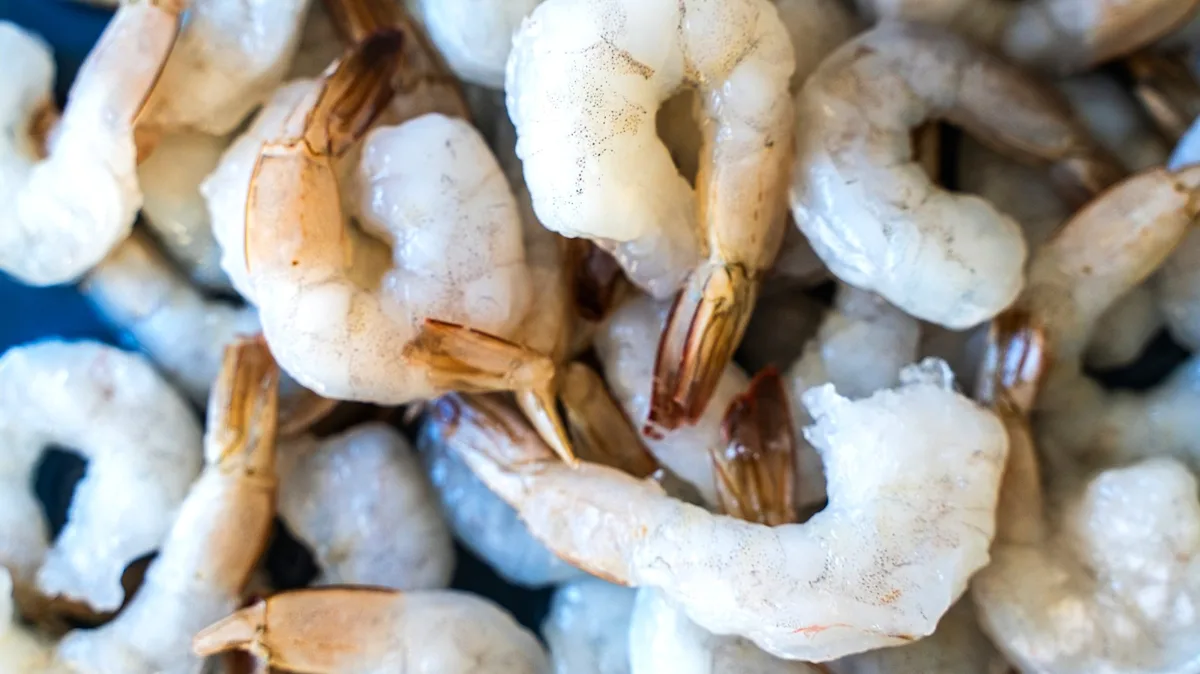
PDTO (Peeled, Deveined, Tail-On): Suitable for the food industry and chain hypermarkets.
-
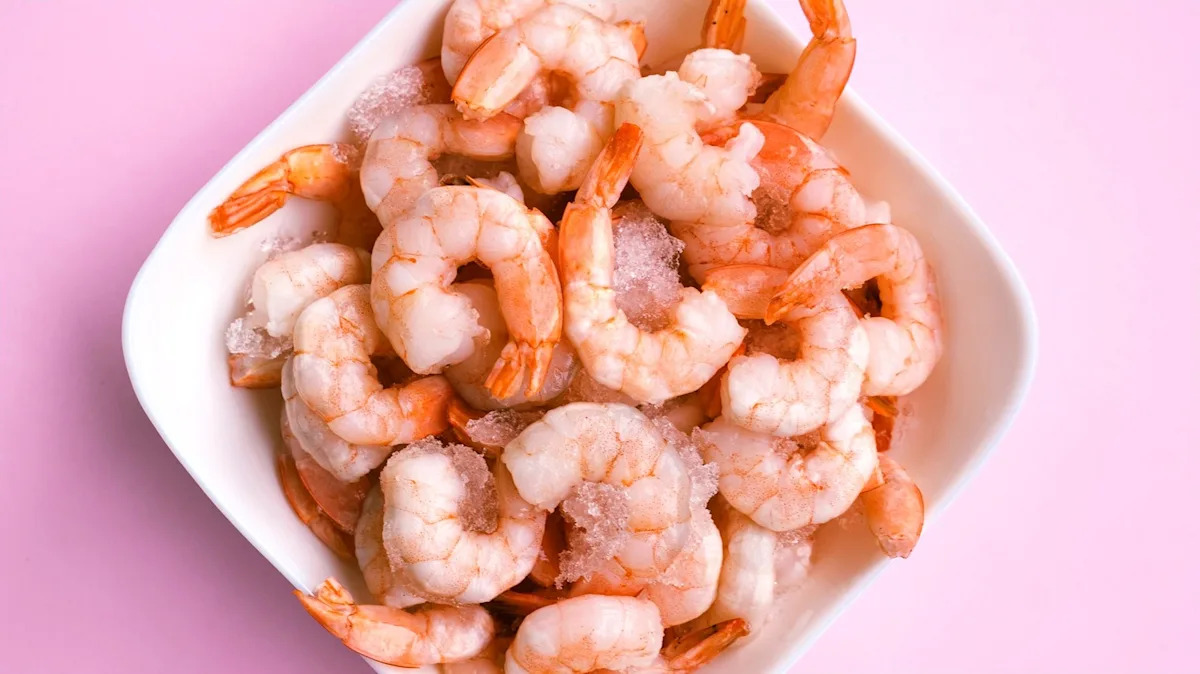
IQF (Individually Quick Frozen): For high-value-added retail packaging.
Conclusion
Tiger Shrimp is not just a seafood product; it is a global brand in the aquaculture trade. Features such as super-colossal size, firm and juicy texture, attractive striped appearance, natural sweet taste, and wide application in luxury food industries have made it the star of exports. For traders, investing in the Tiger Shrimp trade, especially the high-quality wild type from the Persian Gulf, means entering a market with high demand, excellent profit margins, and international prestige.
If you are looking for export-grade Tiger Shrimp with the highest quality standards and professional packaging, our team
NONADSHOP TRADE COMPANY
http://PARVISICO.COM


بدون دیدگاه