
What is IQF Shrimp
In the global seafood trade, the method of freezing is just as important as the quality of the shrimp itself. For importers, distributors, and food service professionals, the acronym IQF is a decisive factor when choosing a supplier. But what exactly is IQF shrimp, and why has it become the gold standard in international shrimp exports? This article provides a complete commercial guide to IQF technology, its unmatched benefits, the strict standards behind it, and the reasons for its soaring popularity among foreign buyers.
What Does IQF Mean
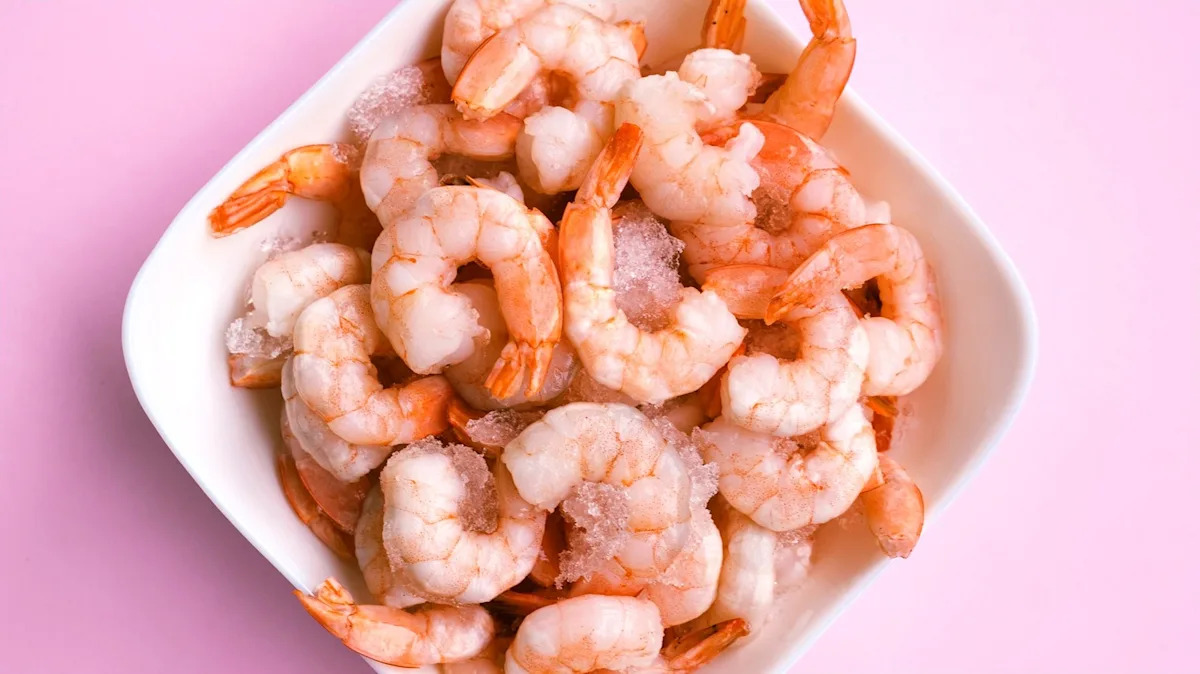
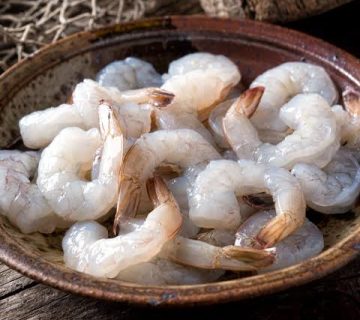
IQF stands for Individually Quick Frozen. Unlike traditional block freezing — where multiple shrimp are frozen together into a solid ice block — IQF technology freezes each shrimp separately and extremely rapidly. This is achieved by passing individual shrimp through a blast freezer tunnel where extremely cold air (typically -35°C to -40°C) circulates at high speed. As a result, each shrimp becomes a separate, loose, easy-to-handle piece that you can pour directly from the package, taking only the quantity you need.
This method preserves the shrimp’s cell structure, shape, and natural juices far better than slow or block freezing. For the commercial buyer, IQF means convenience, reduced waste, and a significantly higher-quality end product.
Key Advantages of IQF Shrimp for Commercial Buyers
-
Portion Control and Zero Waste
The biggest operational headache for restaurants, hotels, and processors is thawing an entire block of shrimp just to use a small portion. With IQF shrimp, you can open a master carton and take out exactly the number of pieces needed — be it 50 or 500. The rest remains safely frozen. This flexibility:
-
Eliminates unnecessary thawing and refreezing, which degrades texture and increases health risks.
-
Reduces food waste dramatically, directly improving your kitchen’s profitability.
-
Simplifies inventory management, allowing you to use the exact count per dish or production batch.
-
Superior Visual Quality and Natural Appearance
IQF freezing happens so quickly that large ice crystals cannot form inside the shrimp’s muscle fibers. Slow freezing tears cell walls, leading to drip loss and mushy texture upon thawing. IQF technology preserves:
-
The original shape and natural curve of the shrimp, crucial for plate presentation.
-
The vivid natural color (the tiger stripes, the pink hue, the blue tails), making the product visually superior to block-frozen alternatives that often appear dull and flattened.
-
A glossy, clean surface free of thick layers of ice glaze, which is an immediate signal of premium quality to the end buyer.
-
Minimal Dehydration and Freezer Burn
Block-frozen shrimp that sit in storage for months are highly susceptible to freezer burn — those unsightly white, dried patches that ruin taste and texture. The rapid freezing and the thin, protective ice glaze applied during the IQF process lock in the shrimp’s natural moisture. This results in:
-
Extended shelf life without quality deterioration.
-
A juicier, firmer bite after cooking, indistinguishable from fresh product when handled correctly.
-
Consistent Glazing and Honest Net Weight
IQF lines apply a precisely controlled thin layer of protective water glaze (typically 10–15%, and adjustable to buyer specifications). This is far more transparent than the often excessive, non-uniform glazing on block-frozen products. Importers receive a product where the declared net weight accurately reflects the amount of shrimp meat they are paying for — a critical factor for cost-conscious procurement managers.
-
Versatile Secondary Processing
Because the shrimp are separate and loose, IQF products are ideal for further value-added processing:
-
Retail packing: Ready to be packed into small consumer bags directly.
-
Breading and tempura lines: Individual shrimp can be taken straight from the freezer to the production line without clumping.
-
Mixed seafood packs: Easily combined with scallops, squid, and vegetables in exact proportions.
International Standards Behind Quality IQF Shrimp
For an export-oriented business, producing IQF shrimp is not just about owning a freezer. It requires strict adherence to globally recognized food safety and quality management systems. Professional foreign buyers expect suppliers to comply with:
-
HACCP (Hazard Analysis and Critical Control Points): A systematic preventive approach to food safety that identifies physical, chemical, and biological hazards in the production process. Every reputable IQF facility operates under a fully implemented HACCP plan.
-
BRC Global Standard for Food Safety (BRCGS): Often a mandatory requirement for exporting to the UK and major European retailers. BRC certification assures that the facility meets the highest levels of hygiene, traceability, and quality management.
-
IFS (International Featured Standards): Similarly accepted across Europe, with a focus on product and process quality.
-
ISO 22000: An international standard for food safety management systems that combines HACCP principles with interactive communication and system management.
-
EU Approval Code: For any exporter targeting the European Union, the processing facility must have an EU approval number, demonstrating compliance with the EU’s stringent hygiene regulations for fishery products.
These certifications are not just paperwork — they are the buyer’s guarantee that the IQF shrimp they import has been processed under sanitary conditions, with full batch traceability from the fishing vessel or pond to the final frozen carton.
Why IQF Shrimp Dominates the Export Market
-
It Solves the End-User’s Real Problem
The international market has shifted. The modern consumer and food-service operator demand convenience without sacrificing quality. IQF shrimp perfectly answers this demand. The ability to use “just what you need” gives IQF products a massive competitive edge over traditional block-frozen offerings.
-
Higher Perceived Value, Higher Margins
IQF packaging — often a transparent bag with a header card or a neat retail box — allows the product’s natural beauty to sell itself. A bag of separately frozen, large, beautifully colored tiger shrimp commands a retail price far superior to a frozen block of the same size. This brandable advantage translates into better margins for the entire supply chain, from exporter to supermarket.
-
Cold Chain Efficiency and Logistics
IQF products are typically packed in master cartons that stack efficiently. Since they do not need to be thawed as a single mass, they are easier to handle in cold storage warehouses and during last-mile delivery. Portions can even be distributed partially thawed in refrigerated trucks for immediate use, whereas block-frozen shrimp must remain deeply frozen until full thawing.
-
Broad Acceptance Across All Market Segments
From high-end Japanese sushi counters (who value IQF for its “fresh-like” texture) to large-scale catering companies (who value exact portion control), to retail chains (who value attractive packaging and consumer convenience), IQF shrimp fits every sales channel. This universality ensures stable, year-round demand from importers across the globe.
Conclusion: IQF is a Commercial Imperative
IQF shrimp is not merely a format; it is a commercial statement of quality and reliability. By investing in IQF technology and maintaining internationally recognized certifications, an exporter signals to the global market that they understand and meet the real needs of modern seafood buyers: quality, convenience, food safety, and transparency.
For importers and wholesale distributors, sourcing premium IQF shrimp means fewer customer complaints, faster inventory turnover, and a stronger brand offering to your own clients. It is a win-win proposition that has rightfully made IQF the dominant form of frozen shrimp in international trade.

بدون دیدگاه