
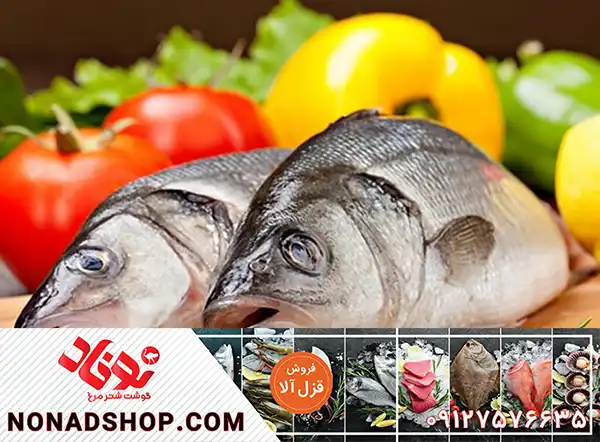
The Strategic Role of Salmon Exports in Iran’s Economic Diplomacy
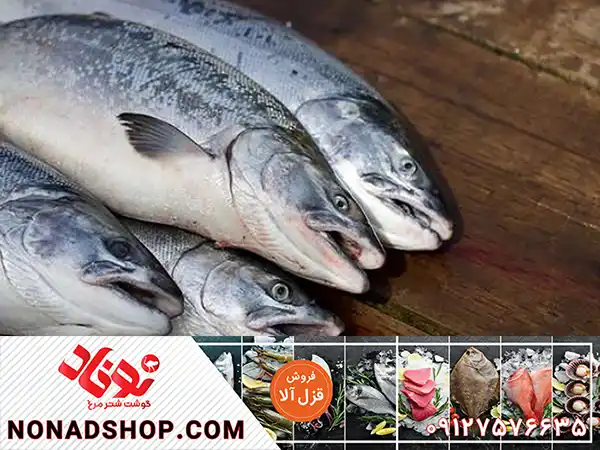
Meta Description: How has Iranian salmon exports become a powerful tool in the country’s economic diplomacy? This article examines the impact of quality, international standards, and fishery product branding on the expansion of global trade interactions and Iran’s soft power.
The expansion of international economic engagement is the cornerstone of soft power and political influence for nations in the 21st century. In this context, Iran, leveraging its unique fisheries capacities, particularly in the production and export of salmon, has been able to usher in a new chapter of economic diplomacy. But how can a product like farmed salmon transcend its role as a mere food commodity and become a strategic asset in foreign policy? In this article, we examine the pivotal role of Iran’s salmon exports in strengthening trade relations, improving the national image, and advancing economic diplomacy objectives.
What is Economic Diplomacy and Why Does Salmon Matter
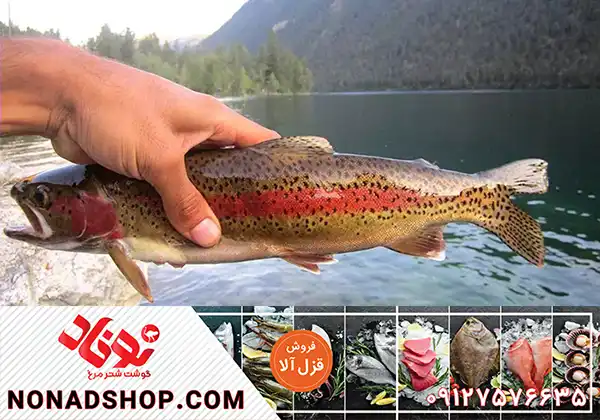
Economic diplomacy refers to the use of trade tools, investment, and productive capabilities to achieve foreign policy goals and national interests. For a country like Iran, which seeks to diversify its sources of foreign currency and reduce dependence on oil, non-oil exports play a vital role. Fishery products, particularly high-value cold-water fish such as salmon, have become a powerful diplomatic instrument for the following reasons:
-
A Consumer Good with Sustainable Global Demand: Unlike petrochemical products, salmon lands directly on the tables of foreign consumers, creating a sensory experience of Iran’s quality and taste.
-
A Symbol of Technological Capability: Producing export-quality salmon requires advanced technical knowledge (from RAS systems to ASC standards). The export of this product showcases Iran’s technological prowess.
-
A Carrier of the National Brand “Iran”: Every package of exported salmon fillet is a cultural-economic ambassador that embeds the concept of “Iranian quality” in global markets.
Pathways of Influence: How Salmon Exports Impact Iran’s Economic Diplomacy
-
Creating Positive Economic Interdependence
When Iran becomes a stable supplier of healthy, high-quality protein to neighboring countries and distant markets, a win-win relationship is formed. Russian, Arab, and Asian importers become reliant on Iran’s supply chain, and this mutual dependence acts as a green light for facilitating negotiations in other trade and even political spheres.
-
Overcoming Non-Tariff Barriers and Enhancing National Image
A product that enters the European market with rigorous certifications such as EU Organic, ASC, and HACCP practically proves the high production standards in Iran. This directly counters the narrative war against the country and replaces media stereotypes with the image of a law-abiding, hygienic, and environmentally committed nation.
-
Diversifying the Foreign Currency Portfolio and Increasing Bargaining Power
Every shipment of exported salmon generates sustainable, sanctions-resistant foreign currency income. This revenue stream increases the government’s leverage in bilateral trade negotiations and strengthens the national currency. In other words, success in fisheries exports adds weight to Iran’s presence in international trade organizations.
-
Activating Transit and Logistics Corridors
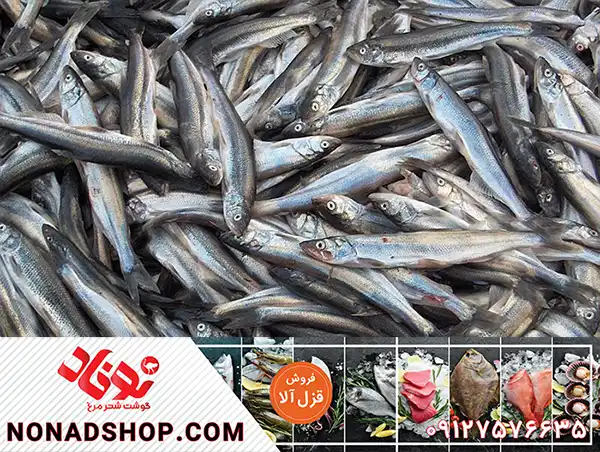
The export of fresh salmon requires an advanced cold chain and rapid transportation. This necessity drives Iran to develop air and land corridors with target countries. The logistical infrastructure built for salmon exports subsequently paves the way for the trade of thousands of other goods, transforming the country into a regional hub.
-
Nation Branding and Food Soft Power
Food is one of the most powerful tools of public diplomacy. Launching the collective brand “Iranian Salmon” in chain stores across the Persian Gulf states, Russia, and Asia not only yields economic benefits but also links the consumer’s mindset to concepts of authenticity, taste, and health. This is the very soft power that begins on the dinner plate.
Mazandaran Province: The Vanguard of Iran’s Fisheries Diplomacy
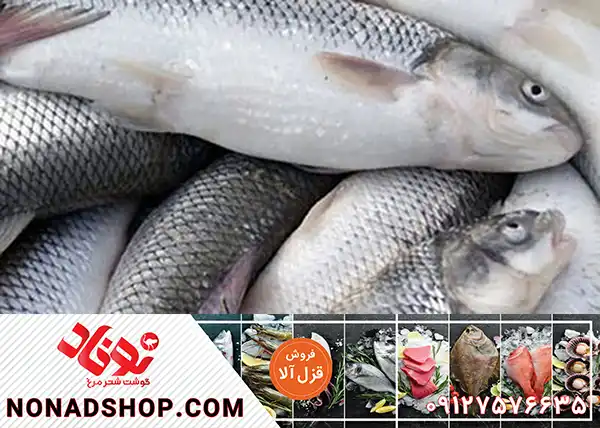
In this landscape, the role of Mazandaran Province as the nation’s salmon production hub is irreplaceable. The province’s modern farms, utilizing Recirculating Aquaculture Systems (RAS) and adhering to rigorous health protocols, produce a product that competes on the global stage alongside names like “caviar” and “saffron.” Virtually every export shipment loaded from Mazandaran represents a step forward in Iran’s international engagement.
Practical Examples of Iran’s Salmon Economic Diplomacy
-
Engagement with the Eurasian Economic Union: Iran’s preferential trade agreement with this union has reduced tariffs on salmon exports to Russia and member states, strengthening the presence of Iranian products on the tables of millions of Eurasian citizens. This success has directly influenced the improvement of the political dialogue climate.
-
Penetration into the Gulf Cooperation Council Market: The continuous export of salmon with Halal certification and luxury packaging to the UAE, Qatar, and Oman demonstrates Iran’s capability to supply strategic food commodities to its southern neighbors and serves as a foundation for developing non-oil economic cooperation.
Challenges and Requirements for Strengthening Salmon-Centric Economic Diplomacy
To maximize the effectiveness of this potential, certain challenges must be overcome:
-
Strengthening a Centralized National Brand: Preventing the fragmentation of the “Iran” brand by disparate exporters and creating a unified, internationally recognized quality mark.
-
Developing Air-Based Cold Chain Logistics: Increasing dedicated air cargo capacity for perishable goods to distant destinations such as East Asia and Europe.
-
Production Sustainability: Investing in a local eyed-egg bank and reducing dependence on the import of key inputs to guarantee continuity of supply.
Conclusion
Every Package of Salmon is a New Trade Agreement
Salmon exports are no longer just an economic activity; this product has become a symbol of Iran’s technical capability, global standards, and commitment to responsible trade. In a world where trade relations determine political ties, every fillet of farmed Mazandaran salmon sold in a supermarket in Doha, Moscow, or Seoul opens the gates of Iran’s economic diplomacy one step further.
The trading companies active in this field play a role beyond that of a supplier; they are the frontline soldiers of the country’s food and economic diplomacy.
NONADSHOP.COM
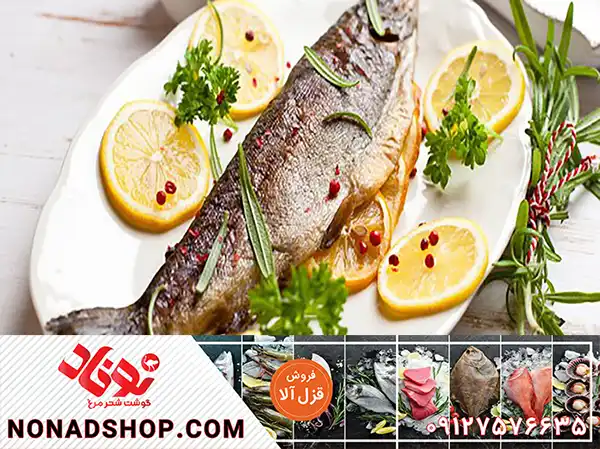
COMPANY WITH HIS EXPERIENCE IN EXPORT SALMON READY FOR START TRADE PROCESS IN EXPORT AND IMPORT GOODS TO ALL THE WORLD…

بدون دیدگاه