
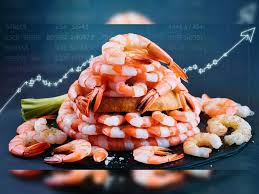
What Are the Characteristics of Sea Shrimp
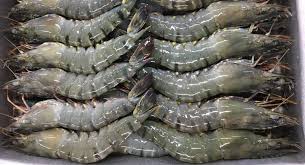
Shrimp is one of the most widely consumed and profitable seafood items in the global food trade. However, among the different types of shrimp, sea shrimp (wild-caught from open waters) holds a special place for wholesale buyers, international restaurants, and processing plants. If you are involved in the export, import, or wholesale distribution of shrimp, understanding the unique characteristics of wild shrimp and the reasons for its commercial popularity is a major competitive advantage. In this article, we address these questions thoroughly.
Unique Characteristics of Wild-Caught Sea Shrimp
Sea shrimp, caught from natural habitats such as the Persian Gulf, the Gulf of Oman, the Indian Ocean, or other waters around the world, differs clearly from farmed shrimp in terms of physical appearance, flavor, and nutrition.
-
Attractive, Natural Color and Appearance
-
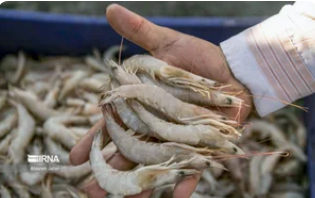
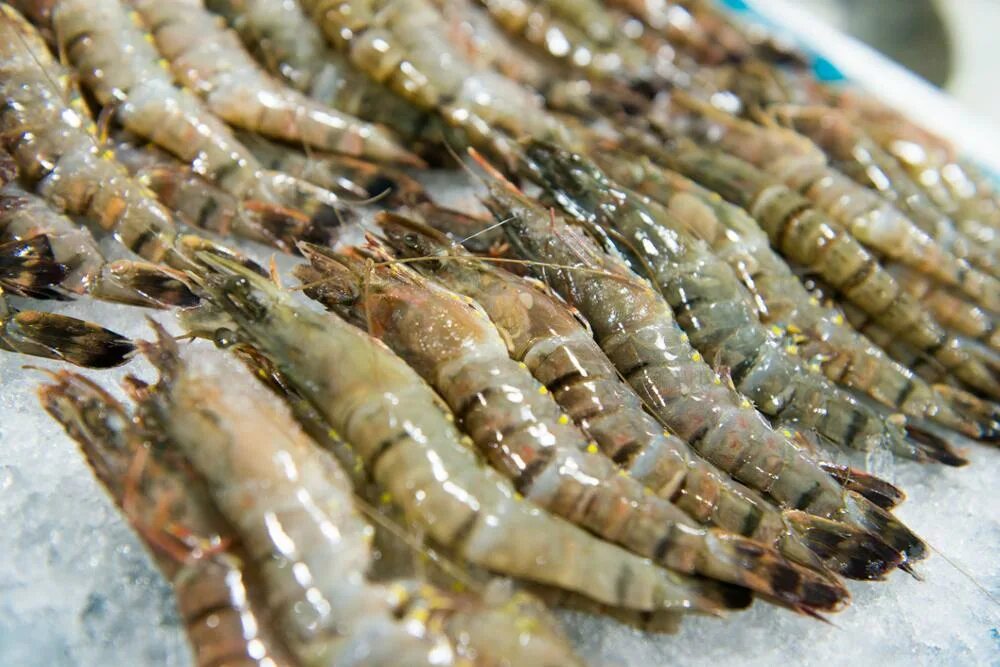
Diverse, natural coloring: Depending on the species and seabed environment, wild shrimp come in shades ranging from soft red, pink, and orange to striped or spotted brown. Unlike farmed shrimp, which are usually a uniform grayish-blue, this natural color variation is a clear sign of authenticity and a natural diet.
-
Firmer, shinier shell: Because they move freely in ocean currents and feed from the seabed, the carapace of wild shrimp is thicker, glossier, and more resilient. This sturdiness is a significant advantage for long-distance transport and export packaging.
-
Firm and Completely Meaty Texture
The most important organoleptic (sensory) characteristic of wild shrimp is the firmness and integrity of its texture.
-
Due to swimming long distances and fighting the waves, the muscles of wild shrimp are well-exercised and dense.
-
After cooking, biting into a wild shrimp delivers a delightfully “springy and crunchy” sensation, which is rarely experienced with the softer texture of farmed shrimp. This quality makes wild shrimp the top choice of professional chefs for dishes like grilled shrimp, tempura, and simply steamed presentations.
-
Richer Flavor and Aroma (Taste of the Sea)
-
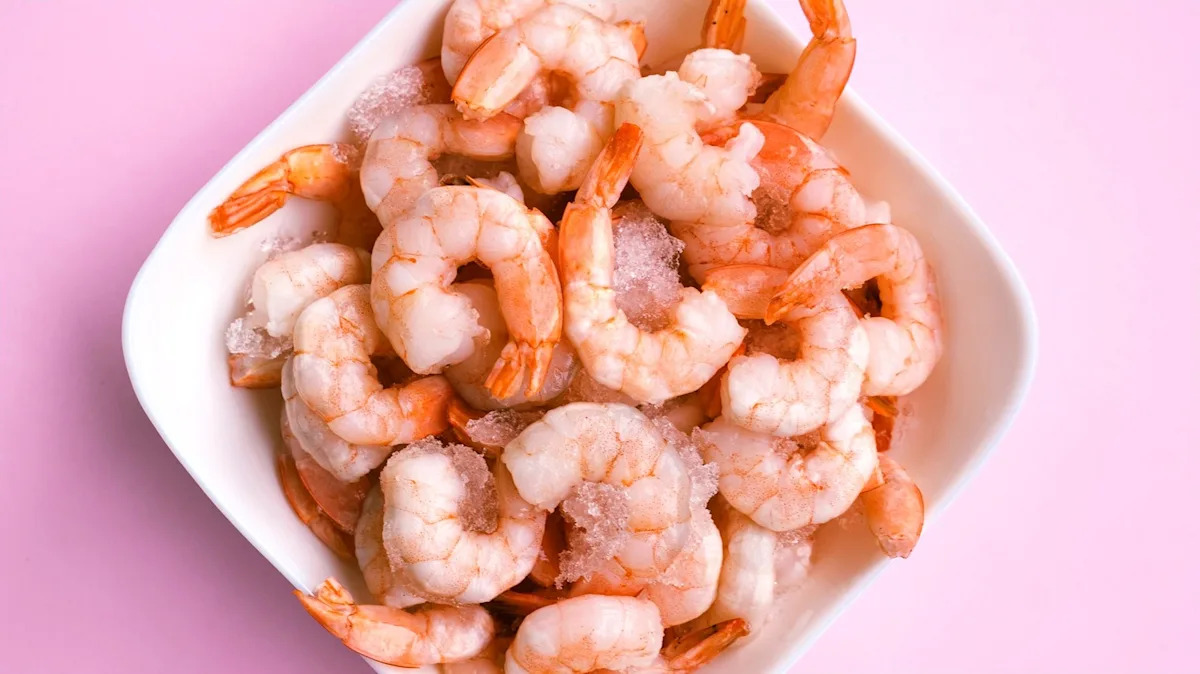
Mild to sweet taste with a marine aftertaste: The natural diet of wild shrimp consists of phytoplankton, zooplankton, and small benthic crustaceans, giving the meat a complex, sweet flavor with a distinct “umami” character. Professional buyers in East Asian, European, and Arab markets recognize this natural aroma and flavor as the “signature of quality.”
-
No muddy taste: Unlike some farmed shrimp raised in earthen ponds that can develop a muddy or silty taste (which sometimes requires chemical washing), wild shrimp is completely clean and free from any off-flavors.
-
Higher Nutritional Value and Health Benefits
-
More iodine and minerals: Wild shrimp meat is a rich source of natural iodine, selenium, zinc, and magnesium.
-
A more ideal omega-3 fatty acid profile: The fatty acid profile in wild shrimp is more favorable for cardiovascular health due to their natural food sources, with a more balanced omega-3 to omega-6 ratio compared to farmed shrimp (which are fed processed feed).
-
Free from antibiotics and chemicals: This is a major commercial trump card. Wild shrimp grow in a natural, uncontrolled environment and contain no traces of the antibiotics and growth promoters commonly used in shrimp farms. Health-conscious markets (especially the European Union, with its stringent standards) see this feature as an absolute necessity.
Why Is Wild-Caught Sea Shrimp More Popular in the Commercial Market?
From a trader’s or merchant’s perspective, a commodity’s “superiority” isn’t just about taste — it’s about profitability, demand, and ease of doing business. Wild shrimp wins in the B2B market across five key areas:
-
Premium Branding and Value
The phrase “Wild Caught” on the packaging is a golden label. End consumers in target markets (Europe, North America, Japan, and the UAE) are willing to pay more for this term. This branding allows importers and distributors to sell wild shrimp at a higher profit margin compared to farmed shrimp. The commercial popularity of this product is directly rooted in its brand-added value.
-
Stability and Shelf-Life in Cold Storage
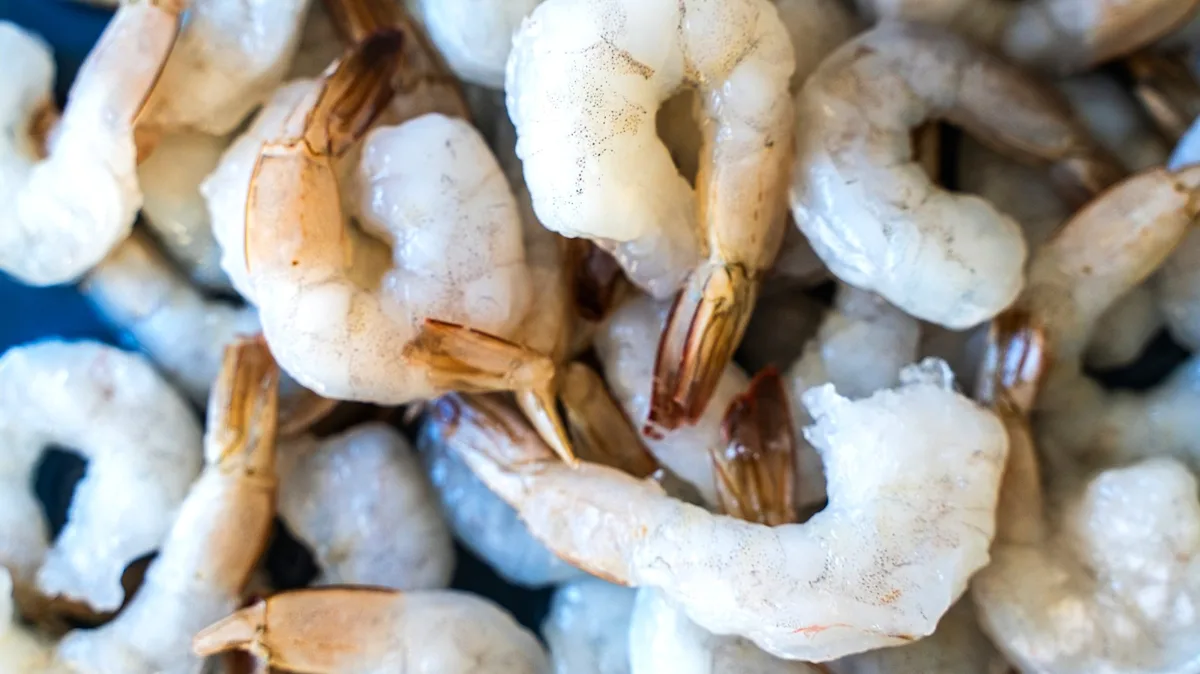
Due to their dense texture and stronger shell, wild shrimp better withstand the processes of Individual Quick Freezing (IQF) or block freezing.
-
They are less susceptible to freezer burn.
-
Weight loss due to glazing during long-term storage is lower.
-
This high durability allows traders to buy during the fishing season, keep the product in cold storage for extended periods, and supply it gradually throughout the year without compromising quality.
-
Large Sizes and Thirsty Markets
A product’s commercial popularity is tied to market demand. In nature, shrimp have ample time to fully grow and reach large sizes (Large, Jumbo, Colossal). Luxury restaurants, hotels, and airline catering services seek large, uniformly sized, and impressive-looking shrimp. Wild shrimp fulfill this need much better than small and medium-sized farmed shrimp; consequently, the market always has a strong appetite for wholesale purchases of these larger sizes.
-
Easier Customs Clearance
Countries exporting wild shrimp (such as Iran with its Green Tiger Shrimp from the Persian Gulf) usually face simpler health certification protocols for “wild-caught” products compared to those for farmed shrimp, which require complex feed and medication data sheets. The absence of concerns about drug residues dramatically reduces the risk of a shipment being rejected at destination laboratories and accelerates cash flow turnover.
-
Flexibility in Processing
Wild shrimp come in a high variety of species (Green Tiger, Pink, White Indian, Banana shrimp, etc.), making them suitable for all types of processing:
-
HOSO (Head-On, Shell-On): For retail markets in Asian countries.
-
HLSO (Headless, Shell-On): For European and Russian markets.
-
PUD/PDTO (Peeled, Undeveined / Peeled, Deveined, Tail-On): For the food industry and restaurant chains.
This diversity in the final product broadens the range of commercial customers.
Conclusion: The Smart Choice for Sustainable Trade
Wild-caught sea shrimp is not just a food item; it is a strategic commodity in global trade. Its unique characteristics — firm texture, naturally sweet taste, absence of antibiotics, large sizes, and natural coloring — combined with commercial advantages such as high brand value, long cold-storage shelf life, and eager demand from premium markets, make this product the unrivaled star of commercial markets.
If you are looking for high-quality wild shrimp sourced from reputable fishing grounds, our trading team
NONADSHOP TRADE COMPANY

بدون دیدگاه