

The Role of Maritime Logistics in Exporting Chicken Feet from Iran
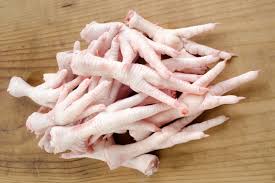
Exporting Chicken Feet from Iran
In recent years, exporting chicken feet from Iran has become a highly profitable business opportunity. However, what delivers this perishable product from a warehouse in Bandar Abbas to the markets of East Asia is nothing less than a sophisticated and precise maritime logistics network. This article focuses specifically on sea routes, origin and destination ports, active shipping lines, and operational challenges in this trade
The Role of Maritime Logistics in Exporting Chicken Feet from Iran so important now.
http://parvisico.com

Most Important Maritime Routes for Chicken Feet Export from Iran
Exports of chicken feet from Iran primarily use two southern sea corridors. The choice depends on proximity to target markets, refrigerated infrastructure, and shipping costs.
Persian Gulf to East Asia Route (Busiest Corridor)
-
Main origin port: Shahid Rajaee Port (Bandar Abbas)
-
Alternative port: Imam Khomeini Port (Khorramshahr)
-
Main destinations:
-
Tianjin Port (China)
-
Shanghai Port (China)
-
Ho Chi Minh City Port (Vietnam)
-
Port Klang (Malaysia)
-
Laem Chabang Port (Thailand)
-
Transit time: 14–25 days (depending on carrier and number of transshipments)
-
Active shipping lines:
-
Irisl (Iran Islamic Republic Shipping Lines)
-
SISL (South Shipping Line Iran)
-
IRISL
-
Foreign operators such as MSC, COSCO, Evergreen (in cooperation with local lines)
Operational note: For chicken feet shipments, direct services from Bandar Abbas to Tianjin are critical. Any unnecessary transshipment increases the risk of cold chain disruption.
Gulf of Oman to India & Southeast Asia Route (Secondary but growing)
-
Origin port: Chabahar (due to proximity to open seas and shorter transit)
-
Destinations:
-
Mumbai Port (India)
-
Karachi Port (Pakistan)
-
Jakarta Port (Indonesia)
-
Transit time: 5–10 days (much faster than the Persian Gulf route)
-
Challenge: Lack of regular reefer container services at Chabahar; most shipments must first be routed back to Bandar Abbas.

Role of Origin Ports in Export Success
Port Key Advantage Limitation
Shahid Rajaee Port Access to 95% of reefer shipping lines; dedicated reefer container berths Congestion and delays during peak export season
Imam Khomeini Port Proximity to slaughterhouses in Khuzestan and Ilam (reduces land transport) Fewer direct lines to China
Chabahar Port Saves 3–5 days of transit time to India and Indonesia Limited refrigerated infrastructure
http://parvisico.com
Technical Standards for Maritime Transport of Chicken Feet
To ensure cargo integrity on sea routes, the following are essential:
-
Temperature: -18°C (constant throughout the journey)
-
Reefer container ventilation: OFF (to prevent product drying)
-
Pre-cooling: Container must be pre-cooled for at least 12 hours before loading at the port.
-
Shipping documents:
-
Veterinary Health Certificate (approved by Iran Veterinary Organization)
-
Microbial analysis report (required by destination country)
-
Bill of Lading with temperature-controlled clause
Specific Challenges in Maritime Chicken Feet Export from Iran
-
Freight rate fluctuations – During peak season (October to February), reefer container freight from Bandar Abbas to Tianjin can rise by up to 40%.
-
Reefer container shortages – Especially during hot months when perishable food exports increase.
-
International sanctions – Limit access to foreign shipping lines, forcing exporters to rely on domestic lines or risky intermediaries.
-
Cargo rejection/loss – If the container’s cooling system fails mid‑voyage, the entire shipment is condemned.
Practical Tips for Success on Sea Routes
-
Choose a shipping line with proven reefer experience – verify through Iran Veterinary Organization’s approved list.
-
Specialized cold chain insurance – that covers refrigeration equipment failure, not just sinking or fire.
-
Book containers at least 2 weeks in advance – especially on high‑demand routes like Bandar Abbas to Tianjin.
-
Use a freight forwarder with an office at the destination port – to speed up customs clearance and avoid containers sitting in warm dock air.
Summary for Business Managers
If you are planning to export chicken feet from Iran, the Bandar Abbas – Tianjin direct route using IRISL or South Shipping Line remains the most reliable corridor. For the Indian market, the Chabahar – Mumbai route, though shorter, requires very close coordination with the limited lines operating there. In both cases, investing in early reefer container booking and working with a specialized maritime forwarder is the difference between millions in profit and total loads.

NONADSHOP TRADE COMPANY
http://parvisico.com
WITH HIS ABILITY IN LOGISTIC AND TRADE AND EXPORT GOODS READY FOR HELP TO ALL BUSINESS IN TRADE
CALL US FOR MORE INFO



بدون دیدگاه