
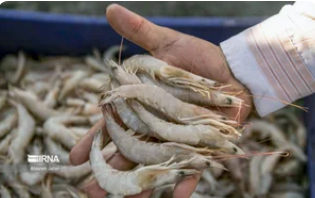
The Potential of Exporting Iranian Farmed Shrimp to Southern European Countries in 2025
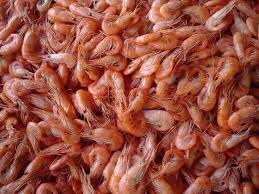
-
Production and Export Status of Iranian Farmed Shrimp
-
Iran produces approximately 45,000 to 47,000 tons of shrimp annually, accounting for 1.04% of global production. Of this, only about 10,000 tons are consumed domestically, with the remainder exported to various countries.
-
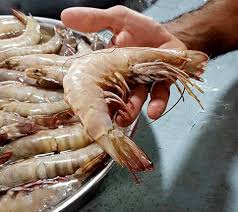
The main species farmed in Iran is the whiteleg shrimp (Litopenaeus vannamei), known for its high growth rate and quality, which has gained attention in global markets.
-
In recent years, Iran’s exports of farmed shrimp to the European Union have seen a remarkable 522% increase, indicating growing demand and acceptance of Iranian shrimp quality in European markets.
-
Target Markets: Southern European Countries
-
Southern European countries such as Spain, Italy, France, and Romania are significant markets for Iranian shrimp exports. These countries have high seafood consumption and strong purchasing power, making them attractive destinations.
-
Spain and Italy, as the largest shrimp importers in Europe, are among the main destinations for Iranian shrimp. Exports to these countries have increased in recent years.
-
Competitive Advantages of Iranian Shrimp
-
High Quality: Iranian farmed shrimp is known for its high quality due to the use of advanced farming technologies and adherence to health standards.
-
Competitive Pricing: Lower production costs compared to some Asian and Latin American competitors allow for more competitive pricing.
-
Market Diversity: Iran has successfully entered stringent European markets, demonstrating its ability to compete with major global producers.
-
Challenges and Solutions
-
Tariff Barriers: The European Union imposes high import tariffs on shrimp. Overcoming these barriers requires trade negotiations and the use of tariff exemptions.
-
Stringent Standards: European countries have strict standards for health, safety, and environmental practices. Compliance with these standards and obtaining international certifications is essential.
-
Sanctions: Economic sanctions can negatively impact Iran’s trade relations with Europe. Using indirect trade channels and working with intermediary companies can help mitigate these effects.
-
Future Opportunities
-
Given the increasing consumption of seafood in Europe and the growing demand for high-quality shrimp, Iran can capture a larger share of Southern European markets by expanding its farming and export infrastructure.
-
Investment in packaging, cold chain logistics, and international marketing can further boost exports.
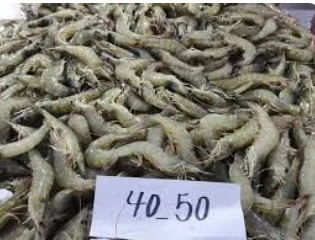
Conclusion
Exporting Iranian farmed shrimp to Southern European countries in 2025 presents significant opportunities for Iranian producers and exporters. Despite challenges such as tariff barriers and stringent standards, the potential for growth in these markets is high. With careful planning and investment in quality and marketing, Iran can increase its share in European markets.
In the end of essay we should say that
NONADSHOP GROUP
Ready for help to trader in export and import sea food and goods related to sea
For more info call us


بدون دیدگاه