

Weight and Packaging Standards for the Export of Chicken Paws from Iran to China
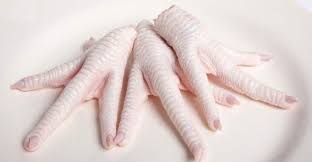
The export of chicken paws from Iran to China has attracted significant attention from traders, merchants, and poultry industry stakeholders as a highly profitable economic opportunity. This product, which was previously primarily used for domestic consumption or animal feed, has now become a strategic export commodity due to high demand in the Chinese and other Asian markets.
Optimal Weight Range
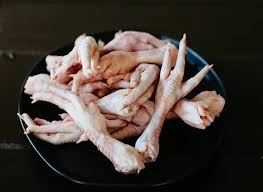
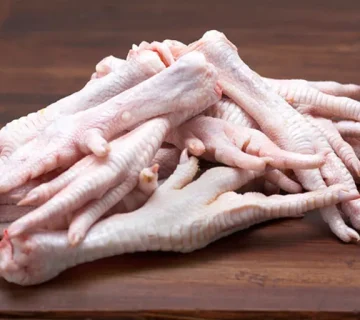
Based on international standards and the requirements of the Chinese market, the ideal weight for export chicken paws is considered to be between 35 and 45 grams. This weight range is determined according to the type of use and the taste of Chinese consumers. Paws weighing less than 35 grams are typically used for specific purposes such as soups and home cooking, while paws weighing more than 45 grams are used for restaurants and larger food industries.
Grading Based on Weight and Quality
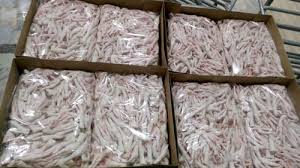
Export chicken paws are classified into three main grades based on various criteria, including weight, size, the incidence of foot pad lesions, and the presence or absence of bone fractures:
-
Grade A
-
Weight: 30 to 35 grams
-
Lesion Rate: Less than 40% of paws may have footpad lesions.
-
Bone Fracture: A maximum of 10% of paws may have fractures.
-
Grade A+
-
Weight: 30 to 35 grams
-
Lesion Rate: Less than 20% of paws may have footpad lesions.
-
Bone Fracture: A maximum of 3% of paws may have fractures.
-
Grade A++
-
Weight: 30 to 35 grams
-
Lesion Rate: Less than 10% of paws may have footpad lesions.
-
Bone Fracture: Less than 3% of paws may have fractures.
This grading system helps buyers select the appropriate product for their needs, and pricing is determined accordingly.
Packaging Standards
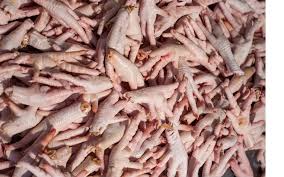
Types of Packaging
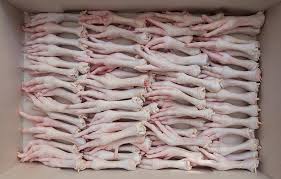
The packaging for export chicken paws must protect the product from secondary contamination, moisture ingress, and temperature fluctuations. The main types of packaging include:
-
Tray Packaging: In this method, chicken paws are placed on plastic trays and covered with a thin layer of stretch film.
-
Polyethylene Bag Packaging: This method is suitable for bulk packaging and high tonnage.
-
Special Carton Packaging: Each carton contains between 6 and 12 chicken paws and must include complete product specifications.
Hygienic Requirements for Packaging
Packaging must be completely intact, clean, and free from any contamination. It must also have a clear label containing the following information:
-
Name and address of the manufacturer
-
Net weight
-
Production and expiration date
-
Packaging license number from the Veterinary Administration
-
Export IR Code
Production and Preparation Process
Processing Stages
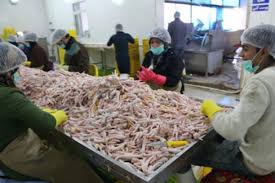
The processing of export chicken paws involves multiple stages that must be carried out with high precision
-
Initial Washing: To remove surface contaminants.
-
Complete De-feathering: With an emphasis on thorough cleaning.
-
Separation of the Paw from the Leg: Using standard machinery.
-
Sorting: Based on weight and quality.
-
Quick Freezing: At an appropriate temperature to maintain quality.
-
Final Packaging: In accordance with international standards.
Importance of Proper Freezing
Freezing must be carried out in equipped cold storage facilities under specific freezing processes. Paws that are frozen improperly or whose freezing process exceeds 72 hours will not meet the requirements for export to China.
Export Requirements for China
Export IR Code
To export chicken paws to China, obtaining an IR code from the Iranian Veterinary Organization is mandatory. This code indicates that the production unit has complied with all health requirements and quality standards. Examples of these codes include IR1055 and IR1071.
Health Protocols
Negotiations are currently ongoing between the veterinary organizations of Iran and China to establish joint health protocols. Once these protocols are finalized, the possibility of direct export to China will be established. Currently, many shipments are sent to China via third countries, such as Hong Kong.
Challenges of Exporting Chicken Paws to China
Quality Issues
-
Lack of Hygiene Compliance: In some production units, processing is done without adhering to health principles.
-
High Microbial Load: The potential for contamination in the final product.
-
Improper Freezing: Which leads to a reduction in product quality.
Logistical and Legal Problems
-
Lack of Transparent Regulations: For direct export to China.
-
Frequent Regulatory Changes: In China, which cause delays in the arrival of shipments.
-
Shipment via Third Countries: Which increases transportation costs and time.
Economic Opportunities
The export of chicken paws to China could generate half a billion dollars in annual foreign exchange revenue for Iran. Given the competitive price and desirable quality of Iranian chicken paws, this product enjoys high demand in the Chinese market.
Conclusion
The export of chicken paws to China requires special attention to weight standards, packaging, and health requirements. Adherence to these standards not only provides access to the competitive Chinese market but also increases profitability and builds international trust for Iranian producers. With the finalization of health protocols between the two countries, a bright horizon will lie ahead for the Iranian poultry industry for a sustained presence in the Chinese market.
For specialized consultation on exporting chicken paws to China and sourcing quality products, please contact the trade experts at NONADSHOP



بدون دیدگاه