
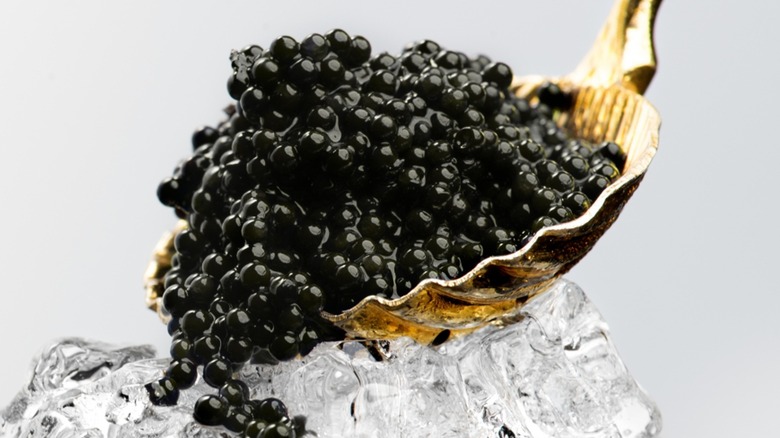
The Role of Beluga Sturgeon and Beluga Caviar in Trade and the Food Industry in the Scandinavian Countries
Abstract
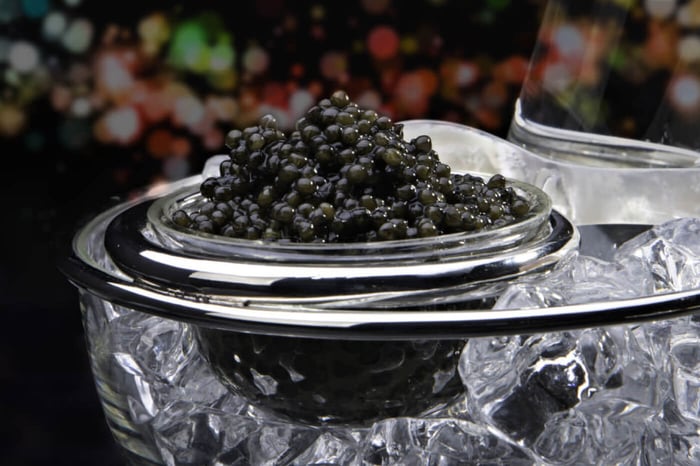
Beluga caviar, obtained from the beluga sturgeon (Huso huso), is known as the most expensive and prestigious type of caviar in the world. This luxury product plays a central role in the trade and food industries of the Scandinavian countries. Due to their geographical location, advanced aquaculture infrastructure, and food culture focused on quality, the Scandinavian countries have become important players in the global caviar market. This article examines various dimensions of the role of beluga sturgeon and its caviar in the trade and food industries of the Scandinavian region.
1. Introduction
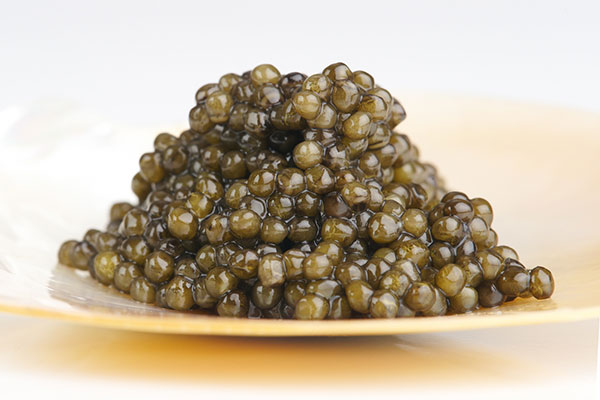
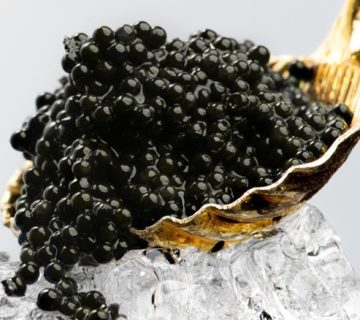
The beluga sturgeon is the largest freshwater fish and ranks first in terms of caviar quality; specimens weighing about 140 kg and more than 100 years old have been caught. Beluga caviar is considered the most expensive type of caviar in the world due to its large grains, creamy texture, and mild, delicate flavor. However, overfishing and poaching have severely reduced the wild population of this species and placed it on the list of endangered species.
In recent years, the Scandinavian countries (Norway, Sweden, Denmark, and Finland), recognizing the importance of this strategic product, have made extensive investments in sturgeon farming and caviar production. By relying on modern aquaculture technologies, the region seeks to become a hub for sustainable caviar production in the world.
2. The Scandinavian Caviar Market: Size and Outlook
2.1. Market Size
Based on analyses, the size of the Nordic caviar market in 2025 was about USD 5.26 million, and it is projected to reach USD 10.52 million by 2034. The compound annual growth rate (CAGR) of this market between 2026 and 2034 is estimated at 8.2%. In 2025, the Nordic countries held about 1.21% of the global caviar market share.
The sturgeon caviar segment (beluga, ossetra, and sevruga) is recognized as the largest product segment by market size in 2025. Pasteurized and processed caviar is also expected to record the fastest growth during the forecast period.
2.2. Domestic Consumption
Domestic caviar consumption in the Scandinavian region totals 76 tons per year, with Sweden, at 42 tons, having the strongest consumer market. This consumption is mainly due to the traditional culture of consuming luxury products, as well as the growing modern food culture in these countries.
3. Trade and Imports
3.1. Import Patterns
Norway is one of the important caviar import markets in the Scandinavian region. Trade data show that the import price of caviar to Norway in December 2025 ranged between USD 506 and USD 773 per kilogram. In Norway, six caviar importing companies have been identified, operating in food production, food packaging, and food services.
Caviar imports to Sweden are also one of the important trade indicators in the region. Imports of caviar to Sweden are projected to reach 378,560 kilograms by 2027. This figure indicates significant demand for this luxury product in the Swedish market.
3.2. Pricing
Beluga caviar prices in Scandinavian markets are very high and reflect its luxury nature. In Denmark, a small tin of beluga caviar (15 grams) sells for about DKK 800 (equivalent to approximately 415 kroner). At the global level, beluga caviar is traded at up to EUR 600 per 100 grams.
4. Legal Framework and the CITES Convention
Trade in beluga caviar in the Scandinavian countries is strictly regulated by the Convention on International Trade in Endangered Species of Wild Fauna and Flora (CITES). The beluga sturgeon (Huso huso) is listed in CITES Appendix B. Imports of caviar to Norway require an export permit from the CITES authority in the country of origin, as well as an import permit from the Norwegian Environment Agency.
In Sweden, any import or export of CITES species products, including caviar, requires special permits. The Norwegian Scientific Committee for Food and Environment (VKM) has conducted a risk assessment of trade in sturgeon species, and this assessment is used by the Norwegian Environment Agency to process import and export permits.
5. Beluga Sturgeon Farming in Scandinavia
5.1. Norway
Norway issued its first sturgeon farming license in 2015. Polarfisk received a license to farm Russian and Siberian sturgeon. The company plans to build a complete land-based facility that will produce 200 to 300 tons of fish per year and up to 10 tons of caviar. Arctic Sturgeon Farm in Bodø is also engaged in sturgeon farming using modern techniques to ensure sustainable production and high product quality.
5.2. Sweden
Sweden has launched its only caviar producer in Strömsnäsbruk in the Småland region. This production facility operates 50 sturgeon farming tanks, and its product has been served at prestigious events such as celebrity weddings and Nobel banquets. A case study of a Swedish producer shows that combining a recirculating aquaculture system (RAS) with live harvesting methods enables sustainable caviar production.
5.3. Iceland
Iceland, as one of the Nordic countries, is also witnessing the development of sturgeon farming. Northern Sturgeon Company in Ólafsfjörður farms four sturgeon species, including beluga (which is extinct in the wild), Russian sturgeon, and Siberian sturgeon. The company uses a patented technique to collect caviar from live fish, meeting high animal welfare standards.
6. Sustainability and Innovation
6.1. Sustainable Aquaculture
The Scandinavian caviar industry is focused on sustainability and innovation. The use of recirculating aquaculture systems (RAS) is recognized as a key solution for reducing environmental impacts and conserving endangered species. These systems make it possible to farm sturgeon under controlled conditions and reduce dependence on wild catch.
6.2. Live Harvesting Methods
One of the important innovations in the Scandinavian caviar industry is the use of live harvesting methods. In this method, caviar is extracted without killing the fish. Northern Sturgeon Company in Iceland uses a patented technique for this purpose, which, according to experts, makes the process as sustainable as possible.
7. Consumption Trends and the Food Industry
7.1. Luxury Restaurants and Catering
Beluga caviar in Scandinavia is mainly consumed in luxury restaurants, five-star hotels, and special catering events. The main consumption segments include direct consumption as a delicacy, plate decoration in gourmet food service, luxury catering and events, and high-end retail and specialty shops.
7.2. Retail and E-Commerce
Beluga caviar sales in Scandinavia take place through various channels, including gourmet stores, online platforms, and direct sales. In Denmark, specialty shops have begun offering original beluga caviar. In Sweden, significant growth of 138.19% in 2024 indicates increasing demand for this luxury product.
7.3. Scandinavian Food Culture
Scandinavian food culture, which emphasizes simplicity, quality, and sustainability, has played an important role in shaping the region’s caviar market. This culture has gradually transformed caviar consumption from a purely luxury product into an accepted component of modern cuisine.
8. Challenges and Opportunities
8.1. Challenges
· CITES legal restrictions: Trade in beluga caviar, due to the conservation status of this species, is subject to strict regulations that can complicate trade.
· Global competition: Traditional producers such as Iran and Russia still hold a significant share of the global market.
· High production costs: Sturgeon farming and caviar production require high initial investment and a long period of time (several years) until the fish reach maturity.
8.2. Opportunities
· Growing demand: The global caviar market will grow from USD 3.1 billion in 2025 to USD 4.6 billion by 2030, creating significant export opportunities for Scandinavian producers.
· Innovation in sustainability: A focus on sustainable and ethical production can create a unique competitive advantage for Scandinavian producers.
· Export markets: Iranian caviar is exported to countries such as Sweden, Germany, Belgium, and the Netherlands, indicating sustained demand in the region.

Conclusion
The role of beluga sturgeon and beluga caviar in the trade and food industries of the Scandinavian countries is multifaceted and evolving. By relying on advanced aquaculture technologies, a commitment to sustainability, and a food culture focused on quality, the region is gradually consolidating its position in the global caviar market. Although challenges such as legal restrictions and global competition exist, the opportunities arising from growing demand and innovation in sustainable production paint a positive outlook for the future of the Scandinavian caviar industry. By combining tradition and innovation, the Scandinavian countries are becoming key players in the global caviar market, and the role of the beluga sturgeon in this transformation is central and decisive.
For more info call us in
Nonadshop.com
Parvisico.com


بدون دیدگاه