

Reasons Behind the Growth of Shrimp Exports from Iran as a Profitable Product
Introduction
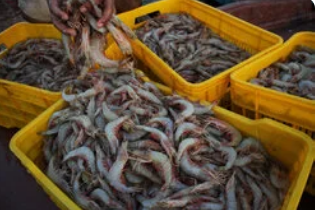
Shrimp export from Iran has become an important topic in international trade and the aquaculture food industry in recent years. With long coastlines and favorable climatic conditions, Iran has significant potential in shrimp and other seafood production. By leveraging these advantages, the country has managed to establish a stronger position in regional and global markets.
The increase in shrimp exports reflects not only the growth of Iran’s fisheries and aquaculture industry, but also highlights shrimp as a profitable export commodity that creates valuable economic opportunities.
In this article, we explore the most important reasons behind the rising export of shrimp from Iran and the factors that contribute to its profitability.
 What Is Shrimp Export and Why Does It Matter
 What Is Shrimp Export and Why Does It Matter
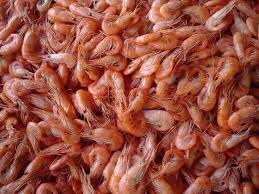
Shrimp export refers to the process of producing, processing, packaging, and shipping shrimp to foreign markets. Due to its high nutritional value, strong global demand, and competitive margins, shrimp is considered one of the most attractive seafood products for international trade.
The importance of shrimp exports from Iran comes from:
– High foreign currency earnings
– Job creation in coastal regions
– Development of the aquaculture sector
– Improved efficiency across the food supply chain
– Growing presence in high-demand international markets
The Main Reasons for the Increase in Shrimp Exports from Iran
### 1. Suitable Geographic Position
Iran’s access to the open waters of Southern Iran and its wide coastline provide highly favorable conditions for shrimp farming. This advantage has supported the expansion of shrimp farms in provinces such as Hormozgan, Bushehr, and Sistan and Baluchestan.
Keyword focus: geographic advantages for exporting shrimp from Iran
### 2. Appropriate Quality of Produced Shrimp
One of the biggest reasons behind the growth of shrimp exports is the quality of the final product. Iranian shrimp is often appreciated by foreign buyers for its taste, texture, and nutritional benefits. Adhering to hygienic standards and quality controls during harvesting and packaging also improves buyers’ confidence in international markets.
### 3. High Demand in International Markets
In recent years, the consumption of seafood has increased across many countries. Shrimp is popular due to its high protein content, low fat levels, and demand across food industries. This makes shrimp export a strong commercial opportunity with sustained buyer interest worldwide.
Common target markets include:
– China
– UAE
– Russia
– Gulf countries
– Some Asian and European markets
### 4. High Profitability Compared to Some Agricultural Products
From an investment perspective, shrimp farming and exporting can offer higher profit margins than some other agricultural products. This is because shrimp has favorable global pricing, can be sold in different package formats, and maintains steady international demand. As a result, shrimp exports become attractive for both producers and investors.
Keyword focus: profitability of shrimp exports
### 5. Development of Farming and Packaging Infrastructure
In recent years, investment in shrimp farms, cold storage facilities, processing centers, and packaging units has grown. This has increased the quality standards of Iranian shrimp and improved product shelf life for international shipments. Access to cold-chain logistics and hygienic packaging plays a major role in boosting export performance.
### 6. Growing Participation of Private Sector Players and Exporters
The entry of private companies, experienced exporters, and industry specialists has helped expand Iran’s export capability. These players identify target markets more effectively and improve international marketing, packaging quality, and compliance—ultimately increasing Iran’s share in global shrimp exports.
### 7. Ability to Produce at Economies of Scale
Industrial shrimp farming helps producers manage costs efficiently and offer products that are competitive in global markets. This feature makes shrimp export a more appealing and scalable business model for investors and producers.
## Economic Benefits of Shrimp Exports for Iran
The rise in shrimp exports goes beyond benefiting producers—it also brings advantages to the national economy:
– Increased foreign exchange income
– Reduced reliance on oil-related exports
– Development of less-developed coastal regions
– Job creation (direct and indirect)
– Growth of related industries such as logistics, packaging, and processing
## Challenges Facing Shrimp Exports from Iran
Despite its many benefits, this sector also faces challenges, such as:
– Fluctuations in production costs
– Limitations related to shipping and export logistics
– The need to meet strict international standards
– Competition with other shrimp-producing countries
– Issues in cold storage and supply chain efficiency
Addressing these challenges can unlock stronger growth for shrimp exports in the coming years.
Conclusion
The increase in shrimp exports from Iran results from a combination of natural advantages, economic factors, and commercial strategy. Geographic potential, suitable product quality, high global demand, attractive profitability, and the growth of farming and packaging infrastructure all contribute to shrimp becoming one of Iran’s profitable export commodities.
With careful planning, targeted support, and professional international marketing, the future of Iran’s shrimp exports can be very promising



بدون دیدگاه