
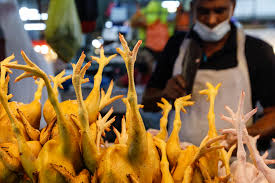
Export of Iranian Chicken Feet to Malaysia
Introduction

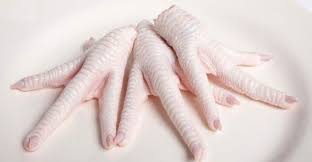
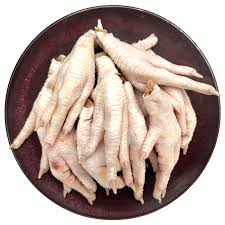
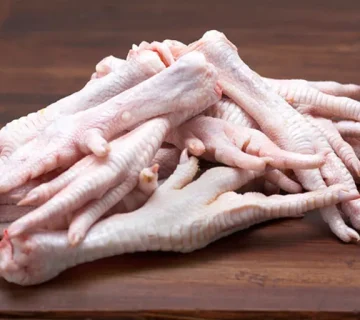
The export of Iranian chicken feet to Malaysia represents a real opportunity for expanding non-oil exports and generating foreign currency. There is significant demand for chicken feet in Malaysia—both as a food ingredient in local cuisine and as a raw material in processing industries and collagen/gelatin extraction—providing a favorable space for Iranian exporters. Market analysis and strict compliance with import regulations are two key success factors in this market. (Tridge)
Malaysia Market Analysis
-
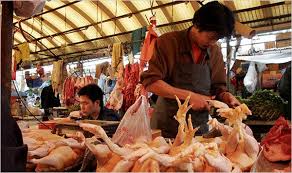
Size and demand patterns: Malaysia is a significant buyer of frozen chicken feet. In recent years, imports of chicken feet and poultry by-products have grown in the Southeast Asian region. Global market data and trade platforms indicate that Malaysia is a major importer in the region, with increasing demand for packaged and hygienic chicken feet. (Tridge)
-
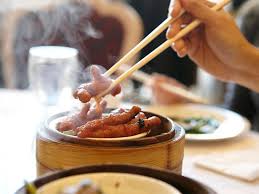
Applications: Culinary use (soups, local dishes, fast food), food processing industries, and collagen/gelatin extraction for food and cosmetic/pharmaceutical applications. Research sources show that chicken feet are increasingly in demand in by-product industries due to their high collagen content. (ResearchGate)
Import Regulations and Permits in Malaysia
To enter the Malaysian market, chicken feet must be accompanied by quarantine permits (MAQIS) and official veterinary/health certificates. According to the guidelines of the Malaysian Department of Veterinary Services, each shipment must have a Veterinary Health Certificate in English (dated and issued by the exporting country’s veterinary authority) and an import permit. Packaging details, labeling, and production information must also be included in the documents. Compliance with these requirements is essential for product entry. (Department of Veterinary Services)
Packaging, Freezing, and Logistics
-
Packaging standards: It is recommended to use polymer bags inside sturdy cartons with product information in English (and Malay, if possible).
-
Storage temperature: Storage and transport at ≤ −18°C using refrigerated containers is mandatory to maintain product texture and appearance until arrival at the destination port.
-
Accompanying documents: Production date, batch number, country of origin, health approval, and certificate of origin must accompany the shipment. Following these guidelines facilitates faster customs clearance and reduces the risk of shipment rejection. (Department of Veterinary Services)
Pricing and Competitiveness
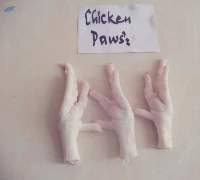
The export price of chicken feet depends on multiple factors: product quality, packaging, package weight, transport and insurance costs, and currency fluctuations. Market data shows that regional suppliers from Turkey, India, and some Southeast Asian producers are strong competitors. However, Iranian exporters can gain market share through competitive pricing and a focus on quality and hygiene standards. (Market databases and trends, Tridge)
Iran’s Competitive Advantages
-
High production capacity in Iran’s poultry industry allows for the supply of large export volumes.
-
Competitive production costs due to relatively lower manufacturing expenses compared to some distant competitors.
-
Capability to produce processed products (cleaned, packaged, high-quality) suitable for markets sensitive to quality. (Tridge)
Risks and Challenges
-
Strict and changing regulations: Additional quarantine requirements and health tests can prolong export processes. Close collaboration with importers and awareness of the latest MAQIS requirements are essential. (Department of Veterinary Services)
-
Global supply disruptions (e.g., avian influenza outbreaks): Epidemiological disruptions in exporting countries can quickly affect prices and market access, creating both opportunities and threats. (Example: the impact of epidemics on global poultry trade and demand shifts, Reuters)
-
Regional competition: Active exporting countries in Asia and the Middle East can create price pressure. Market sources indicate intense competition in this commodity. (Volza)
Practical Solutions and Recommendations for Iranian Exporters
-
Verify and fully comply with MAQIS regulations before each shipment (certificates, labeling, medical information). (Department of Veterinary Services)
-
Create branded, standardized packaging (with information in English/Malay) to enhance market acceptance and importer confidence.
-
Collaborate with forwarders and international logistics operators experienced in frozen shipments to Malaysia.
-
Diversify sales channels: combine retail, sales to processing companies, and B2B markets (gelatin/collagen producers) to reduce risk.
-
Use appropriate currency contracts and settlement mechanisms to reduce banking issues and currency fluctuations.
Based on export experience and strong international sales capability,
NONADSHOP Trading Company is ready to cooperate with all buyers and active traders in this specialized product sector.
For further information, please contact us.


بدون دیدگاه