

The Role of Shrimp in Trade and the Food Industries of the Scandinavian Countries
Keywords: shrimp in Scandinavia, shrimp trade, Norwegian food industry, Danish shrimp processing industry, cold-water shrimp, Pandalus borealis, shrimp exports, Northern European seafood market
Meta Description: An examination of the strategic role of shrimp in trade and the food industries of the Scandinavian countries; from Norway’s cold-water shrimp exports to Denmark’s processing and re-processing industries and Sweden’s consumer market.
Introduction: Cold-Water Shrimp; The Hidden Pillar of the Scandinavian Marine Industry
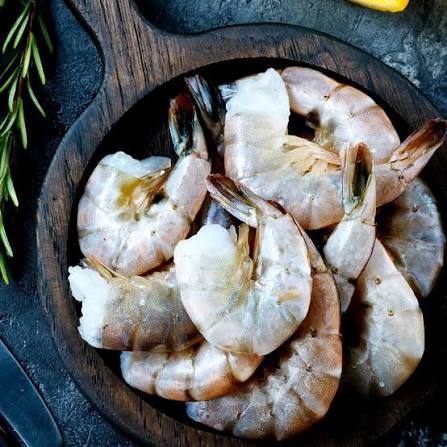
The Scandinavian countries — Norway, Sweden, and Denmark — are recognized as global pioneers in the seafood industry. Alongside salmon, which is the star of the region’s export market, cold-water shrimp, especially the species Pandalus borealis, plays a key role in trade, processing, and food security in these countries. This species, also known as northern shrimp, pink shrimp, and deep-sea shrimp, lives in the cold waters of the North Atlantic at temperatures of 0 to 8°C, and because of its slow growth at these temperatures, it has firm flesh and a sweet taste. Between 250,000 and 400,000 tonnes of this species are caught annually in North Atlantic waters, and since the early 1900s, Norway has pioneered its commercial fishing.
1. Norway: The Hub of Cold-Water Shrimp Exports
Norway, as the largest producer and exporter of cold-water shrimp in the Scandinavian region, exported 31,842 tonnes of cold-water shrimp in 2025, with a value of US$1.714 billion. Although export volume fell by 7% compared with the previous year, its value grew by 12%, indicating rising global prices and strong demand in target markets.
 Export Target Markets
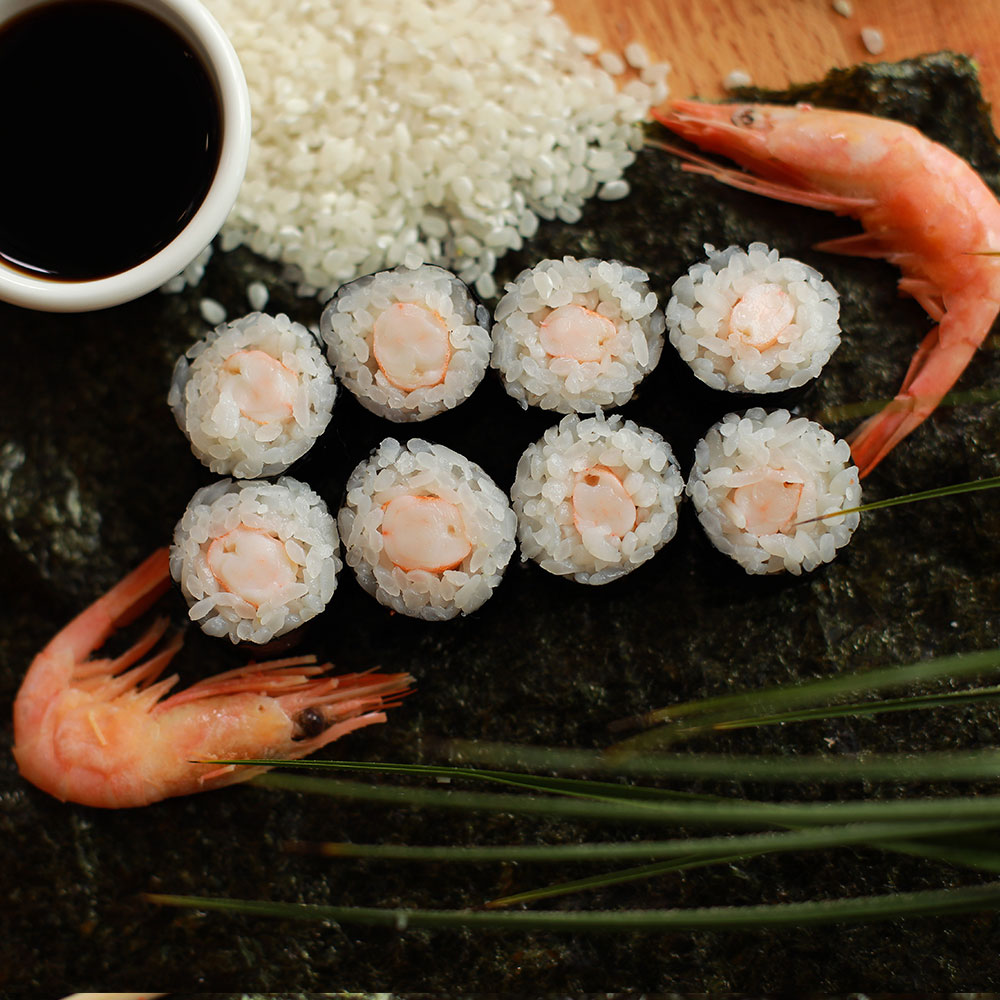
China has rapidly become the largest export market for Norwegian cold-water shrimp. In 2025, Norway’s cold-water shrimp exports to China grew by 244% to 8,392 tonnes. This dramatic growth occurred while only two years earlier, almost no Norwegian company exported cold-water shrimp to China. In July 2025 alone, Norway exported nearly 1,500 tonnes of cold-water shrimp worth about NOK 81 million to China. After China, Iceland and Denmark are the largest destinations for Norwegian cold-water shrimp exports.
Economic Importance for Food Industries
The shrimp industry in Norway serves not only as a source of foreign exchange earnings but also as an important link in the raw material supply chain for the region’s processing industries. Denmark, Iceland, and Canada, as processing hubs, receive a major share of raw Norwegian shrimp for peeling, packaging, and re-export.
2. Denmark: The Hub for Shrimp Processing and Redistribution
Denmark is recognized as the main center for processing and redistributing cold-water shrimp in Europe. Denmark’s fish and aquatic processing industry, mainly concentrated in the northern and western ports of the Jutland Peninsula, includes shrimp and shellfish processing as its third most important sector after salmon and pelagic fish.
The Role of a “Flow-Hub” in the Supply Chain
Because of its extensive imports of cooked and frozen shrimp from Greenland and other countries, Denmark functions as a “Flow-Hub.” The country not only processes raw shrimp but also acts as a storage, redistribution, and re-export center for shrimp products across Europe and the world. In 2024, Denmark’s exports of frozen cold-water shrimp reached 65,806 tonnes, valued at US$328 million.
 Advanced Processing Technology
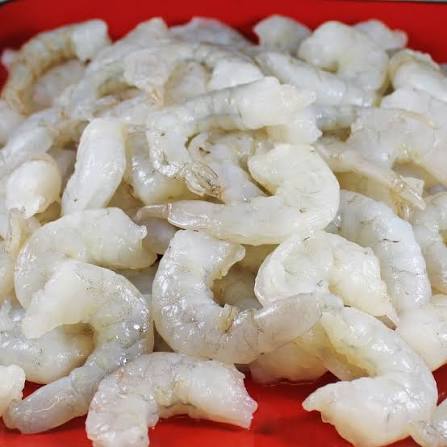
The Danish company Norbech, by developing the SeaPeeler Flex peeling machine, has solved a shrimp processing challenge. This system, which can be installed on existing production lines, can process most types and sizes of shrimp and produce products with high quality, fresh color, and desirable taste. Also, about 25 canning factories and five freezing plants in Denmark are engaged in shrimp processing, many of which are fully mechanized.
3. Sweden: The Shrimp Consumer Market and Trade
Sweden, as one of the largest shrimp consumption markets in the Nordic region, holds an important position in the trade of this product. According to Sweden’s seafood consumption report in 2023, shrimp was the third most important species in the country’s seafood consumption basket after salmon and cod. About 73% of the total volume of seafood consumed in Sweden is supplied through imports.
Trade Patterns
In 2024, imports of frozen cold-water shrimp into Sweden reached 8,089 tonnes, valued at US$44.6 million. Denmark, by supplying 6,661 tonnes (more than 82% of import volume), is the largest supplier of shrimp to Sweden. After it come Germany, Iceland, Norway, and Estonia. On the export side, in 2024 Sweden exported about 303 tonnes of frozen cold-water shrimp, with Finland, France, and Bulgaria as the main destinations.
Growth in White Shrimp Imports
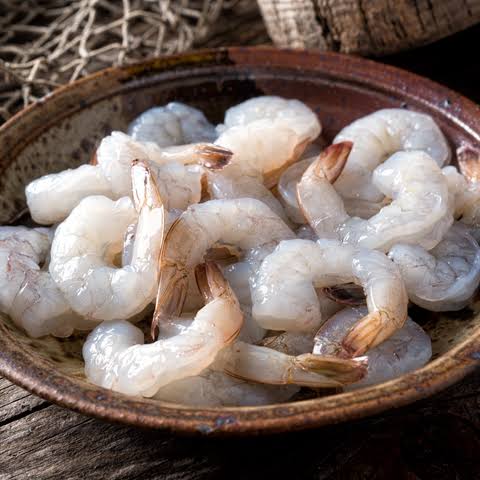
Sweden’s white shrimp imports experienced significant growth of 30.93% in 2024. Denmark, Spain, Estonia, the Netherlands, and Norway, as the five main suppliers, have high concentration in this market, indicating a stable structure dominated by key players.
4. Processing and Value-Added Industries: From Waste to Innovative Products
The “100% Shrimp” Project: Circular Economy in the Nordic Region
One of the most innovative initiatives in the region is the “100% Shrimp” project, led by the Iceland Ocean Cluster and implemented with the cooperation of companies such as Royal Greenland, Primex, and Nofima. The goal of this project is to create circular value chains for cold-water shrimp in the Nordic countries.
A key fact is that up to 65% of Royal Greenland’s shrimp catch — mainly shells and heads — remains unused. The 100% Shrimp project, by applying Danish expertise in drying and milling, uses this waste to produce chitin and chitosan, for which global demand is growing. This plan not only reduces waste but also develops cross-border supply chains between Greenland and Iceland and helps reduce greenhouse gas emissions.
Extraction of Valuable Substances from Shrimp Waste
At the Technical University of Denmark (DTU), researchers are seeking methods to extract valuable substances such as flavorings, calcium, and collagen from shrimp industry waste. Shrimp heads and shells, which remain as waste during the peeling process, can be turned into climate-friendly food. This approach not only helps reduce waste but also creates significant added economic value for the Scandinavian food industries.
Challenges and Future Outlook
Environmental and Climate Challenges
The Scandinavian shrimp industry faces numerous environmental challenges. Rising water temperatures and the growth of predators such as redfish and cod affect shrimp stocks. Reducing the cod quota in the Barents Sea can lead to an increase in the cod population and, consequently, greater predation on shrimp. Also, shrimp fishing with bottom trawls has raised concerns about its impact on the seabed ecosystem, although the Swedish fleet voluntarily uses 45 mm mesh nets (larger than the required minimum of 35 mm) to reduce the catch of small shrimp.
Competition with Warm-Water Farmed Shrimp
A significant portion of shrimp imports into Sweden consists of farmed Vannamei shrimp, which, due to its competitive price and year-round availability, experienced average annual growth of 12.2% between 2020 and 2024. Vietnam, as the main supplier of this product, holds nearly 50% of total imports in this category. This competition pushes cold-water shrimp producers and processors in Scandinavia toward differentiation through quality, sustainability, and value addition.
Growth Opportunities
Despite the challenges, the outlook for the Scandinavian shrimp industry is promising. Norway’s dramatic export growth to China indicates the high potential of Asian markets. Also, the development of value-added products from shrimp waste and the implementation of circular economy projects can lead to a sustainable competitive advantage for the Nordic region.
The Scandinavian food industry, relying on innovation, advanced processing technology, and a commitment to sustainability, can consolidate its position as a global pioneer in the cold-water shrimp industry.
Conclusion
Cold-water shrimp in the Scandinavian countries is more than a simple marine product; it is the backbone of a complex and international value chain. Norway, with extensive exports to global markets; Denmark, with advanced processing industries and the role of a redistribution hub; and Sweden, with a dynamic consumer market, each play a distinct role in this ecosystem. Innovative projects such as “100% Shrimp” show that the future of this industry lies not only in fishing and processing but also in the circular economy, extraction of valuable substances from waste, and development of innovative products. By investing in technology, sustainability, and emerging markets, Scandinavia can ensure its global leadership in the cold-water shrimp industry for decades to come.
For more info call us in
Nonadshop.com
Parvisico.com




بدون دیدگاه