
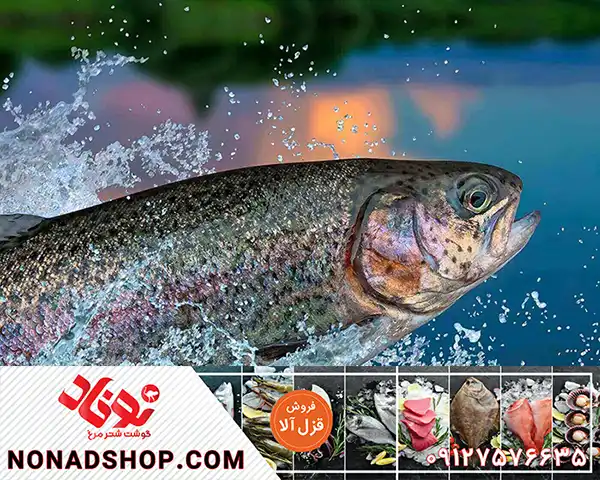
The Role of Salmon in the Food Industries of the Caspian Sea Countries
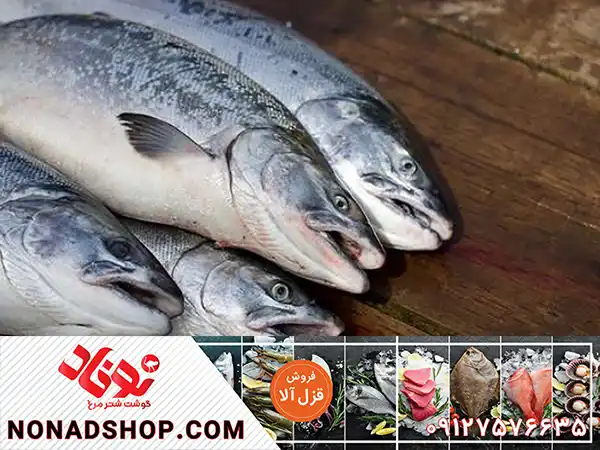
Keywords: salmon, Caspian food industry, cage aquaculture, Caspian trout, aquatic exports, food security, sustainable aquaculture
Meta Description: An examination of the strategic role of salmon and Caspian trout in the food industries of the Caspian Sea countries; from sea-cage farming to export development and regional food security.
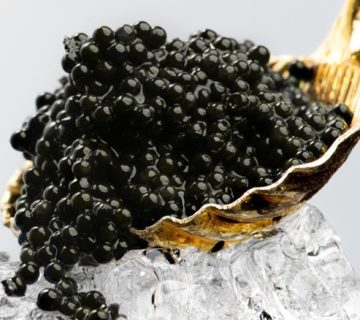
Introduction: The Caspian Sea; From Caviar to the Global Dining Table
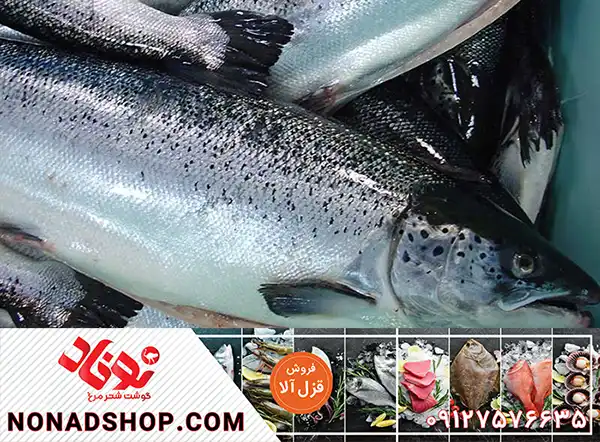
The Caspian Sea, as the largest landlocked body of water in the world, has for centuries been the beating heart of the region’s fisheries industry. Until recently, the name Caspian was tied to caviar; but in recent years, salmon and its related species (especially rainbow trout and Caspian salmon) have found a new place in the food chain and processing industries of the five littoral states — Iran, Russia, Kazakhstan, Azerbaijan, and Turkmenistan. This change is not only the result of restrictions on traditional fishing, but also a response to the growing demand of domestic and global markets for high-quality, low-fat, omega-3-rich protein.
1. The Place of Salmon in the Food Basket and Processing Industries of the Caspian Countries
Iran: Rainbow Trout as “Domestic Salmon
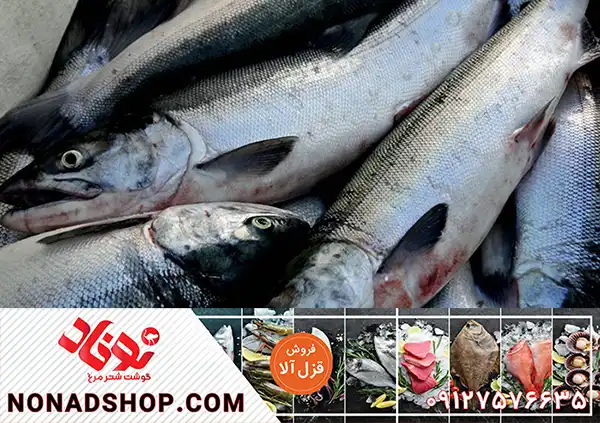 ”
In Iran, what is marketed under the brand name “salmon” is in fact farmed rainbow trout, which closely resembles ocean salmon in appearance and taste. Despite considerable rainbow trout production, Iran has a zero share in the global chain of real salmon (oceanic species), because farming oceanic species in inland and brackish waters faces biological limitations.
Nevertheless, Iran’s processing industries have taken major steps in producing value-added products from salmon/trout. The National Aquatic Processing Research Center of Iran has produced hot-smoked products from salmon, sturgeon, and tilapia with the aim of assessing taste preference and marketability in various packages. Also, products such as fillets, portions, steaks, smoked, flavored, and canned salmon are offered in the domestic market, and part of the market demand is met by imports of fresh and frozen salmon from Norway.
From the perspective of food security, rainbow trout, as a substitute for salmon, plays a key role in supplying marine protein. The wholesale price of rainbow trout in Iran is about 67,000 tomans per kilogram, which is considered more competitive compared with imported salmon (about 75,000 tomans).
Kazakhstan: Pioneer of Salmon Farming in Sea Cages
Kazakhstan is known as a pioneer of salmon farming in sea cages in Central Asia. Organic Fish, using Norwegian technology, has launched the first steelhead trout farm in Kazakhstan’s Caspian waters. With an investment of $22.1 million and a payback period of about 9.6 years, the project aims for an annual production capacity of 5,000 tonnes of caged fish.
According to plans, commercial production of this project has begun at 150 tonnes in 2026 and is set to reach 1,300 tonnes in 2027 and 5,000 tonnes in 2028. An important point is that 50% of the product is intended for the domestic market and the other 50% for export to Russia, Belarus, Kyrgyzstan, China, and Vietnam. This project not only helps increase per capita fish consumption in Kazakhstan (currently about 3.5 kg per year) but also helps protect the native Caspian salmon species.
Russia: Self-Sufficiency in Feed and the Supply Chain
Russia, as one of the five Caspian littoral states, plays a key role in supplying production inputs. The Rybniye Korma plant in the Lotus Special Economic Zone (Astrakhan Oblast) has since 2024 begun producing high-energy feed for salmonids with a fat content of up to 36%. Previously, Russia’s aquaculture feed market was up to 90% dependent on foreign imports; but now, with domestic production, the Caspian region’s supply chain has been strengthened.
This development reduces production costs for salmon farmers across the Caspian basin and increases the competitiveness of processing industries.
Azerbaijan: Restoration of Native Species and Development of Processing
Through environmental programs, Azerbaijan annually releases 20,000 Caspian salmon into the Caspian Sea and pursues a long-term goal of increasing this number to one million. This measure not only helps restore the species’ genetic stocks but also provides sustainable raw materials for processing industries. Azerbaijan’s fish and seafood market relies mainly on domestic Caspian production (sturgeon, trout, and carp), and salmon imports are considered a supplement to domestic demand.
Turkmenistan: An Emerging Salmon Market
Turkmenistan, as a landlocked country, is experiencing its salmon market at an emerging stage. Market reports show that the popularity of salmon as a premium product is increasing, and fish farming in RAS (recirculating aquaculture systems) has attracted attention. Projects are also underway to farm carp, salmon, and trout in special reservoirs.
2. Processing Industries and Value-Added Products
The salmon and trout processing industry in the Caspian countries is expanding rapidly. In Iran, the National Aquatic Processing Research Center, in cooperation with private companies such as Mahi Kian Khazar, Zarkhiz Khak Persia, and Samam Gostar Khazar, has produced and evaluated samples of hot-smoked products. These products are offered in various packages, ready to eat and with a long shelf life, and are a response to changing urban lifestyles and growing demand for convenient and healthy food.
In Kazakhstan, Organic Fish, in addition to farming, also plans processing, quality analysis, packaging, and supply of commercial products. This approach forms a full value chain (from farm to table) in the Caspian region and creates significant employment. Currently, 18 fish processing units are active in Kazakhstan’s Ural-Caspian basin, and 3,000 people work in this industry.
In Russia, the production of specialized salmon feed in Astrakhan, as the first link in the processing chain, improves meat quality and fish growth rate and directly affects the quality of the final product (fillet, smoked, canned).
3. The Role of Salmon in Food Security and Regional Exports
Salmon and trout play a multifaceted role in food security in the Caspian countries:
· Increasing access to animal protein: Per capita fish consumption in Kazakhstan is only 3.5 kg per year, far below the global average. Domestic production of salmon/trout provides access to high-quality protein without dependence on imports.
· Reducing pressure on wild stocks: Farming in cages instead of wild fishing helps protect endangered species such as Caspian salmon and sturgeon.
· Creating employment and foreign exchange earnings: Kazakhstan annually exports 21,100 tonnes of fishery products to 21 countries, including the European Union, China, and Russia, and 20 companies in the country have received export licenses to the European market.
From an export perspective, the Caspian countries, especially Kazakhstan and Iran, have high potential to become regional hubs for salmon and its products. The export goal of Organic Fish Kazakhstan is to export 50% of its product to the markets of Russia, Belarus, China, and Vietnam. Iran, too, with rainbow trout production in its northern provinces and the ability to export to neighboring countries, can strengthen its position in regional markets.
4. Challenges and Solutions Ahead
The development of the salmon industry in the Caspian region faces several challenges:
· Dependence on foreign technology: Projects in Kazakhstan and Iran rely mainly on Norwegian technology. Developing local technical know-how can reduce costs.
· Environmental issues: Sea-cage farming requires waste management and sustainable feeding to prevent eutrophication (nutrient enrichment of water).
· Competition with imports: Norwegian salmon still has a high share in regional markets. Strengthening branding and domestic product quality can increase competitiveness.
· Processing infrastructure: Developing canning, smoking, and modern packaging in the Caspian countries is an unavoidable necessity.
Conclusion
Salmon and its related species, especially trout and Caspian salmon, have moved from the margins to the center of the food industries of the Caspian countries. Innovative sea-cage farming projects in Kazakhstan, feed technology development in Russia, native species restoration programs in Azerbaijan, and the expansion of processing in Iran all indicate a strategic shift toward sustainable aquaculture and valuable protein production. With investment in local technology, value-added processing, and targeted exports, the Caspian region can become one of the emerging salmon hubs in Asia and Europe — not only as a caviar supplier but also as a sustainable source of marine protein for future generations.
For more info call us in
Nonadshop.com
Parvisico.com


بدون دیدگاه