

Shrimp Export from Northern Iran to Russia and Golden Market Within Reach
Description
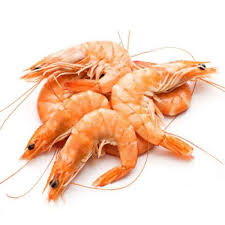
Expert analysis of shrimp export capacity from northern Iranian provinces (Golestan, Mazandaran, and Gilan) to Russia. Learn about the challenges, logistical advantages, tariffs, and strategies for entering the large Eurasian market for Iranian traders.
Introduction: Why is Russia the Next Destination for Iranian Shrimp?
The Russian market, as one of the world’s largest consumers of seafood, has in recent years—due to mutual sanctions with the European Union and the United States—been actively seeking reliable alternative suppliers. Among these, Iranian farmed shrimp, thanks to its high quality, desirable flavor, and geographical proximity, has become a strategic option for Russian importers.
Although the main hub of shrimp production in Iran is in the southern provinces (Hormozgan and Bushehr), the northern provinces (especially Golestan) possess a unique export capacity due to the farming of the Vannamei species in the brackish waters of the Caspian Sea and their exceptional logistical access to Russia.

Analysis of Shrimp Production Capacity in the Northern Provinces
1. Golestan Province; The Emerging Hub of Shrimp Farming
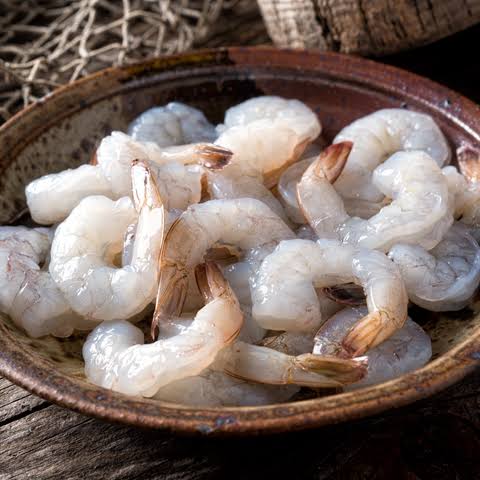
Golestan Province, with its vast uncultivated lands along the Gomishan coastal strip, is rapidly becoming the shrimp farming hub of northern Iran.
· Dominant Species: Vannamei shrimp (Penaeus vannamei), which exhibits high tolerance to the low salinity of the Caspian Sea water.
· Farm Area: Over 4,000 hectares of suitable land, with development phases currently underway.
· Competitive Advantage: Using Caspian Sea water (with lower salinity compared to the Persian Gulf) produces shrimp with a more delicate texture and milder taste, which appeals to the Russian palate.
2. Mazandaran and Gilan; Logistical Backbone and Research Pilots
Although the volume of mass production in Mazandaran and Gilan is lower than in Golestan, these two provinces play a key role in completing the cold chain and intensive farming pilots. Proximity to the ports of Amirabad (Mazandaran) and Anzali (Gilan) shortens the transportation route even further.
Unparalleled Logistical Advantages of Northern Iran for Export to Russia
Keywords: Refrigerated transport to Russia, North-South Corridor, sea export of shrimp
The greatest advantage of the northern provinces compared to the south is the significant reduction in transportation costs and time.
1. Caspian Sea Route (North-South Corridor):
· Origin: Amirabad Port or Anzali Port
· Destination: Astrakhan Port or Makhachkala Port in Russia
· Approximate Time: 3 to 5 days (compared to 30 to 45 days shipping from Bandar Abbas via the Suez Canal or overland).
· Importance: Shrimp is a frozen and temperature-sensitive product. Fast sea transport minimizes the risk of thawing and quality loss (temperature fluctuations) and reduces insurance costs.
2. Land Transport (Rail and Road):
· With the development of the Incheh Borun – Aq Yayla railway line (Turkmenistan–Kazakhstan), overland transport to inland regions of Russia is feasible at reasonable cost, although sea transport remains more economical for large shipments.
Why is the Russian Market Thirsty for Iranian Shrimp?
H3: Growing Demand
· Reduced Imports from the West: Since the 2014 sanctions, shrimp imports from Norway, Denmark, and Canada have been banned or restricted.
· Rising Per Capita Consumption: With the growth of the middle class in cities like Moscow and St. Petersburg, consumption of peeled and deveined (PD) shrimp and headless shell-on (HLSO) shrimp in restaurants and retail has increased.
· Regional Competitors: Ecuador and India are the largest exporters to Russia, but Iran’s lower freight costs and the ability to deliver faster are the trump cards for Iranian traders.
Standards Required by Russia
To succeed in exporting to Russia, familiarity with the EAC (Eurasian Economic Union) standards is mandatory:
· Veterinary Health Certificate: Export of aquatic products requires approval from both the Iran Veterinary Organization and Rosselkhoznadzor (Russia’s federal veterinary and phytosanitary surveillance service).
· Packaging Standards: Vacuum packaging and proper glaze (ice coating) to maintain quality in Russian cold storage facilities.
· Maximum Additive Levels: Strict control over sulfite and phosphate levels.
Challenges Facing Exports from the North (and Solutions)
1. Lower Production Volume Compared to the South
· Challenge: Golestan’s production volume is still not as large as Hormozgan’s, and it may not be sufficient for large contracts.
· Solution: Forming export consortia and aggregating product from all northern farms, and even transferring southern product to northern cold storage facilities for export via the Caspian route.
2. Currency Fluctuations and Cost Price
· Challenge: The cost price of Iranian shrimp is high due to inputs (feed and larvae).
· Solution: Negotiating long-term contracts in rubles or yuan to bypass banking sanctions and stabilize prices.
3. Weak Branding
· Challenge: Iranian shrimp does not have an independent brand in Russia and is usually sold under the Russian importer’s brand.
· Solution: Digital B2B marketing in Russian and participation in specialized trade shows such as WorldFood Moscow and Seafood Expo Russia.
Practical Steps to Start Exporting Shrimp from the North to Russia



بدون دیدگاه