
Characteristics of Iran Export Vannamei Shrimp and the Most Important Global Target Markets
Introduction
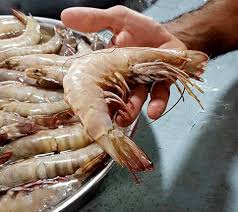
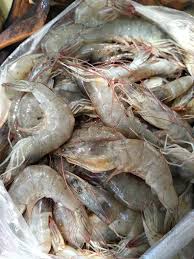
Vannamei shrimp (Litopenaeus vannamei) is now recognized as the primary farmed and export species of Iran. According to statistics from the Iran Fisheries Organization, more than 95% of the country’s farmed export shrimp consists of this species. The climatic conditions of Iran’s southern coasts—especially the Persian Gulf and the Sea of Oman—along with health management and the use of SPF broodstock, have enabled Iranian Vannamei shrimp to gain a respectable position in global markets in terms of quality, taste, and uniformity.
we first examine the most important characteristics of Iran’s export Vannamei shrimp and then introduce the countries that import the largest volumes of this product from Iran.
1. Physiological and Biological Characteristics of Iran’s Farmed Vannamei Shrimp
1.1. High Tolerance to Salinity and Temperature
Vannamei shrimp is a euryhaline species and can live and grow within a salinity range of 0.5 to 45 parts per thousand (ppt). Along Iran’s southern coasts, where the salinity of the Persian Gulf reaches 40–45 ppt in summer, this trait is a major competitive advantage. The optimal growth temperature for this species is between 28 and 32°C, which is well provided during spring and summer in the provinces of Hormozgan, Bushehr, Khuzestan, and Sistan and Baluchestan.
1.2. Rapid Growth and Low Feed Conversion Ratio
Under optimal farming conditions, Vannamei shrimp can reach market weight of 20–30 grams within 90–120 days. The feed conversion ratio (FCR) of this species is typically between 1.2 and 1.6, meaning that less than 1.6 kg of feed is consumed for every kilogram of weight gain. This high efficiency lowers production costs and enhances Iran’s export competitiveness.
1.3. Relative Disease Resistance
The use of SPF (Specific Pathogen Free) broodstock imported from reputable global centers, along with strict biosecurity practices on farms, has increased the resistance of Iran’s farmed Vannamei shrimp to dangerous diseases such as White Spot Syndrome Virus (WSSV), Acute Hepatopancreatic Necrosis Disease (AHPND), and Enterocytozoon hepatopenaei (EHP). Although challenges remain, the performance of leading farms in Iran demonstrates that losses can be minimized through proper management.
1.4. Size Uniformity and Carcass Quality
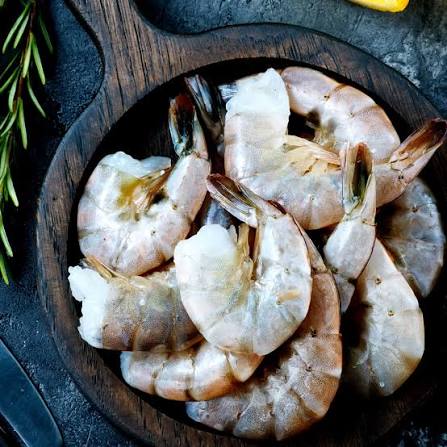
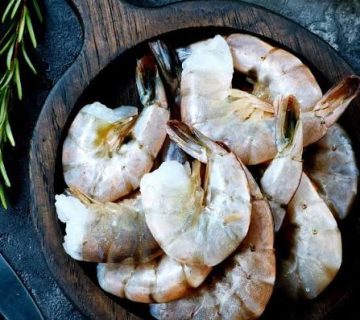
Thanks to global genetic improvement programs, Vannamei produces same-age populations with uniform growth. This uniformity is crucial in export processing and packaging lines because international buyers prefer a consistent size product with minimal waste. The pure meat yield of Vannamei is also high, and it develops an attractive pink-orange color after cooking.

بدون دیدگاه