
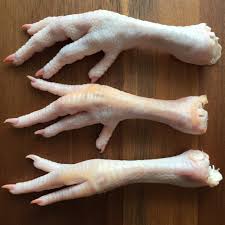
Packaging of Chicken Feet and Poultry By-Products for Export in Iran

Abstract
The packaging of chicken feet and poultry by-products for export represents a critical determinant of success in international markets. In Iran, this industry has evolved significantly over the past two decades, transitioning from manual processing to advanced packaging technologies that meet stringent international standards. This article examines the current state of packaging for chicken feet and poultry by-products in Iran, including product specifications, packaging methods, quality standards, and emerging technologies. Key findings indicate that the standard export packaging comprises 20 kg cartons containing either 4 poly bags of 5 kg or 2 poly bags of 10 kg, with products processed using Block Quick Freezing (BQF) at -40°C to achieve a 24-month shelf life when stored at -18°C. Advanced technologies including IQF systems, Modified Atmosphere Packaging (MAP), IoT-enabled temperature monitoring, and blockchain traceability are increasingly being adopted by Iranian exporters to access premium markets. The article also addresses compliance requirements for key destinations including Europe, Southeast Asia, and the Middle East.
1. Introduction: The Strategic Importance of Packaging
Packaging is far more than a protective covering for exported chicken feet—it is a critical component of the value proposition that determines market access, product quality perception, and ultimately commercial success. For Iranian exporters, packaging serves multiple essential functions:
1. Preservation: Maintaining product quality and safety throughout the cold chain
2. Compliance: Meeting destination country regulatory requirements
3. Branding: Differentiating Iranian products in competitive markets
4. Logistics: Facilitating efficient transportation and handling
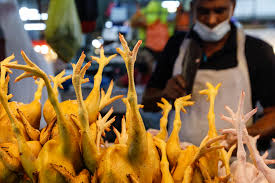
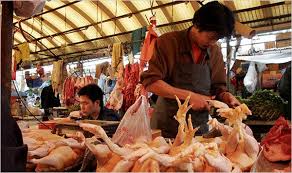
The chicken feet export industry in Iran has a history spanning more than 30 years . Previously considered a low-value waste product, chicken feet have transformed into a significant export commodity, with Iranian exporters now supplying up to 1,000 metric tons per month to international markets .
2. Product Specifications for Export-Grade Chicken Feet
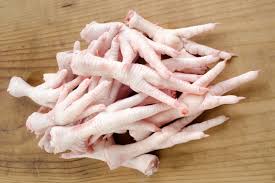
The highest-quality product grade (AA+) features white skin with the outer yellow skin removed, no bruises or broken bones, and no unpleasant odors. In tropical regions of Iran, chickens tend to be larger, while those from colder areas are lighter—a factor that exporters must consider when meeting specific market weight requirements .
Products weighing above 28 grams are exported, while smaller specimens are directed to domestic consumption or animal feed processing .
2-2. Processing Methods
Block Quick Freezing (BQF)
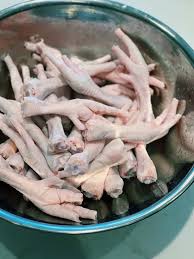
The predominant freezing method used by Iranian exporters is Block Quick Freezing (BQF) at -40°C . This process prevents the formation of large ice crystals, preserving the texture and nutritional value of the product. Following freezing, products are stored at -18°C, ensuring a stable shelf life of 12 to 24 months .
Individually Quick Freezing (IQF)
A more advanced technology increasingly adopted by Iranian exporters is Individual Quick Freezing (IQF), which freezes each piece separately, preventing clumping and allowing buyers to remove only the quantity needed .
Blast Freezing Technology
Tunnel freezing systems are also employed in modern Iranian processing facilities to achieve rapid, consistent freezing .

3. Packaging Standards and Specifications
Packaging Details:
⦁ Primary packaging: Food-grade poly bags, multi-layer sanitary material
⦁ Secondary packaging: 3-5 layer cardboard cartons, wrapped and shrink-sealed
⦁ Container capacity: 1,400-1,450 cartons (approximately 27-28 metric tons) per 40-foot reefer container
3-3. Labeling Requirements
Export packaging must include clear labeling with:
1. Product identification: Name, grade, and weight
2. Origin: “Product of Iran”
3. Storage conditions: “-18°C”
4. Production and expiry dates
5. Establishment ID: Processing facility identification
6. Certification marks: HALAL, ISO, HACCP logos where applicable
7. Bilingual labeling: Language requirements vary by destination (e.g., Arabic and English for Kuwait)
4. Advanced Packaging Technologies
4-1. Modified Atmosphere Packaging (MAP)
Modified Atmosphere Packaging (MAP) replaces the atmosphere inside the packaging with a gas mixture (typically nitrogen and carbon dioxide) to reduce oxidation and surface contamination. This technology extends shelf life and is particularly valuable for long-distance shipping to Europe and East Asia .
4-2. Vacuum Sealing
Vacuum packaging removes air from the package before sealing, reducing oxidation and preventing freezer burn. This method is increasingly adopted by Iranian exporters targeting premium markets .
4-3. IoT-Enabled Temperature Monitoring
Smart sensors and IoT platforms can record and transmit real-time data on temperature, humidity, and cargo location during transit. This transparency builds trust with buyers and ensures compliance with import regulations .
4-4. Blockchain Traceability
Blockchain-based systems can securely record product history—including temperature logs, processing details, and veterinary certificates—creating tamper-proof transparency across the supply chain .

5. Certifications an Standards Compliance
5-1. Required Certifications
5-2. Veterinary and Health Certificates
For export, Iranian exporters must obtain veterinary health certificates from Iran’s Veterinary Organization, confirming that products meet the sanitary requirements of the destination country. The documentation requirements vary by destination:
⦁ China: Veterinary certificates and facility registration required (direct exports currently limited)
⦁ European Union: Health certificates and EU-approved facility registration
⦁ Kuwait: Products must be registered with Kuwait Food Authority (KFA) prior to import clearance
⦁ Uzbekistan: Veterinary certificate and sanitary approval from authorized bodies

6. Processing Technologies in Iran
6-1. Historical Development
The chicken feet processing industry in Iran has evolved significantly over the past two decades:
⦁ Initial stage: Manual processing with limited technology
⦁ Development stage: Iranian engineers designed machinery adapted to local conditions, as imported machinery could not be practically utilized due to the separation of processing units from slaughterhouses
⦁ Current stage: Advanced automated lines with washing, grading, and packaging capabilities
6-2. Modern Processing Lines
Key technologies in modern Iranian chicken feet processing include:
1. Automated washing and sanitizing machinery
2. Grading systems (by size and quality)
3. Robotic and semi-automated packaging solutions
4. Tunnel freezing systems for rapid freezing
7. Poultry By-Products: Beyond Chicken Feet
While chicken feet represent the primary poultry by-product export from Iran, the industry also processes and exports:
Composition of Poultry By-Products:
⦁ Chicken paws (feet cut at the joint above the bone, more expensive than whole feet)
⦁ Chicken backs
⦁ Chicken necks
⦁ Edible offal (livers, gizzards, hearts)
For packaging and export, these products follow similar standards to chicken feet, with 20 kg cartons and -18°C cold chain requirements. Edible offal products often require additional veterinary certifications due to their internal organ nature.
Challenges in Chicken Feet Packaging and Export
9-1. Quality Control Issues
Due to the historical perception of chicken feet as a low-value product, some Iranian exporters have not invested adequately in processing quality, leading to:
⦁ Contamination issues at destination
⦁ Defective products
⦁ Substandard freezing conditions
⦁ Shipment rejections by Chinese authorities
9-2. Intermittent Exports
The absence of a direct legal protocol for chicken feet exports from Iran to China has resulted in indirect shipments through third ports, leading to periodic interruptions due to changing Chinese regulations .
9-3. Cold Chain Reliability
Maintaining the -18°C cold chain throughout the export journey remains a challenge, particularly during peak seasons when reefer container availability is limited .
Conclusion
The packaging of chicken feet and poultry by-products for export from Iran has evolved into a sophisticated industry requiring investment in technology, quality control, and international certification compliance. With supply capacities reaching 1,000 metric tons per month and modern processing facilities employing BQF and IQF technologies, Iranian exporters are well-positioned to compete in global markets .
Standard export packaging consists of 20 kg cartons with 4×5 kg or 2×10 kg poly bag configurations, stored and transported at -18°C to achieve a 12-24 month shelf life . Advanced technologies including MAP, IoT tracking, and blockchain traceability are increasingly critical for accessing premium markets like the European Union .
Success in international markets requires adherence to stringent quality standards, pursuing necessary certifications (HALAL, ISO, HACCP), and maintaining transparent cold chain documentation. Iranian exporters who invest in these capabilities will be able to capture larger shares of growing markets in Southeast Asia, the Middle East, and Europe.
For more info and teammate action contact with us in
Nonadshop.com


بدون دیدگاه