
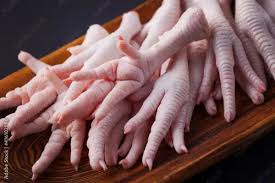
Diseases That Threaten Iranian Chicken Feet Production and the Measures Producers and Exporters Should Take to Protect Product Quality
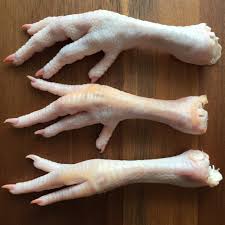
Introduction
Iran has become an important producer of poultry products in the Middle East, with growing opportunities to expand exports of value-added products such as frozen chicken feet. High demand from international markets—particularly in Asia, the Middle East, and Africa—has transformed chicken feet from a low-value by-product into a profitable export commodity.
However, the success of Iranian chicken feet exports depends heavily on the health of poultry flocks and strict compliance with international food safety standards. Infectious diseases, poor biosecurity, and inadequate processing practices can reduce production efficiency, compromise product quality, and limit access to international markets.
To maintain the global reputation of Iranian poultry products, producers, processors, and exporters must implement comprehensive disease prevention, quality control, and food safety programs throughout the production and export chain.
The Importance of Poultry Health in Chicken Feet Production
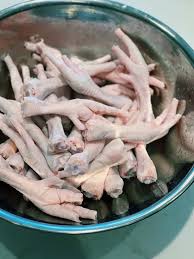
Healthy poultry are essential for producing safe, high-quality chicken feet that meet the requirements of international buyers. Although chicken feet are processed after slaughter, the overall health of the birds directly affects hygiene, product quality, and compliance with veterinary regulations.
Many importing countries require official veterinary certification confirming that poultry products originate from healthy flocks monitored under recognized disease-control programs.
Maintaining flock health therefore protects both public health and the long-term competitiveness of Iranian poultry exports.
Major Poultry Diseases That Can Affect Chicken Feet Production
-
Avian Influenza (Bird Flu)
Avian Influenza is one of the most serious diseases affecting the global poultry industry. Outbreaks can lead to significant economic losses, movement restrictions, and temporary export bans.
Preventive measures include:
-
Strict farm biosecurity.
-
Routine veterinary surveillance.
-
Rapid reporting of suspected cases.
-
Controlled access to poultry farms.
-
Compliance with national disease-control programs.
Effective prevention helps maintain market confidence and protects export opportunities.
-
Newcastle Disease
Newcastle Disease is a highly contagious viral disease that can severely reduce poultry production and affect export certification.
Recommended control measures include:
-
Comprehensive vaccination programs.
-
Regular flock health monitoring.
-
Immediate isolation of infected birds.
-
Thorough cleaning and disinfection of poultry facilities.
Early disease management minimizes economic losses and protects production capacity.
-
Salmonella Infection

Salmonella is one of the most important foodborne pathogens in the poultry industry. While it may not always cause severe illness in poultry, contamination during production or processing can create serious food safety concerns.
Prevention strategies include:
-
Strict hygiene during production and processing.
-
Effective sanitation programs.
-
Routine microbiological testing.
-
Proper employee hygiene training.
-
Hazard Analysis and Critical Control Points (HACCP)-based food safety management.
Controlling Salmonella is essential for maintaining consumer confidence and meeting import requirements.
-
Colibacillosis
Caused by pathogenic strains of Escherichia coli, colibacillosis can reduce flock performance and increase mortality, particularly when birds experience stress or poor environmental conditions.
Preventive measures include:
-
Good ventilation.
-
Proper nutrition.
-
Clean drinking water.
-
Effective litter management.
-
Reducing environmental stress.
Healthy management practices significantly lower disease incidence.
Environmental and Management Factors Affecting Poultry Health
Disease prevention depends not only on controlling pathogens but also on maintaining optimal farm management conditions.
Important management factors include:
-
High-quality feed and clean water.
-
Proper ventilation systems.
-
Appropriate stocking density.
-
Temperature and humidity control.
-
Effective waste management.
-
Stress reduction during production.
Well-managed farms experience fewer disease outbreaks and achieve higher productivity.
The Role of Producers in Protecting Export Quality
Poultry producers are responsible for ensuring that exported chicken feet originate from healthy birds raised under internationally accepted production standards.
Best practices include:
-
Implementing comprehensive biosecurity programs.
-
Following scientifically designed vaccination schedules.
-
Conducting regular veterinary inspections.
-
Maintaining complete flock health records.
-
Using approved feed ingredients.
-
Preventing contamination throughout production.
These measures improve both productivity and export reliability.
Safe Processing of Chicken Feet
Maintaining product quality continues beyond poultry production. Processing facilities must apply rigorous hygiene controls throughout every stage of production.
Critical processing practices include:
-
Hygienic slaughter procedures.
-
Careful cleaning and trimming of chicken feet.
-
Rapid chilling or freezing.
-
Prevention of cross-contamination.
-
Quality grading.
-
Export-standard packaging.
-
Continuous cold-chain management.
Proper processing preserves product quality while extending shelf life.
The Role of Exporters in Maintaining International Market Confidence
Exporters are responsible for ensuring that products meet the regulatory and commercial expectations of international buyers.
Exporters should:
-
Source products from certified processing facilities.
-
Verify veterinary health certificates.
-
Maintain complete product traceability.
-
Ensure uninterrupted refrigerated transportation.
-
Conduct laboratory testing where required.
-
Comply with importing countries’ food safety regulations.
Professional export management strengthens customer confidence and supports long-term business relationships.
International Food Safety Standards
To remain competitive in global poultry markets, Iranian exporters should operate according to internationally recognized food safety systems, including:
-
Good Manufacturing Practices (GMP).
-
Good Hygienic Practices (GHP).
-
Hazard Analysis and Critical Control Points (HACCP).
-
ISO 22000 Food Safety Management Systems.
-
Veterinary inspection and certification.
-
Complete product traceability.
Compliance with these standards facilitates access to premium export markets.
Strategies for Reducing Disease Risks and Protecting Product Quality
Successful exporters should prioritize:
-
Strengthening farm biosecurity.
-
Routine disease surveillance.
-
Continuous employee training.
-
Regular laboratory testing.
-
Strict sanitation procedures.
-
Maintaining uninterrupted cold-chain logistics.
-
Investing in modern processing technologies.
-
Building close cooperation between farmers, processors, veterinarians, and exporters.
These integrated measures significantly reduce production risks and improve export performance.
Conclusion
Maintaining healthy poultry flocks is fundamental to producing high-quality chicken feet for international markets. Diseases such as Avian Influenza, Newcastle Disease, Salmonella, and Colibacillosis can threaten production efficiency, food safety, and export opportunities if not effectively controlled.
Through comprehensive biosecurity, modern farm management, strict processing hygiene, internationally recognized food safety systems, and strong cooperation throughout the supply chain, Iranian producers and exporters can protect product quality and strengthen their competitive position in the global poultry market.
Continued investment in disease prevention, quality assurance, cold-chain logistics, and international certification will not only safeguard the reputation of Iranian chicken feet but also contribute to higher export revenues, increased customer confidence, and the sustainable growth of Iran’s poultry export industry.
For more info call us in new website
Nonadshop.com


بدون دیدگاه