
The Role of Iranian Chicken Feet Exports to Russia in Increasing Iran’s International Export Revenues and the Profitability of Iranian Traders
Introduction
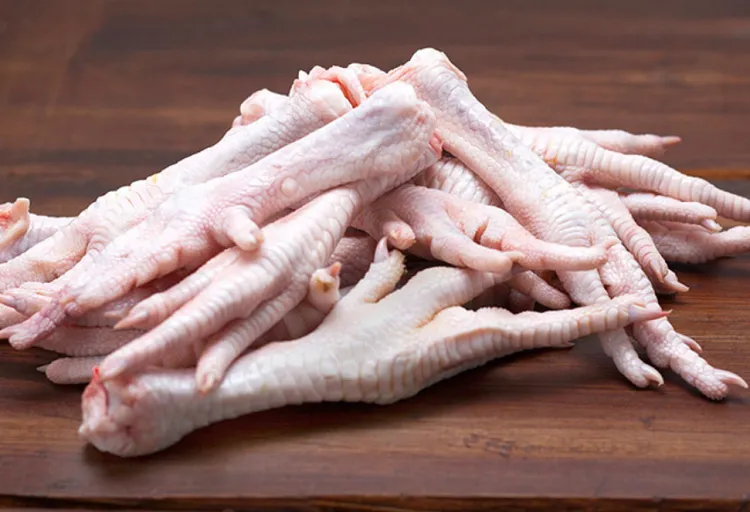
As Iran continues to diversify its economy and reduce its reliance on oil revenues, expanding value-added agricultural and livestock exports has become a strategic national priority. Among Iran’s emerging export products, Iranian chicken feet have gained considerable attention due to their growing demand in international markets and their ability to generate significant value from poultry by-products.
Although East Asian countries remain the largest consumers of chicken feet worldwide, Russia represents an important emerging market. Growing economic cooperation between Iran and Russia, expanding regional trade, and increasing demand for imported food products have created new opportunities for Iranian exporters. By meeting Russian veterinary, sanitary, and import regulations, Iranian chicken feet exports can contribute significantly to Iran’s foreign exchange earnings while improving the profitability of Iranian traders and poultry companies.
Russia as a Strategic Export Market
Russia is one of the largest food import markets in the Eurasian region. Despite its domestic agricultural production, the country continues to import a variety of food products to meet consumer demand and support its food processing industry.
Iran enjoys several competitive advantages when exporting to Russia, including:
-
Strategic geographic proximity.
-
Access to maritime transportation through the Caspian Sea.
-
Utilization of the International North–South Transport Corridor (INSTC).
-
Shorter transportation times compared with many competing exporters.
-
Expanding bilateral economic and trade cooperation.
These advantages can improve supply chain efficiency and reduce logistics costs for Iranian exporters.
Increasing Iran’s Export Revenues
Chicken feet are often considered a low-value by-product in domestic markets. However, through proper processing, grading, freezing, and export, they become a valuable international commodity capable of generating significant export income.
Expanding exports to Russia can provide numerous economic benefits, including:
-
Higher foreign exchange earnings.
-
Growth of Iran’s non-oil exports.
-
Increased value addition within the poultry industry.
-
Greater profitability for poultry processors and exporters.
-
Improvement of Iran’s trade balance.
-
Better utilization of poultry processing by-products.
This value-added approach strengthens both the poultry sector and the national economy.
The Role of Iranian Traders in Export Development
Iranian traders and businessmen play a central role in developing the Russian market. Successful exporting requires much more than production; it depends on market intelligence, regulatory compliance, commercial negotiations, and long-term business partnerships.
Key responsibilities of Iranian exporters include:
-
Conducting comprehensive market research.
-
Identifying reliable Russian importers and distributors.
-
Negotiating long-term commercial contracts.
-
Developing internationally recognized Iranian export brands.
-
Participating in international food and agricultural exhibitions.
-
Utilizing digital marketing and international B2B trade platforms.
Professional export management helps create sustainable business relationships and long-term market access.
Compliance with Veterinary and Food Safety Standards
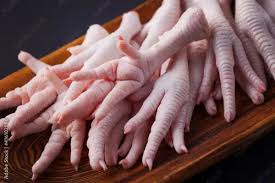
Russia maintains strict veterinary and food safety requirements for imported poultry products. Iranian exporters must ensure that all products fully comply with applicable import regulations and quality standards.
Essential measures include:
-
Hygienic processing under internationally recognized food safety systems.
-
Export-grade packaging.
-
Maintaining an uninterrupted cold chain throughout transportation.
-
Obtaining the required veterinary health certificates.
-
Implementing complete product traceability systems.
Compliance with these requirements increases buyer confidence and facilitates smoother customs clearance.
Value Addition Through Processing
Professional processing significantly enhances the commercial value of chicken feet before export.
Important value-added activities include:
-
Thorough cleaning and trimming.
-
Size and quality grading.
-
Individual Quick Freezing (IQF).
-
Hygienic and durable packaging.
-
Product labeling that complies with Russian import regulations.
These processing steps improve product quality, increase export prices, and strengthen customer satisfaction.
Economic Benefits for Iranian Traders
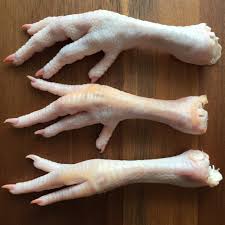
Expanding exports to Russia offers substantial commercial opportunities for Iranian traders.
Major benefits include:
-
Higher export profitability.
-
Stable foreign currency income.
-
Diversification of export destinations.
-
Expansion of long-term commercial partnerships.
-
Improved international competitiveness.
-
Stronger positioning in the Eurasian food market.
Long-term contracts with Russian buyers can also provide greater business stability and support future investment.
Challenges Facing Iranian Exporters
Despite the significant opportunities, exporters must address several important challenges:
-
Competition from other poultry-exporting countries.
-
Changes in Russian import regulations.
-
Transportation and refrigerated logistics costs.
-
Exchange rate fluctuations.
-
The need for continuous investment in marketing and brand development.
Effective management of these challenges is essential for sustainable export growth.
Strategies for Expanding Exports to Russia
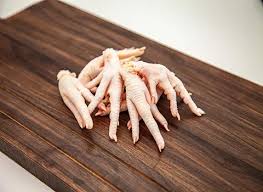
To strengthen Iran’s presence in the Russian poultry market, exporters should focus on the following strategies:
-
Improve product quality and processing technology.
-
Invest in modern freezing and packaging facilities.
-
Obtain internationally recognized food safety certifications.
-
Develop partnerships with reputable Russian distributors.
-
Participate in Russian food industry exhibitions and trade fairs.
-
Expand digital marketing and international e-commerce activities.
-
Diversify value-added poultry products for export.
-
Maintain full compliance with Russian veterinary and food safety regulations.
These initiatives will improve export competitiveness and support long-term market expansion.
Conclusion
The export of Iranian chicken feet to Russia represents a promising opportunity to increase Iran’s international export revenues, strengthen the country’s non-oil economy, and create greater value within the poultry industry. Iran’s strategic location, expanding trade relations with Russia, and strong poultry production capacity provide a solid foundation for sustainable export growth.
Iranian traders play a decisive role in this process by identifying market opportunities, building international business networks, maintaining high-quality standards, and investing in modern marketing and branding strategies. Their efforts not only improve business profitability but also contribute to higher foreign exchange earnings, increased employment, stronger regional trade integration, and the long-term development of Iran’s export-oriented economy.
For more info call us in our websites
Nonadshop.com

بدون دیدگاه