
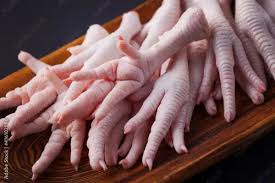
What Foreign Buyers Don’t Know About Chicken Feet
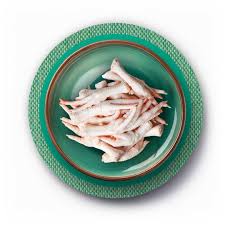
When it comes to sourcing chicken feet, most international buyers immediately think of major suppliers like Thailand, Brazil, or China. However, Iran has quietly emerged as a competitive and increasingly reliable player in this niche market. But there are several critical facts about Iranian chicken feet that even experienced foreign buyers often overlook.
-
Strict Halal Processing Standards – A Double Benefit
Iranian poultry processing plants operate under rigorous halal certification requirements. While many buyers associate halal mainly with slaughter methods, Iran’s halal protocols also demand high hygiene standards, minimal blood residue, and quick chilling after processing. This results in cleaner, safer chicken feet with a longer shelf life compared to some conventional sources.
What buyers don’t realise is that this halal-driven cleanliness often exceeds basic export sanitation requirements, reducing the risk of salmonella or E. coli contamination.
-
A Unique Breed Mix – Different Size & Texture
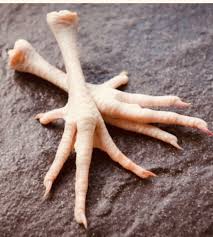
Iran’s broiler industry relies on native crossbreeds like Ross 308 and Cobb 500, but adapted to local climate and feed. These birds produce chicken feet that are slightly smaller in diameter than Thai or Brazilian ones, but with thicker, more gelatinous skin and a firmer texture. For buyers in China, Vietnam, or Nigeria (where chicken feet are a delicacy), this can be either an advantage or a surprise – the texture holds up better in long stewing, but the smaller size means more pieces per kilogram.
-
Lower Cost, but Volatile Logistics
Iranian chicken feet are often 10–20% cheaper than competitors FOB Bandar Abbas. However, foreign buyers rarely understand the logistical challenges:
-
Banking restrictions due to sanctions mean payments are typically routed through third countries (UAE, Turkey, Oman).
-
Container availability can be unpredictable, leading to longer lead times (sometimes 45–60 days instead of 25–30).
-
Cold chain reliability at smaller ports is improving but varies.
Smart buyers work with Iranian exporters who have established transshipment hubs in Jebel Ali (UAE) or Mersin (Turkey) to mitigate these risks.
-
Seasonal Availability & Quality Fluctuations
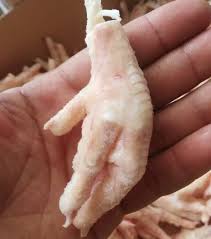
Unlike tropical countries with year-round uniform production, Iran experiences significant seasonal temperature changes. Summer months (June–August) often produce chicken feet with slightly softer skin and higher moisture content due to heat stress on birds. Winter production (December–February) yields firmer, drier feet – preferred for deep-freeze shipping. Experienced Iranian suppliers adjust their inventory accordingly, but many foreign buyers mistakenly assume consistent quality year-round.
-
By-Product of a Booming Domestic Industry
Most Iranian chicken feet are a true by‑product – not a primary target. Iran’s domestic poultry consumption is over 2.5 million metric tons annually, creating huge volumes of feet that local markets don’t fully absorb. This means:
-
No dedicated “foot farming” – feet are from normal broiler production, not from birds bred for large feet.
-
Low competition for raw material inside Iran, keeping export prices stable.
-
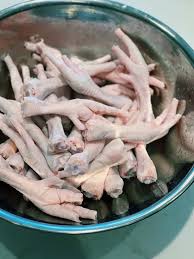
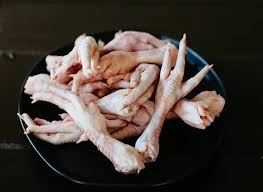
Risk of mixed grades – unless the buyer specifies strict grading (size, skin integrity, nail removal), some shipments may include more small or damaged pieces than expected.
-
Gradual Adoption of Modern Grading Machines
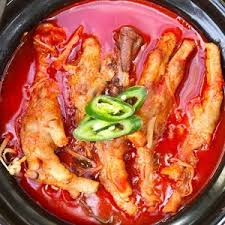
While top Iranian exporters have invested in automatic foot cutting, peeling, and grading lines (from European or Chinese machinery), many midsize plants still use semi-manual sorting. Foreign buyers who demand uniform size (e.g., 35–45g per foot) and fully peeled skin must explicitly request machine-graded products. Otherwise, they may receive hand‑sorted batches with more variability.
-
Export Documentation – More Complex but Manageable
Iranian exporters can provide Certificate of Origin, Halal Certificate, Health Certificate from Iran Veterinary Organization, and Phytosanitary (if required). However, some foreign buyers are surprised that Iran is not a signatory to certain international sanitary agreements – meaning each shipment might face extra inspection at destination ports like Shanghai or Rotterdam. Experienced Iranian sellers pre‑arrange third-party inspections (SGS, Bureau Veritas) at origin to smooth customs clearance.
Conclusion – A Hidden Opportunity with Eyes Open
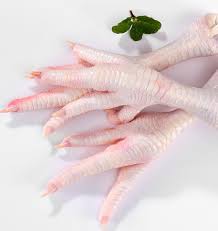
Iranian chicken feet offer competitive pricing, good gelatin quality, and halal hygiene – but they come with unique breed characteristics, seasonal variations, and logistical hurdles. Foreign buyers who take the time to understand these nuances can secure a reliable, cost‑effective source that many competitors still ignore.
Key takeaway: Work with established Iranian exporters who have proven transshipment routes, clear grading standards, and cold chain accountability. And always request a pre-shipment sample from winter and summer production to see the difference for yourself.
NONADSHOP TRADE COMPANY
http://parvisico.com

WITH HIS EXPERIENCE IN TRADE AND EXPORT
READY FOR HELP TO ALL TRADERS IN FOREIGN COUNTRIES

بدون دیدگاه