
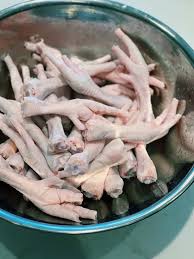
Export of Chicken Feet from Iran; Sweet Profits Amid the Bitterness of Sanctions and Reefer Container Shortages
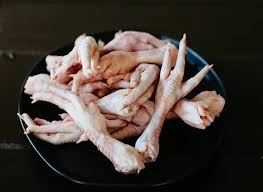
In recent years, exporting chicken feet and chicken paws from Iran has become one of the most lucrative trading fields. However, contrary to popular belief, this path faces serious challenges: international sanctions and recurring shortages of refrigerated (reefer) containers. In this article, we examine the profitability of this trade alongside its obstacles – and provide practical solutions to overcome the “bitterness”.

Why is Chicken Feet Export Still “Sweet”
The main target markets are East Asian countries such as China, Vietnam, Thailand, and Malaysia. There, due to cultural factors and perceived nutritional benefits, chicken feet command prices several times higher than in Iran. According to unofficial figures, the net profit per 20‑ton container of exported chicken feet (depending on exchange rates and shipping lines) can range between $800 and $2,500 USD. Given Iran’s high production capacity (over 50,000 tons potential annually), this creates a strong incentive for traders.
Furthermore, Iran’s sanitary standards have improved significantly in recent years. The Iranian Veterinary Organization has obtained certifications accepted by China and Vietnam. So the “sweetness of profit” is no longer just a promise – it has become a reality for many active exporters.

First Bitterness: Sanctions & Restricted Access to Global Shipping Lines
Banking and transport sanctions limit access to reputable international carriers. Major operators like MSC, Maersk, and COSCO do not cooperate directly with Iran. Exporters must rely on domestic shipping lines (e.g., IRISL, SISL, Safiran) or use forwarders in third countries (like UAE or Turkey) as intermediaries.
Impact of Sanctions on Cost & Time:
· 20–40% increase in freight rates compared to global market
· Need for transshipment in Dubai or Oman, adding 5–10 days of transit
· Risk of container detention or rejection at intermediate ports
Practical solution: Use domestic lines with sanctions‑resilient contracts (e.g., naming destination instead of origin) and work with experienced forwarders in Bandar Abbas and Chabahar.
Second Bitterness: Reefer Container Shortages During Peak Season
Chicken feet are highly perishable and must be shipped at -18°C. This means a reefer container is the only option. However, during peak season (October to February), the availability of reefer containers in southern ports like Bandar Abbas and Imam Khomeini Port drops sharply.
Estimated shortage figures:
· Normal season: around 15% of empty reefer containers available
· Peak season: less than 5%
· Daily rental rate for a reefer on the black market can reach 3 times the official rate
Consequences
· Delays in shipment
· Product leaving the cold chain while waiting for a container (increased spoilage risk)
· Losing time‑sensitive contracts with foreign buyers
Practical solution: Book reefer containers 2–3 weeks in advance. Sign annual contracts with shipping lines for a dedicated reefer quota. Invest in land‑based refrigerated trailers for temporary storage at the port area.
Challenging but Profitable Sea Routes
Most chicken feet exports go from Shahid Rajaee Port (Bandar Abbas) to the following destinations:
Route Active Shipping Lines Transit Time Main Challenge
Bandar Abbas → Tianjin (China) IRISL, Sureline, SISL 18‑25 days Reefer shortage in winter
Bandar Abbas → Ho Chi Minh City (Vietnam) Safiran, Aseman 14‑20 days Mandatory transshipment in Singapore
Chabahar → Mumbai (India) Occasional, local forwarders 6‑10 days Irregular schedules & sailing cancellations
Key note: The Chabahar → Mumbai route, despite being the shortest, is the riskiest due to irregular services.
Conclusion: More Sweetness or Bitterness
The truth is that exporting chicken feet from Iran remains highly profitable, but it is no longer a simple trade. Any trader entering this field must:
· Price profit margins taking into account freight rate volatility
· Have at least two alternative shipping lines per route
· Invest in or contract backup cold storage facilities at the port
· Work with an experienced forwarder for customs clearance in Chinese and Vietnamese ports
If these conditions are met, the bitterness of sanctions and container shortages becomes manageable, and the sweetness of millions in profit will be the exporter’s reward.
OUR EXPERIENCE IN
NONADSHOP GROUP COMPANY

CAN HELP TO ALL BUSINESS IN IRAN AND OTHER SIDE
http://parvisico.com



بدون دیدگاه