

The Crucial Role of Beluga Sturgeon Exports in Iran’s Economy
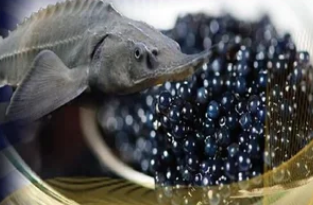
Introduction: Why is Beluga Sturgeon the Star of Iran’s Blue Economy?
With its two distinct and strategic aquatic basins (the Caspian Sea and the Persian Gulf/Oman Sea), Iran possesses unparalleled potential in the global fisheries industry. Among various fish species, Beluga Sturgeon and, more broadly, sturgeon fish, hold a position far beyond that of a simple food commodity; they are known as “Black Gold” and play a key role in generating foreign currency and developing a non-oil economy.
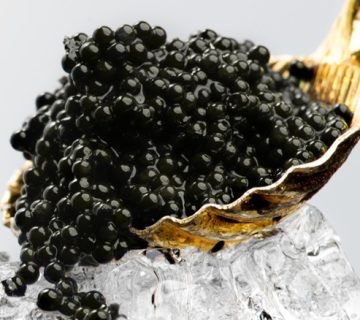
Iranian caviar, particularly that produced in the provinces of Mazandaran, Gilan, and Golestan, is recognized globally as a symbol of quality and authenticity. This article provides a detailed analysis of the role of Beluga sturgeon and Iranian caviar exports in the national economy, their impact on global markets, and strategies to enhance Iran’s share in this luxury market.
## 1) Beluga Sturgeon and Its Position in Iran’s Export Basket
The Beluga Sturgeon (*Huso huso*) is the largest species of sturgeon, known for its long lifespan and exceptionally high-quality caviar. Although the export of live Beluga fish has decreased due to environmental restrictions and international laws, caviar extracted from this species remains one of Iran’s most expensive and high-demand non-oil export commodities.
### Why is Beluga Important for Iran’s Economy?
* High Value-Added: Each kilogram of Beluga caviar can fetch tens of thousands of dollars, directly contributing to the country’s foreign exchange reserves.
* Low Volume, High Profitability: Shipping this product is less costly compared to other agricultural or industrial goods, yet it offers significantly higher profit margins.
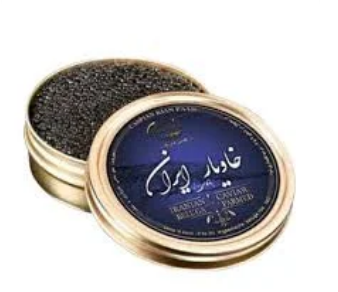
* National Branding: The name “Iranian Caviar” is synonymous with superior quality in the world, allowing it to serve as a flagship for non-oil exports.
## 2) The Impact of Caviar Exports on Iran’s Economy: From Foreign Currency to Job Creation
The export of Beluga sturgeon and its derivatives (caviar and fillets) has profound chain effects on Iran’s economy:
### 2.1) Foreign Currency Generation and Trade Balance Improvement
In times of high oil price volatility, caviar export acts as a source of stable, non-oil foreign currency. Countries with high caviar consumption, such as France, Italy, Japan, and China, pay substantial amounts for Iranian caviar, which directly helps balance the trade account.
### 2.2) Job Creation in Northern Regions
The sturgeon farming and fishing industry is the primary source of livelihood for tens of thousands of people in the northern provinces (Mazandaran, Gilan, Golestan). This industry not only provides employment for farmers but also supports related sectors such as packaging industries, cold chain transportation, and food processing.
### 2.3) Development of Technology and Knowledge-Based Enterprises
Raising Beluga sturgeon requires advanced technologies, precise water quality control, scientific nutrition, and modern processing. This has led to the growth of knowledge-based companies in the fisheries sector and facilitated technology transfer within the country.
## 3) Challenges Facing Beluga Sturgeon Exports
Despite its high potential, Beluga sturgeon export faces significant obstacles. If not managed properly, these challenges could reduce a large portion of the industry’s economic revenue:
### 3.1) Strict CITES Regulations
Beluga sturgeon is listed in Appendix I of the CITES convention (Convention on International Trade in Endangered Species of Wild Fauna and Flora). This means its trade requires precise permits and strict environmental monitoring. Non-compliance with these regulations can lead to heavy fines or export bans.
### 3.2) Intense Competition from Russia and Azerbaijan
Russia and Azerbaijan, with their rich natural stocks and massive investments in industrial farming, hold a major share of the global caviar market. To maintain its market share, Iran must focus on quality and luxury packaging.
### 3.3) Banking Obstacles and Currency Transfer Issues
One of the biggest challenges for Iranian exporters is the difficulty in transferring export proceeds due to banking sanctions. This forces many exporters to use informal methods, which carry legal risks.
## 4) Target Markets for Iranian Caviar Exports in 2025
To increase market share, understanding the characteristics of customers in each region is crucial:
| Target Market | Characteristics and Sales Strategy |
| Europe (France, Italy) | High sensitivity to quality and health permits (EU Standards). Focus on luxury packaging and reputable brands. |
| Middle East (UAE, Qatar, Saudi Arabia) | High demand for luxury gifts and catering. Need for fast delivery and after-sales service. |
| Asia (Japan, China, Korea) | Growing market with a preference for special and health-oriented products. Importance of branding and product authenticity. |
| USA and Canada | High-value markets but with very strict import regulations. Need for authorized intermediaries. |
## 5) Strategies to Increase Iran’s Export Share in the Beluga Market
To reclaim its true position in the global economy, Iran must take the following actions:
-
Focus on Branding: Creating a unified national brand under the label “Authentic Iranian Caviar” to distinguish from counterfeit or low-quality products.
-
Upgrading Packaging Standards: Using modern, tamper-evident packaging suitable for maintaining freshness during long air freight journeys.
-
Product Diversification: Producing side products such as ready-to-eat meals with caviar flavor, dietary supplements, and cosmetic creams based on Beluga collagen to attract new market segments.
-
Economic Diplomacy: Leveraging international organizations to facilitate currency transfer and resolve banking issues for exporters.
-
Sustainable Industrial Farming: Reducing pressure on the natural stocks of the Caspian Sea and moving towards industrial farming farms with global standards.
Conclusion
The export of Beluga sturgeon and its caviar is far more than a simple trade; it is the backbone of Iran’s blue economy. This industry plays an undeniable role in economic development by generating high value-added, securing foreign currency, and creating jobs. However, to maintain and expand this role, Iran must successfully navigate environmental, legal, and banking challenges and focus on quality and branding. Iran’s economic future depends on its ability to convert natural potentials into sustainable and competitive economic opportunities in global markets.



بدون دیدگاه