
Assessing the Export Potential of Iranian Farmed Shrimp to Southern European Countries (2025)
Introduction
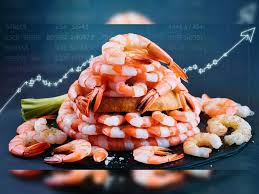
The shrimp farming industry in Iran has experienced significant growth in recent years, becoming one of the most important sources of non-oil export revenue. Given the increasing global demand for shrimp, especially in Southern European markets, assessing the export potential of Iranian farmed shrimp to this region is of paramount importance. This article, based on the latest studies and reports published in 2025, analyzes the capacities, challenges, and opportunities for exporting Iranian farmed shrimp to Southern European countries.
-
Production Capacity of Farmed Shrimp in Iran
1.1. Production Volume and Species Diversity
-
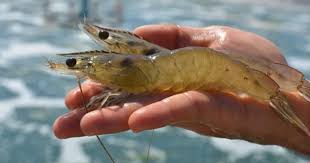
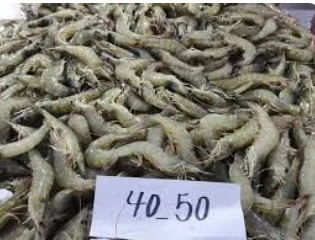
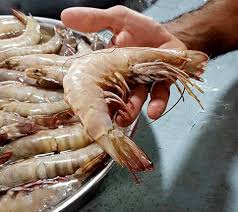
Iran, with an annual production of over 150,000 tons of shrimp, is one of the world’s largest shrimp producers. The main farmed species include whiteleg shrimp (Litopenaeus vannamei) and black tiger shrimp (Penaeus monodon).
-
Hormozgan, Bushehr, and Khuzestan provinces are the main hubs for shrimp farming, with the necessary infrastructure for increased production
1.2. Production and Health Standards
-
Iranian shrimp farms are gradually aligning with international standards such as HACCP and ISO 22000, which has increased the confidence of target markets, especially the European Union, in Iranian products.
-
Controlling drug and antibiotic residues in farmed shrimp is one of the main challenges for exports to Europe. The EU has strict regulations in this regard, and non-compliance can lead to shipment rejection.
-
Demand and Target Markets in Southern Europe
2.1. Main Importing Countries
-
Southern European countries, especially Spain, Italy, and Greece, are among the largest importers of shrimp in the EU. Spain, with annual imports of over 200,000 tons of shrimp, is the largest target market for Iranian exports.
-
Italy and Greece, due to their high seafood consumption culture, are also high-potential markets for Iranian shrimp.
2.2. Consumer Preferences
-
European consumers are highly sensitive to the quality, size, and farming methods of shrimp. Whiteleg shrimp, due to its suitable taste and texture, is particularly favored in Southern European markets.
-
Processed products such as peeled and frozen shrimp have higher demand in European markets and can create more added value.
-
Iran’s Competitive Advantages in Shrimp Exports to Southern Europe
3.1. Price and Production Cost
-
The cost of shrimp production in Iran is lower compared to competitors such as Ecuador and India, due to access to warm waters and cheap labor. This provides a competitive advantage in pricing.
3.2. Quality and Product Diversity
-
Iranian farmed shrimp is of high quality due to suitable climatic conditions and the use of modern technology. Diversity in size and packaging can meet the various needs of European markets.
3.3. Delivery Time and Logistics
-
Iran’s geographical proximity to Southern European markets reduces transportation time and costs, offering a significant competitive advantage over American and Asian competitors.
-
Challenges Facing the Export of Farmed Shrimp to Southern Europe
4.1. Legal and Customs Barriers
-
The European Union has strict regulations on the import of seafood products. Obtaining health certificates and complying with environmental standards are among the main challenges for shrimp exports to Europe.
4.2. Competition with Rival Countries
-
Ecuador, India, and Vietnam are Iran’s main competitors in European markets. These countries, with their mass production and strong branding, hold a significant market share.
4.3. Currency and Economic Fluctuations
-
Fluctuations in exchange rates and economic sanctions can negatively affect the final price and competitiveness of Iranian shrimp in global markets.
-
Strategies to Increase Export Potential
5.1. Improving Health and Quality Standards
-
Investing in improving the health infrastructure of farms and obtaining international certifications can increase the trust of European markets.
5.2. Branding and Marketing Development
-
Creating strong brands for Iranian shrimp and active participation in international exhibitions can help better introduce Iranian products to target markets.
5.3. Diversification of Processed Products
-
Producing and exporting processed products such as peeled, frozen, and ready-to-cook shrimp can create more added value and increase demand
-

Conclusion
The export of Iranian farmed shrimp to Southern European countries has high potential due to production capacities, high market demand, and competitive advantages. However, to capitalize on these opportunities, it is essential to address the challenges, especially regarding health standards and competition with rival countries. Investing in quality improvement, branding, and product diversification can be effective strategies for increasing Iran’s market share in Southern Europe.
Nonadshop group
ready for help to all trader in world for export and import goods to iran and other country.
For more info call us

)
بدون دیدگاه