
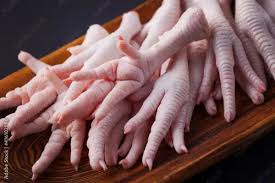
The Global Trade of Chicken Paws: A Lucrative Market Analysis
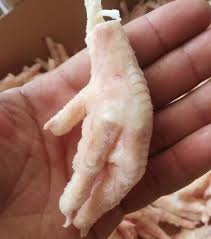
The global poultry trade has experienced a significant evolution, with chicken paws (also known as chicken feet) transforming from a low-value by-product to a high-demand commodity in international markets. This essay explores the intricate dynamics of the global chicken paw export industry, examining the leading exporters, key import markets, logistical considerations, and the geopolitical and sanitary factors that shape this unique segment of the agricultural trade. Valued at billions of dollars, this market exemplifies how cultural preferences and efficient supply chains can create substantial economic value from what was once considered waste.
-
Global Market Overview and Key Drivers
The global chicken paw trade is a multi-billion dollar industry, with the broader chicken export market estimated to exceed $35 billion** in 2026. While a distinct niche, chicken paws are a significant contributor, with the raw chicken feet market alone valued at **$6.5 billion in 2026 and projected to grow steadily. This growth is primarily driven by sustained and rising demand across Asia-Pacific nations.
The market’s foundation rests on a substantial demand-supply gap in major consuming countries. For instance, while China produces approximately 18 billion chicken feet domestically annually, its domestic demand is estimated at 30 billion, creating a deficit of 12 billion feet that must be met through imports. This pattern is replicated in other regions where chicken paws are considered a delicacy, used in soups, dim sum, and other culinary applications.
-
Primary Product Form: Frozen chicken paws dominate international trade, comprising approximately 80% of export volume. This format is essential for long-distance shipping and extended shelf life.
-
Key Import Region: Asia-Pacific is the undisputed consumption leader. Vietnam and China alone account for over 60% of global import volume, followed by countries like Uzbekistan, Hong Kong, and the Philippines.
-
Emerging Applications: Beyond direct human consumption, which accounts for about 85% of use, diversification into pet food (10%) and collagen extraction for supplements and cosmetics (5%) presents growing opportunities.
-
Major Exporting Nations

The landscape of chicken paw exports is competitive, with leadership positions varying based on the specific data metric (shipments vs. volume) and the destination market.
Global Leaders: Brazil and the United States
Brazil is the undisputed volume leader in overall poultry exports, accounting for 35-38% of the global market. This strength extends to chicken paws. Brazil is a top supplier to China, reportedly fulfilling about 50% of its import needs, leveraging its structural advantages.
The United States is another powerhouse, historically a leading supplier to China. At its peak, the U.S. exported about 133,700 metric tons of chicken feet to China in 2022. Chicken paws can constitute a remarkably high percentage—73.8% by volume in 2024—of total U.S. poultry exports to China, highlighting their disproportionate importance. The U.S. industry benefits from large-scale production, though it faces volatility due to trade policy shifts.
Other Significant Exporters

-
Ukraine: Has emerged as a major player, often ranking second in total export shipments.
-
Russia: A consistent top-tier exporter, particularly to Asian markets, and is noted alongside Brazil as a supplier of premium products.
-
Thailand: A dominant force in value-added processed poultry, though more focused on cooked and prepared items than raw paws.
-
European Union (notably Poland): A major bloc for chilled and frozen poultry, competing on quality, sustainability, and traceability.
Comparative Advantages
-
Brazil: Success is built on integrated feed production (soy and corn), sanitary stability (maintaining HPAI-free commercial status), and tailored logistics.
-
United States: Has large-scale production but faces challenges from avian influenza outbreaks and trade policy disputes, which can lead to sudden market closures.
-
Major Importing Nations and Demand Centers
Demand is heavily concentrated, turning a few key markets into strategic priorities for exporters worldwide.
Top Destinations for Chicken Paw Exports:
-
Vietnam: The largest single importer by volume, accounting for 36% of global import shipments.
-
China: The most high-value market, with imports driven by a vast domestic deficit. It represents over 27% of global import volume. Consumer preference often favors larger paws.
-
Hong Kong & Southeast Asia: Acts as a major trade and consumption hub. Other nations like the Philippines, Malaysia, and Thailand have robust domestic demand.
-
Middle East & Africa: Countries like Saudi Arabia, the UAE, and Angola are significant destinations, often requiring Halal-certified products. The Middle East shows consumption growth outpacing domestic production.
-
Product Specifications, Logistics, and Trade Procedures
-

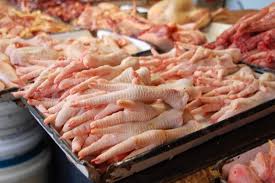
Successful export hinges on mastering stringent product and logistical standards.
-
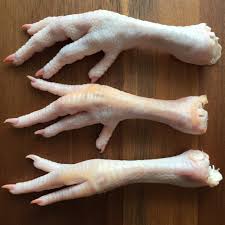
Grading & Specifications: Buyers in markets like China often seek specific grades (e.g., “Grade A”) based on size, color, and absence of blemishes. Processing specifications (e.g., with skin, nails removed, cleaned of membrane) vary by market.
-
Cold Chain Logistics: Maintaining a temperature of -18°C or below during transit is non-negotiable. Brazil’s investment in port-side cold storage and reefer container efficiency is a noted competitive edge.
-
Packaging: Standard packaging includes 10-20 kg cartons loaded onto pallets, with a typical 40-foot refrigerated container holding about 27 metric tons of product.
-
Trade Compliance: Export requires a suite of certifications, including GACC approval (for China), SIF (Brazilian federal inspection), Halal certification, and often third-party audits like SGS. The process is governed by documentary procedures such as Letters of Credit (subject to UCP 600 rules), Sales and Purchase Agreements (SPAs), and strict sanitary protocols.
-
Challenges and Market Risks
The trade faces several persistent headwinds that can abruptly alter its dynamics.
-
Sanitary and Trade Restrictions: Avian Influenza (HPAI) is the single greatest disruptor. Outbreaks can trigger immediate import bans from affected regions. For example, China’s ban on approximately 65% of U.S. suppliers in 2023 caused exports from affected facilities to drop to zero for months.
-
Geopolitical and Policy Volatility: Trade wars and tariffs can render exports uncompetitive overnight. The regionalization of health bans (restricting only affected states rather than an entire country) is a critical diplomatic tool that Brazil has mastered better than some competitors.
-
Economic and Market Pressures: Exporters face input cost volatility (feed, energy) and currency exchange fluctuations. Furthermore, building domestic consumption in Western countries for products like paws remains a slow process, leaving exporters heavily dependent on a few foreign markets.
-
Future Outlook and Strategic Implications
The future of chicken paw exports will be shaped by adaptation and diversification.
-
Market Diversification: Exporters are incentivized to reduce reliance on China by cultivating markets in Vietnam, the Philippines, Saudi Arabia, and Cuba. Developing value-added products like processed paws or collagen extracts also opens new revenue streams.
-
Sustainability and Traceability: Leading exporters are increasingly emphasizing low-carbon production, animal welfare standards, and full supply-chain traceability to meet the demands of modern retailers and conscious consumers.
-
Resilience through Integration: The most resilient players will be those with vertically integrated operations, from feed production to processing and logistics, buffering them against market shocks. Brazil’s model of treating exports as engineered products tailored for specific markets, rather than as surplus disposal, is a key strategic lesson.
Conclusion
The global export of chicken paws is a complex, high-stakes industry that turns a once-underutilized by-product into a valuable global commodity. Its trajectory is determined by a delicate interplay between deep-seated cultural tastes in Asia, the agricultural and logistical prowess of major exporters like Brazil and the U.S., and the ever-present risk of sanitary and geopolitical disruptions. For nations and companies that can navigate this landscape—by investing in biosecurity, building diversified market portfolios, and adhering to stringent quality standards—the chicken paw trade will remain a significant and lucrative component of the global agribusiness economy for years to come.
The global poultry trade has experienced a significant evolution, with chicken paws (also known as chicken feet) transforming from a low-value by-product to a high-demand commodity in international markets. This essay explores the intricate dynamics of the global chicken paw export industry, examining the leading exporters, key import markets, logistical considerations, and the geopolitical and sanitary factors that shape this unique segment of the agricultural trade. Valued at billions of dollars, this market exemplifies how cultural preferences and efficient supply chains can create substantial economic value from what was once considered waste.
-
Global Market Overview and Key Drivers
The global chicken paw trade is a multi-billion dollar industry, with the broader chicken export market estimated to exceed $35 billion** in 2026. While a distinct niche, chicken paws are a significant contributor, with the raw chicken feet market alone valued at **$6.5 billion in 2026 and projected to grow steadily. This growth is primarily driven by sustained and rising demand across Asia-Pacific nations.
The market’s foundation rests on a substantial demand-supply gap in major consuming countries. For instance, while China produces approximately 18 billion chicken feet domestically annually, its domestic demand is estimated at 30 billion, creating a deficit of 12 billion feet that must be met through imports. This pattern is replicated in other regions where chicken paws are considered a delicacy, used in soups, dim sum, and other culinary applications.
-
Primary Product Form: Frozen chicken paws dominate international trade, comprising approximately 80% of export volume. This format is essential for long-distance shipping and extended shelf life.
-
Key Import Region: Asia-Pacific is the undisputed consumption leader. Vietnam and China alone account for over 60% of global import volume, followed by countries like Uzbekistan, Hong Kong, and the Philippines.
-
Emerging Applications: Beyond direct human consumption, which accounts for about 85% of use, diversification into pet food (10%) and collagen extraction for supplements and cosmetics (5%) presents growing opportunities.
-
Major Exporting Nations

The landscape of chicken paw exports is competitive, with leadership positions varying based on the specific data metric (shipments vs. volume) and the destination market.
Global Leaders: Brazil and the United States
Brazil is the undisputed volume leader in overall poultry exports, accounting for 35-38% of the global market. This strength extends to chicken paws. Brazil is a top supplier to China, reportedly fulfilling about 50% of its import needs, leveraging its structural advantages.
The United States is another powerhouse, historically a leading supplier to China. At its peak, the U.S. exported about 133,700 metric tons of chicken feet to China in 2022. Chicken paws can constitute a remarkably high percentage—73.8% by volume in 2024—of total U.S. poultry exports to China, highlighting their disproportionate importance. The U.S. industry benefits from large-scale production, though it faces volatility due to trade policy shifts.
Other Significant Exporters
-
Ukraine: Has emerged as a major player, often ranking second in total export shipments.
-
Russia: A consistent top-tier exporter, particularly to Asian markets, and is noted alongside Brazil as a supplier of premium products.
-
Thailand: A dominant force in value-added processed poultry, though more focused on cooked and prepared items than raw paws.
-
European Union (notably Poland): A major bloc for chilled and frozen poultry, competing on quality, sustainability, and traceability.
Comparative Advantages
-
Brazil: Success is built on integrated feed production (soy and corn), sanitary stability (maintaining HPAI-free commercial status), and tailored logistics.
-
United States: Has large-scale production but faces challenges from avian influenza outbreaks and trade policy disputes, which can lead to sudden market closures.
-
Major Importing Nations and Demand Centers
Demand is heavily concentrated, turning a few key markets into strategic priorities for exporters worldwide.
Top Destinations for Chicken Paw Exports:
-
Vietnam: The largest single importer by volume, accounting for 36% of global import shipments.
-
China: The most high-value market, with imports driven by a vast domestic deficit. It represents over 27% of global import volume. Consumer preference often favors larger paws.
-
Hong Kong & Southeast Asia: Acts as a major trade and consumption hub. Other nations like the Philippines, Malaysia, and Thailand have robust domestic demand.
-
Middle East & Africa: Countries like Saudi Arabia, the UAE, and Angola are significant destinations, often requiring Halal-certified products. The Middle East shows consumption growth outpacing domestic production.
-
Product Specifications, Logistics, and Trade Procedures
Successful export hinges on mastering stringent product and logistical standards.
-
Grading & Specifications: Buyers in markets like China often seek specific grades (e.g., “Grade A”) based on size, color, and absence of blemishes. Processing specifications (e.g., with skin, nails removed, cleaned of membrane) vary by market.
-
Cold Chain Logistics: Maintaining a temperature of -18°C or below during transit is non-negotiable. Brazil’s investment in port-side cold storage and reefer container efficiency is a noted competitive edge.
-
Packaging: Standard packaging includes 10-20 kg cartons loaded onto pallets, with a typical 40-foot refrigerated container holding about 27 metric tons of product.
-
Trade Compliance: Export requires a suite of certifications, including GACC approval (for China), SIF (Brazilian federal inspection), Halal certification, and often third-party audits like SGS. The process is governed by documentary procedures such as Letters of Credit (subject to UCP 600 rules), Sales and Purchase Agreements (SPAs), and strict sanitary protocols.
-
Challenges and Market Risks
The trade faces several persistent headwinds that can abruptly alter its dynamics.
-
Sanitary and Trade Restrictions: Avian Influenza (HPAI) is the single greatest disruptor. Outbreaks can trigger immediate import bans from affected regions. For example, China’s ban on approximately 65% of U.S. suppliers in 2023 caused exports from affected facilities to drop to zero for months.
-
Geopolitical and Policy Volatility: Trade wars and tariffs can render exports uncompetitive overnight. The regionalization of health bans (restricting only affected states rather than an entire country) is a critical diplomatic tool that Brazil has mastered better than some competitors.
-
Economic and Market Pressures: Exporters face input cost volatility (feed, energy) and currency exchange fluctuations. Furthermore, building domestic consumption in Western countries for products like paws remains a slow process, leaving exporters heavily dependent on a few foreign markets.
-
Future Outlook and Strategic Implications
The future of chicken paw exports will be shaped by adaptation and diversification.
-
Market Diversification: Exporters are incentivized to reduce reliance on China by cultivating markets in Vietnam, the Philippines, Saudi Arabia, and Cuba. Developing value-added products like processed paws or collagen extracts also opens new revenue streams.
-
Sustainability and Traceability: Leading exporters are increasingly emphasizing low-carbon production, animal welfare standards, and full supply-chain traceability to meet the demands of modern retailers and conscious consumers.
-
Resilience through Integration: The most resilient players will be those with vertically integrated operations, from feed production to processing and logistics, buffering them against market shocks. Brazil’s model of treating exports as engineered products tailored for specific markets, rather than as surplus disposal, is a key strategic lesson.


بدون دیدگاه