
Methods for Preparing Chicken Paws for Export from Iran to China
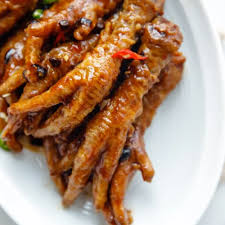
The export of chicken paws from Iran to China is a lucrative yet challenging trade that requires strict adherence to processing and packaging standards. To succeed in this market, producers must follow specific methods. In this regard, NONADSHOP, leveraging years of export experience, a complete production and logistics chain, and compliance with all standards, has established itself as a prominent player in the export of chicken paws to China.
The following principles and steps must be considered in the export process:
1. Initial Collection and Washing
Chicken paws must be collected from slaughterhouses immediately after slaughter and washed with cold water. This step not only removes surface contaminants but also cools the product. The use of dry ice and transportation via refrigerated trucks to packaging units is essential.
2. Quality Control and Grading
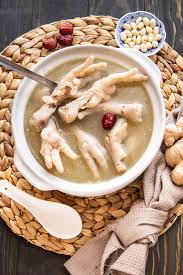
Chicken paws must be inspected for size and the absence of wounds or discoloration (sole lesions). Large, undamaged chicken paws (over 28 grams) are graded as A and are suitable for export. Smaller or defective products are typically used for the domestic market or animal feed.
3. Quick Freezing and Standard Freezing
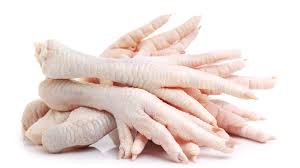
The use of freezing tunnels at a temperature of -18°C 🧊 is crucial to maintain quality and prevent spoilage. Improper freezing can cause blood vessels under the skin to burst, turning the product red, whereas proper freezing preserves the desirable pink color

4. Packaging According to International Standards
Packaging is typically done in 20 kg cartons, divided into either 4 bags of 5 kg each or 2 bags of 10 kg each. Each container can hold approximately 1,400 cartons (28 tons). The packaging must be moisture-proof and clearly labeled.
5. Obtaining Health and Customs Permits
Exporting to China requires permits from the Iranian Veterinary Organization 🇮🇷 and the Ministry of Agriculture. These permits include health certifications, technical permits, and currency permits. Additionally, the customs tariff code 02071440 is assigned for frozen chicken paws.
Conclusion



بدون دیدگاه