
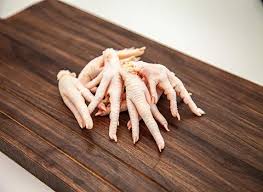
Malaysia’s Chicken Feet Import Market
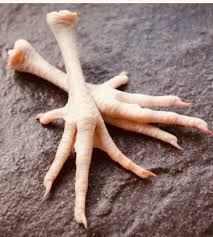
Introduction
Malaysia’s market may offer opportunities for chicken feet exporters due to its poultry consumption, food industry, and emphasis on halal products. In several Asian markets, chicken feet are consumed in traditional dishes, soups, and processed food products. This creates potential business opportunities for importers, distributors, and international suppliers.
For Iranian exporters, entering the Malaysian market requires careful assessment of demand, competitor pricing, food safety standards, halal requirements, and import regulations.
**An important point is that market demand does not automatically mean that chicken feet originating in Iran are authorized for import into Malaysia.** The eligibility of the country of origin, slaughterhouse, and processing establishment must be confirmed by the relevant Malaysian authorities before signing a contract or shipping a consignment.
1. Overview of Malaysia’s Chicken Feet Import Market
Malaysia is a potential market to investigate for frozen chicken feet. Commercial trade databases, including Volza, provide records of chicken feet shipments to Malaysia and indicate the presence of international suppliers. However, commercial database records are not a substitute for official customs statistics. Reliable estimates of market size, import value, and supplier market shares require further verification using official data.
The main factors influencing this market include:
– Competitive landed prices and the ability to compete with existing suppliers.
– Product quality, grading, and consistency.
– Compliance with Malaysian veterinary, food safety, and halal requirements.
– Reliable supply capacity and timely delivery.
– Sea freight costs and cold-chain management.
2. Business Opportunities for Iranian Exporters
### Exporting frozen chicken feet with standardized grading
Supplying frozen chicken feet with clearly defined grades can help build buyer confidence. Grading criteria may include size, weight, skin condition, appearance, and the level of visible damage.
Exporters should define each grade in their product specifications and contracts to reduce misunderstandings and quality disputes.
### Supplying importers and food distributors
Cooperation with frozen-food importers, wholesale distributors, and food-processing companies could create opportunities for recurring orders. However, the intended use and sale of the product must comply with Malaysian regulations.
### Developing exports through cold-chain management
Planning maritime transportation, using suitable refrigerated containers, recording transport temperatures, and coordinating with Malaysian customs brokers can reduce the risk of product deterioration and delivery delays.
## 3. Iran’s Competitors in Malaysia’s Chicken Feet Market
International suppliers compete in Malaysia based on pricing, production capacity, export experience, and their eligibility under applicable veterinary and halal approval systems.
Commercial shipment databases have identified countries such as Brazil and Turkey in records of some chicken feet shipments to Malaysia. However, an accurate comparison of each country’s market share requires data covering the same period and using a consistent customs classification.
A sustainable competitive advantage depends on combining consistent quality, a competitive final price, and the ability to deliver the product legally and reliably.
## 4. Halal and Veterinary Requirements for Entering Malaysia
One of the most important stages in exporting chicken feet to Malaysia is verifying the approvals required for the country of origin and the exporting establishment.
According to information published by Malaysia’s Department of Islamic Development (JAKIM), imports of meat and meat products, including poultry products, are subject to halal certification requirements involving authorities recognized by JAKIM. Approval of relevant establishments by Malaysian authorities, including the Department of Veterinary Services (DVS), is also important. The specific requirements must be checked for the product and country of origin concerned.
Before signing an export contract, Iranian suppliers should verify the following:
1. Is the import of chicken feet originating in Iran currently permitted?
2. Is the proposed Iranian slaughterhouse or processing facility listed among the establishments approved by the relevant Malaysian authorities?
3. Is the halal certificate issued by the Iranian certifying body recognized by Malaysia?
4. Which veterinary health certificates, import permits, and quarantine documents are required?
5. What labeling, traceability, packaging, and storage requirements must be met?
For official information, consult the websites of the [Malaysian Department of Veterinary Services (DVS)](https://www.dvs.gov.my/) and [JAKIM’s halal portal](https://www.halal.gov.my/).
**Important:** Holding a halal certificate or an export permit issued in Iran does not, by itself, guarantee that a shipment can enter Malaysia. The eligibility of the origin country, exporting establishment, and required documentation must be verified separately.
## 5. Transportation and Storage of Exported Chicken Feet
Frozen chicken feet must be maintained under appropriate temperature conditions throughout processing, storage, and transportation.
An official Malaysian DVS document concerning the import of frozen poultry meat specifies a temperature of **−18°C** for frozen products. However, exporters must verify the conditions applicable to the specific product and country of origin.
To reduce costs and risks, exporters should:
– Record product quality and temperature before loading.
– Select a refrigerated container suitable for the shipment.
– Calculate transit times, port charges, and the potential impact of delays.
– Ensure that commercial documents, certificates of origin, and veterinary documents match the shipment details.
– Clearly define responsibility for inspection costs, delays, product damage, and possible shipment rejection in the contract.
## 6. Practical Strategies for Iranian Exporters Entering Malaysia
A structured market-entry plan can help Iranian companies evaluate opportunities and reduce commercial risks.
### Step 1: Conduct market research
Investigate market prices, product specifications, and the requirements of Malaysian buyers.
### Step 2: Verify export eligibility
Before making significant financial commitments, confirm that Iranian-origin chicken feet and the intended production establishment are eligible under Malaysia’s current import regulations.
### Step 3: Identify potential buyers
Research importers of frozen poultry products, food distributors, and processing companies. Verify their business credentials, import experience, and ability to handle frozen products.
### Step 4: Prepare a professional export proposal
Prepare an English-language product specification covering grading, weight, packaging, supply capacity, and available documentation.
### Step 5: Calculate the final landed cost
Include production, packaging, inland transportation, maritime freight, insurance, and applicable destination charges.
### Step 6: Establish clear contractual terms
Specify payment conditions, inspection procedures, delivery requirements, storage conditions, and the responsibilities of both parties.
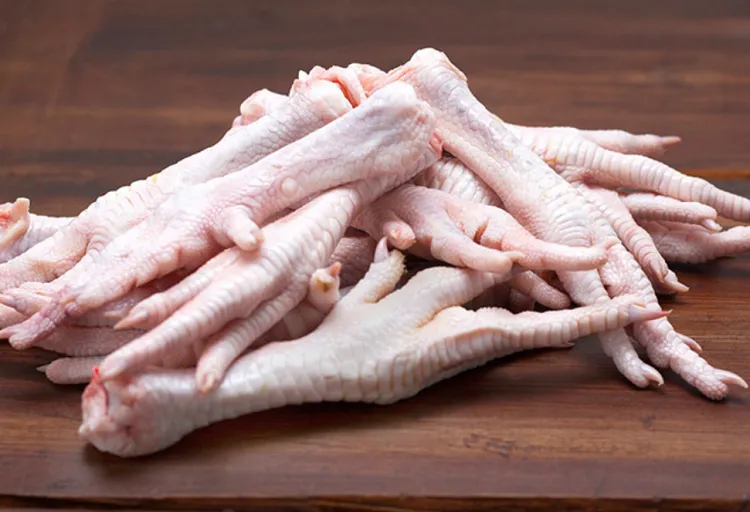
7. The Role of NONADSHOP in Developing Exports
Companies such as **NONADSHOP** can plan to develop Iranian chicken feet exports through international marketing, accurate product presentation, buyer outreach, and supply-chain coordination.
To compete in Malaysia, export proposals should emphasize verifiable quality, transparent pricing, reliable supply capacity, and compliance with applicable regulations.
Any claim regarding halal certification or authorization to export to Malaysia should be supported by valid, verifiable documentation.
## Conclusion
Malaysia’s chicken feet import market may offer Iranian exporters an opportunity to investigate new international business channels. However, successful market entry depends on more than competitive pricing. Approval of the country of origin and production establishment, halal requirements, product quality, frozen transportation, and buyer reliability are also essential.
The most practical starting point for Iranian exporters is to **verify the legal eligibility of Iranian chicken feet for import into Malaysia before assessing prices, competitors, and potential buyers in greater detail**. This approach can help reduce the risk of signing high-risk contracts or shipping consignments whose customs clearance cannot be confirmed.
for more info call us in
nonadshop.com
parvisico.com

بدون دیدگاه