
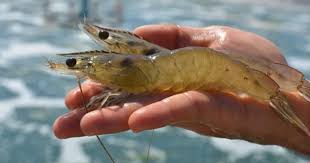
Iran’s Shrimp Export Outlook in 2026 and Golden Opportunities for Traders and Exporters
Executive Summary
Iran’s shrimp industry is on the verge of a historic leap. With a projected production of 60,000 tons in 2026 and a 30% growth in aquatic exports, an exceptional opportunity has been provided for shrimp exporters. This comprehensive report offers a roadmap for entering global markets, up-to-date statistics, popular export destinations, and strategies for winning in international competition.
Keywords: Iran shrimp export, shrimp market 2026, Iran shrimp trade, Iranian shrimp target markets, export to Europe, farmed shrimp Iran, ASC standard, shrimp buyer in Russia, Iran fisheries industry, shrimp processing
Introduction: 2026, the Golden Year of Iranian Shrimp
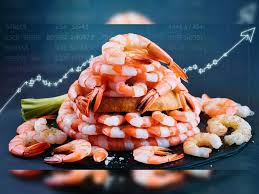
The statistics do not lie. Iran’s shrimp industry has experienced significant growth since 2022, and all indicators point to a turning point in 2026. If you are a shrimp exporter or intend to enter this field, you should know that the window of opportunity this year is more open than ever before. Record-breaking production, new markets, and global demand for a high-quality product have combined to turn Iranian shrimp into a superstar in international trade.
Key Figures and Statistics You Need to Know
Production: The Leap Towards 60,000 Tons
According to the announcement of the Iran Aquatic Products Production and Trade Union, it is predicted that Iran’s shrimp production will reach 60,000 tons in 2026. This figure shows a stunning growth compared to 45,000 tons in the previous year. Hormozgan province continues to be the country’s shrimp production hub, and over 16,000 hectares of shrimp farming ponds are active in the coastal provinces.
Exports: 30% Growth in the Blink of an Eye
Export figures are tempting for any trader. From April to October 2025, Iran exported 243,000 tons of fishery products worth $451 million, which represents a 30% growth compared to the same period last year. In the shrimp sector, the statistics are astonishing:
-
2022: Export of 16,400 tons of shrimp worth $49.7 million
-
2024: Export of 29,400 tons of shrimp worth $97.4 million
This means that in just two years, the export value of Iranian shrimp has nearly doubled. Over 80% of Iran’s produced shrimp finds its way to European and regional markets.
Target Export Markets for Iranian Shrimp
-
European Union; A Destination with High Added Value
The European Union is one of the main buyers of Iranian shrimp. European consumers are looking for a product that is high-quality, sustainable, and meets international standards. The good news is that Iran’s shrimp industry is in the process of obtaining advanced certifications such as ASC (Aquaculture Stewardship Council) for farms, feed factories, and processing units.
-
Russia; A Neighbor with High Appetite
Russia, as one of the traditional destinations for Iranian shrimp exports, remains an important market. Geographical proximity and growing trade relations have made this country an ideal option for exporters.
-
Southeast Asian Countries
Vietnam, China, and Southeast Asian countries are among the traditional buyers of Iranian shrimp. Due to the presence of advanced processing industries, these markets import large volumes of raw shrimp.
-
Persian Gulf Littoral States
The Arab countries of the Persian Gulf are also among the regular customers of Iranian shrimp. High quality and short transportation distance have provided a significant competitive advantage for Iranian exporters.
Strategic Developments in the Shrimp Industry
French Investment in Iran
In an unprecedented development, Iran’s Hormoz Dan company has signed a $20 million contract with two French companies, Crusta’C and Du Ble Au Soleil, for the joint production and export of 1,000 tons of shrimp annually.
This contract, which has led to the formation of the joint holding company Crustapars, brings the entire production chain from larvae to packaging and sales under a single brand.
Advantages of this collaboration model:
-
At least a 15% reduction in the final price
-
Access to the latest shrimp farming technologies
-
Increased bargaining power in international markets
-
Enhancement of final product quality
Modern Infrastructure
Iran’s shrimp industry has made significant progress in infrastructure in recent years:
-
Hatchery Centers: Renovation and updating
-
Feed Factories: Production of export-quality feed
-
Packaging and Processing Units: Equipped with global standards
-
Support Industries: Development of the supply chain
Export Opportunities in 2026
-
Value-Added Products
Exporting raw shrimp is good, but the future lies in processed products. Global markets are looking for products that are ready-to-eat or semi-prepared. Types of exportable forms include:
-
Frozen shrimp
-
Peeled shrimp
-
Cooked & Peeled shrimp
-
Breaded shrimp
-
Canned shrimp
-
International Certifications
Obtaining valid certifications is the key to entering high-end markets. Iran’s shrimp industry is in the early stages of obtaining the ASC standard, which can open new doors to European and North American markets.
-
The Seventh Development Plan
According to the country’s Seventh Development Plan, the goal is to increase aquatic production from the current 1.4 million tons to 1.8 million tons. More than 150 projects related to the aquatic industry, with an investment of $42.5 million, are included in this plan.
Challenges and Solutions
Upcoming Challenges
-
International Sanctions: Banking and transportation limitations
-
Climate Change: Impact on farming conditions
-
Health and Biosecurity Issues: Need for continuous upgrading of standards
Success Strategies for Exporters
-
Development of International Collaborations: Modeling the Iran-France contract to attract capital and technology
-
Obtaining Valid Certifications: ASC, HACCP, ISO, and European Union standards
-
Diversification of Markets: Avoiding over-concentration on a single market and expanding the customer portfolio
-
Brand Development: Creating reputable Iranian brands in global markets
-
Investment in Processing: Moving towards products with higher added value
Transportation and Logistics Methods
For success in shrimp exports, the cold chain is vital. The use of refrigerated containers with a temperature of -18 degrees Celsius for frozen shrimp and compliance with international transportation standards is mandatory.
Future Outlook
Considering the growth in production, improvement of infrastructure, and increasing global demand, the outlook for Iran’s shrimp exports in 2026 and beyond is very bright. The growth rate of the Iranian shrimp market is predicted to reach 7.48% in 2026.
Conclusion for Exporters:
If you are active in Iran’s shrimp industry, 2026 is your year. The 12% growth in Kilka catch alongside the 33% surge in shrimp production indicates an unprecedented dynamism in Iran’s fisheries industry. With careful planning, investment in processing, and obtaining international certifications, you can increase your share of the growing global shrimp market pie.
The markets of Europe, Russia, and Asia are waiting for Iran’s high-quality shrimp. Now is the time to act.
NONADSHOP COMPANY



بدون دیدگاه